
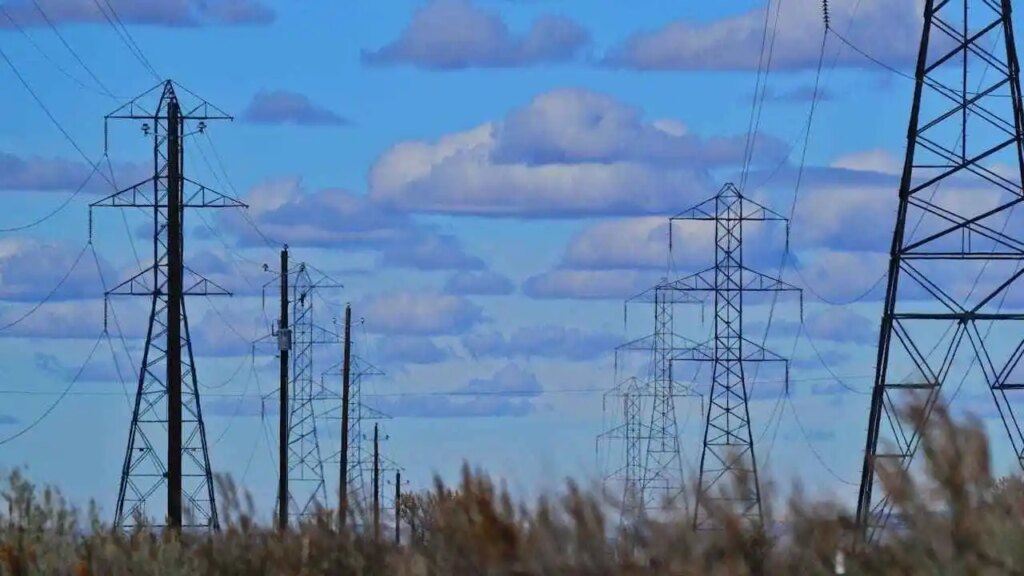
An emergency order has been issued by the Trump administration to mitigate potential blackouts across 13 states as unusually warm temperatures in October place a strain on the electrical grid serving over 60 million Americans. The Department of Energy authorized PJM Interconnection, a regional grid operator, to tap into additional power generation resources during this period of heightened electricity demand coinciding with scheduled maintenance at power plants and transmission facilities. The emergency measures will be in effect from October 10 through October 16, allowing certain generation facilities to exceed normal operation restrictions in order to ensure reliable electricity supplies.
| Article Subheadings |
|---|
| 1) Emergency Order Details |
| 2) PJM Interconnection’s Role |
| 3) Impact on Consumers |
| 4) The Current Energy Crisis |
| 5) Future Grid Investments |
Emergency Order Details
The emergency order was officially issued under Section 202(c) of the Federal Power Act. It grants PJM Interconnection the authority to utilize additional generating resources to maintain sufficient electricity supplies during a time of unusual strain on the grid. The order is effective from Tuesday, October 10, 2023, through Friday, October 16, 2023. With temperatures in the Ohio Valley and Mid-Atlantic regions predicting highs in the 70s and 80s, electricity demand has surged. This demand surge comes as many power generation and transmission facilities are undergoing scheduled maintenance, thereby reducing supply during peak times.
PJM Interconnection’s Role
PJM Interconnection is responsible for managing the electrical grid across parts of 13 states, including notable locations such as Delaware, Illinois, Indiana, Kentucky, Maryland, Michigan, New Jersey, North Carolina, Ohio, Pennsylvania, Tennessee, Virginia, West Virginia, and Washington, D.C. A spokesperson for PJM emphasized that while they do not expect the emergency conditions to disrupt daily life for customers, the combination of rising electricity demand and increasingly unpredictable weather patterns presents significant challenges for maintaining grid reliability. Jeff Shields, a representative for PJM, indicated that electricity demand is evolving faster than new power-generating capacity can be brought online, which poses serious risks to grid stability.
Impact on Consumers
Officials from PJM reassured residents that they are not presently anticipating direct disruptions to everyday consumers. However, the rise in electricity demand—with factors such as global temperatures and atypical seasonal shifts—creates new challenges for grid operators. Shields noted that maintenance periods previously identified as low-risk times are now beginning to show reliability issues previously encountered only during the most demanding summer and winter months. As a result of this emergency order, additional resources will become available to provide backup power if needed, which could ensure that essential services remain uninterrupted.
The Current Energy Crisis
The prevailing energy crisis has drawn attention to energy policies that may have exacerbated the reliability of the electrical grid. Energy Secretary Chris Wright criticized the energy policies under the previous administration (notably those of former President Joe Biden), alleging that restrictions on conventional energy production have weakened the grid’s overall reliability. This analysis highlights a growing concern among policymakers about managing energy in a way that balances environmental objectives with the practicalities of maintaining reliable infrastructure and meeting consumer demand. With the emergency order now in place, an immediate focus on enhancing power generation capabilities is seen as a necessary step to safeguard against potential electricity shortages, especially as demand peaks during unseasonably warm weather.
Future Grid Investments
Aside from the immediate emergency actions, the Department of Energy is engaging in separate initiatives to strengthen the national electrical infrastructure long-term. Recently, the DOE announced investment plans encompassing 84 transmission and distribution projects managed by the Tennessee Valley Authority (TVA) across eight states, representing an approximate investment of $581 million. These projects aim to increase grid capacity by around 2.5 gigawatts, significantly enhance reliability for over 2.58 million households and businesses, and create approximately 800 jobs in the utilities sector. Although this funding is separate from the PJM emergency order and still requires final approvals, it highlights a concerted effort to improve and modernize the nation’s power delivery mechanisms.
| No. | Key Points |
|---|---|
| 1 | An emergency order from the Trump administration aims to prevent blackouts across 13 states due to high electricity demand. |
| 2 | PJM Interconnection has been authorized to utilize additional generation resources during peak demand and maintenance periods. |
| 3 | The emergency order is effective from October 10 to October 16, 2023. |
| 4 | Increased electricity demand, amidst maintenance and unpredictable weather, poses risks to the electrical grid’s reliability. |
| 5 | The DOE is investing in improving national electrical infrastructure with plans for substantial projects and funding initiatives. |
Summary
In light of escalated electricity consumption due to soaring October temperatures, the urgent measures taken to ensure power availability highlight the pressing challenges facing electrical grids in the United States. The proactive stance taken by the Department of Energy and PJM Interconnection is critical not only for protecting consumers and businesses in the short term but also for reinforcing the infrastructure necessary to meet future demands. As climate unpredictability continues to challenge energy management, the focus on enhancing grid reliability through investment could play a pivotal role in securing energy stability for all affected regions.
Frequently Asked Questions
Question: What prompted the emergency order from the Trump administration?
The emergency order was issued due to unseasonably warm October temperatures causing excessive demand on the electrical grid, coupled with scheduled maintenance at power plants.
Question: How long will the emergency measures remain in effect?
The emergency measures will remain in effect from October 10 to October 16, 2023, allowing power generation facilities to operate beyond normal restrictions as needed.
Question: What are the future plans for improving the electrical grid?
The Department of Energy plans to invest approximately $581 million in various transmission and distribution projects aimed at enhancing grid capacity and reliability, as part of a long-term strategy to reinforce infrastructure across multiple states.