
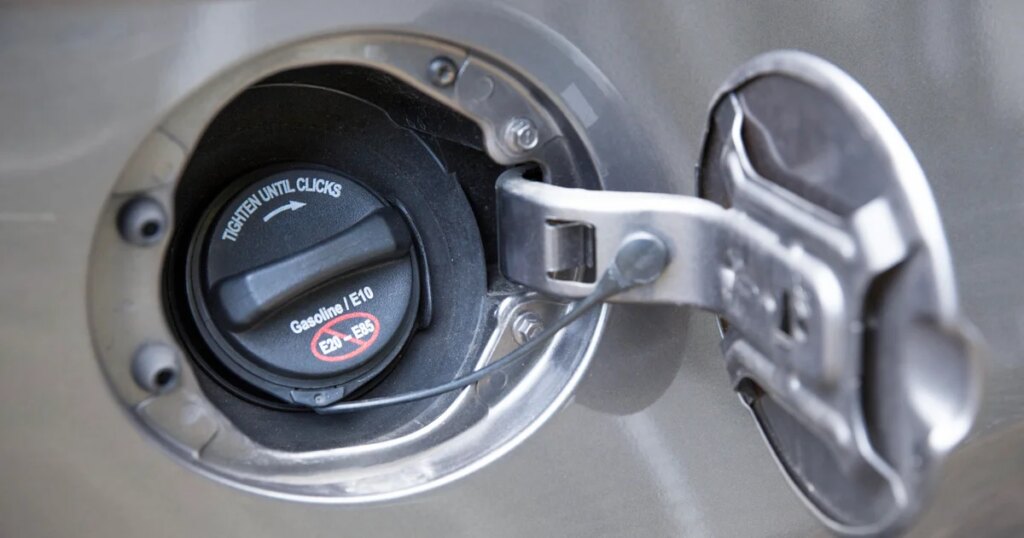
Environmental organizations have initiated legal action against a recent regulatory change by the Trump administration regarding vehicle fuel efficiency standards. This lawsuit emphasizes concerns that relaxing these standards will not only escalate gasoline consumption but also increase costs for consumers at the pump. As the nation faces rising fuel prices, the ramifications of this decision could impact both environmental health and economic factors for drivers across the United States.
| Article Subheadings |
|---|
| 1) Environmental Groups Respond to New Fuel Standards |
| 2) The Details Behind the New Fuel Efficiency Rules |
| 3) Economic Implications of Less Stringent Standards |
| 4) The Historical Context of Fuel Economy Regulations |
| 5) The Legal Challenge Ahead |
Environmental Groups Respond to New Fuel Standards
In a vigorous response to the Trump administration’s recent regulatory rollbacks, several well-known environmental organizations have taken a stand by filing a lawsuit. Among them is the Sierra Club, led by its Clean Transportation for All Director, Katherine Garcia, who articulated the group’s stance against the relaxation of fuel regulations. In a statement, Garcia emphasized that the rollback is “unlawful,” suggesting that it unjustly compels U.S. drivers to spend more on gasoline while simultaneously jeopardizing air quality in communities across the country.
This legal action has garnered support from numerous advocacy groups, including the Center for Biological Diversity’s Climate Law Institute and the Environmental Defense Fund. They argue that such changes could reverse years of progress towards more sustainable vehicular standards, thereby exacerbating climate change and impacting public health significantly. Their stance underscores a growing sense of urgency among environmentalists to protect the planet amidst rapid legislative changes.
The Details Behind the New Fuel Efficiency Rules
The regulations at the heart of this lawsuit represent a significant shift from the previous standards implemented under the Biden administration. The Trump administration announced revised Corporate Average Fuel Economy (CAFE) standards that require automakers to achieve a fleetwide average of only 34.9 miles per gallon by 2031, a substantial drop from the earlier target of 50.4 miles per gallon. This change signifies a rollback in gas mileage improvement requirements, a trend that environmental advocates argue will facilitate increased greenhouse gas emissions.
According to a statement from the Department of Transportation, this move was presented as a means to lower the upfront costs for consumers, estimating a reduction of about $1,300 on new vehicles. Transportation Secretary Sean Duffy supported these changes by stating that automakers would have more freedom in manufacturing choices and relief from what he termed an “illegal mandate” that pressured them to produce electric vehicles—an assertion that many environmentalists dispute.
Economic Implications of Less Stringent Standards
The economic effects of lenient fuel efficiency regulations have raised significant concern among consumer advocacy groups. Figures indicate that the average price for a gallon of gasoline reached $4.40 recently, a stark increase from $3.16 the previous year. This trend may be compounded if the relaxation of efficiency standards leads to higher fuel consumption, further driving up costs for American motorists. Advocates for consumer rights, such as Robert Weissman from Public Citizen, predict that the lack of stringent efficiency standards translates to less efficient vehicles that ultimately cost consumers more over time.
Beyond the pump, the implications extend to broader economic factors, including the potential increase in demand for oil and gas, which could affect global markets. States heavily dependent on automobile transportation may feel the burden as consumers grapple with rising living costs. Critics argue that drivers need access to vehicles that provide better fuel efficiency, emphasizing the link between vehicle performance, environmental effect, and economic repercussions.
The Historical Context of Fuel Economy Regulations
Fuel economy standards have been in place since the energy crisis of the 1970s, aimed at reducing reliance on foreign oil and diminishing environmental impact. Overtime, these regulations have led to a general increase in vehicle efficiency, contributing significantly to lower greenhouse gas emissions. The Environmental Protection Agency (EPA) highlights that a typical passenger vehicle emits approximately 4.6 metric tons of carbon dioxide yearly, a major contributor to climate change.
Moreover, data from 2022 revealed that the transportation sector constituted approximately 28% of U.S. greenhouse gas emissions. This historical context underscores the importance of maintaining rigorous fuel standards to combat climate change effectively and enhance public health by reducing pollutants that contribute to smog and respiratory issues.
The Legal Challenge Ahead
The environmental groups have filed their lawsuit in the U.S. Court of Appeals challenging the changes initiated by the Department of Transportation and the National Highway Traffic Safety Administration. As the legal proceedings unfold, this case could set significant precedents regarding the future of environmental policy and automotive regulations in the United States. The lawsuit represents a broader fight against perceived environmental injustices and calls for accountability from governmental entities when it comes to regulatory actions that affect public welfare and the future of the planet.
The Department of Transportation and the National Highway Traffic Safety Administration have yet to respond to inquiries concerning the lawsuit, intensifying anticipation regarding their defense. Legal experts suggest that the outcome could impact not only fuel efficiency standards but also the Trump administration’s broader agenda concerning environmental policy.
| No. | Key Points |
|---|---|
| 1 | Environmental groups have filed a lawsuit against the Trump administration, protesting changes to vehicle fuel efficiency standards. |
| 2 | The new standards require an average of 34.9 miles per gallon by 2031, significantly lower than previous targets. |
| 3 | Advocacy groups argue that these changes will lead to increased fuel consumption and higher prices for consumers at the pump. |
| 4 | The historical context reveals that fuel standards have been critical in reducing greenhouse gas emissions since the 1970s. |
| 5 | Ongoing legal challenges present a significant opportunity to reassess environmental policy and hold the government accountable. |
Summary
In conclusion, the recent lawsuit by environmental groups against the Trump administration’s changes to vehicle fuel efficiency standards highlights critical concerns regarding environmental justice and consumer welfare. As the ramifications of these changes unfold, the outcome of this litigation could have profound implications for the automotive industry and the larger fight against climate change in the United States.
Frequently Asked Questions
Question: What are the new fuel efficiency standards announced by the Trump administration?
The new standards require automakers to achieve a fleetwide average of 34.9 miles per gallon by 2031, which is a decrease from the previous requirement of 50.4 miles per gallon under the Biden administration.
Question: Why are environmental groups challenging these new standards?
Environmental groups argue that the relaxation of fuel efficiency standards will lead to increased gasoline consumption and contribute to higher greenhouse gas emissions, exacerbating climate change and degrading public health.
Question: What are the potential economic impacts of the new fuel economy rules?
The changes could result in higher gasoline prices for consumers, raise overall expenditures on fuel, and hinder the availability of more fuel-efficient vehicle options in the market.