
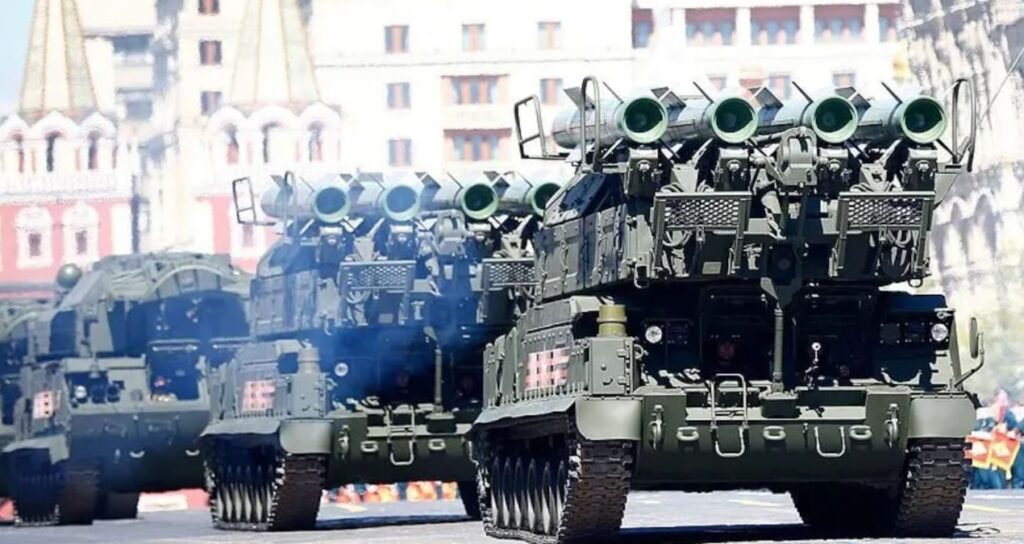
Amid ongoing hostilities between Russia and Ukraine, tensions are escalating between Moscow and NATO. Russian officials have expressed concerns over NATO’s military operations near Russian borders, particularly in the Arctic region, claiming it poses a direct threat to Russian security. Spokesperson for the Russian Foreign Ministry, Mariya Zakharova, emphasized that Russia is prepared to utilize “all military-technical means” to counter any perceived threats emergent from NATO’s activities.
| Article Subheadings |
|---|
| 1) NATO’s Military Presence and Its Implications |
| 2) Russia’s Response to NATO Activities |
| 3) Targeting Ukraine: Allegations Against President Zelenskiy |
| 4) The Black Sea Grain Corridor Agreement |
| 5) The Geopolitical Landscape in the Arctic |
NATO’s Military Presence and Its Implications
In recent statements made by Mariya Zakharova at a press conference in Syktyvkar, it was underlined that NATO’s increasing military activities near Russian borders are perceived by Moscow as a significant threat. With heightened military capacity and strategic deployments, NATO’s maneuvers in the north and Arctic regions have ignited concerns in Russia—a country that views itself as the dominant power in the region.
The military build-up is not only seen as a deterrence measure but rather as preparation for a long-term conflict with Russia, according to Zakharova. This shift in NATO’s strategy reflects escalating tensions and a profound geopolitical struggle, particularly in the Arctic, where access to valuable resources and strategic positioning is key. The region has increasingly become a focal point for NATO and Russia, merging military readiness with national security concerns as both sides vie for influence.
Russia’s Response to NATO Activities
Responding to NATO’s assertive military posture, Zakharova noted that Russia is engaged in rigorous military preparations, indicating an arms race in the northern territories. As she pointed out, NATO’s plans constitute a significant departure from limited deterrence strategies, indicating a transition toward a preparation for a protracted conflict. This comprehensive military readiness suggests that Russia intends to secure its borders and assert its influence in the face of perceived threats.
Moreover, Russia’s response is multifaceted, involving large-scale military exercises and restructuring its military capabilities. Zakharova articulated that Moscow remains vigilant and is ready to deploy all necessary military-technical means to eliminate threats. The rhetoric around NATO’s aggressive tactics has intensified fears of confrontations, underlining the need for both diplomacy and military readiness in this geopolitical landscape.
Targeting Ukraine: Allegations Against President Zelenskiy
In her remarks, Zakharova also shifted focus towards Ukrainian President Volodymyr Zelenskiy. She criticized his statements regarding civil aviation and designated them as “blackmail and legitimization of air terrorism at the state level.” This characterization indicates Russia’s strategy to undermine Zelenskiy’s credibility and portray Ukrainian leadership as reckless in its support from NATO and Western allies.
By crafting the narrative that Zelenskiy is complicit in promoting air terror, Zakharova’s comments aim to sway public opinion against Ukraine’s government. In mentioning the alleged complicity of countries supporting Ukraine, she reinforced Russia’s longstanding argument that Western intervention in regional conflicts only exacerbates tensions, indicating a coordinated strategy to delegitimize Kyiv’s response to ongoing military threats from Russia.
The Black Sea Grain Corridor Agreement
The conversation about military tensions inevitably leads to discussions about economic repercussions, as seen in Zakharova’s remarks concerning the Black Sea Grain Corridor Agreement. She reiterated Russian Foreign Minister Sergey Lavrov‘s statement declaring a return to this agreement as unacceptable, underscoring Russia’s stance on agricultural exports amidst conflict.
Zakharova elaborated that the initial framework of the agreement favored Western nations while limiting Russia’s advantages, labeling the lack of reciprocity in the deal as problematic. This sentiment reflects the complex intertwining of military and economic strategies in geopolitics, revealing how diplomatic agreements can serve military agendas and vice versa. Hence, the implications of the grain corridor are multifaceted, affecting food security, economy, and regional stability.
The Geopolitical Landscape in the Arctic
Finally, the geopolitical dynamics in the Arctic cannot be overlooked. As nations hunt for dominance, Zakharova’s comments underscore the transition of the Arctic into a battlefield of interests between Russia and the West, with NATO as the frontline entity in this contest. The region is vital not only for its natural resources but also for its emerging navigation routes that are becoming increasingly significant due to climate changes.
Given these shifts, Russia’s strategic partnerships and operational readiness in the Arctic highlight a broader discussion on sovereignty and influence in an evolving global landscape. As tensions flare, the continued military investments and the push for resource control signify that the Arctic will remain a contentious arena for international relations.
| No. | Key Points |
|---|---|
| 1 | Russia expresses deep concerns over NATO’s growing military presence near its borders. |
| 2 | Mariya Zakharova claims that NATO is preparing for a long-term conflict with Russia. |
| 3 | Accusations against Ukraine’s President Zelenskiy are positioned as efforts to undermine his authority. |
| 4 | Russia dismisses the viability of the Black Sea Grain Corridor Agreement, citing Western bias. |
| 5 | The Arctic is framed as an emerging battleground for competing geopolitical interests. |
Summary
In summary, the current state of affairs among Russia, NATO, and Ukraine illustrates the complexity of relationships in an ever-volatile geopolitical landscape. As military preparations intensify and allegations fly, the potential for conflict remains a significant concern for regional stability. The Arctic and Eastern Europe not only represent zones of competition for resources but also serve as flashpoints where military readiness and economic strategies converge. The statements from Russian officials indicate an unwavering commitment to counter perceived threats, ensuring that the tension in this global arena may endure, shaping international relations moving forward.
Frequently Asked Questions
Question: What actions is Russia taking in response to NATO’s military presence?
Russia is conducting intensive military preparations near its northern borders, which include large-scale exercises and restructuring within its military framework to mitigate perceived threats from NATO.
Question: How does Russia view the Black Sea Grain Corridor Agreement?
Russia sees the Black Sea Grain Corridor Agreement as biased, asserting that it favors Western nations while limiting Russia’s ability to benefit, and it has declared a return to the agreement unacceptable.
Question: What implications does the escalating conflict have for Ukraine?
The situation places Ukraine in a precarious position, with intensified scrutiny of its leadership and growing military threats, compounded by complex international reactions to its conflict with Russia.