
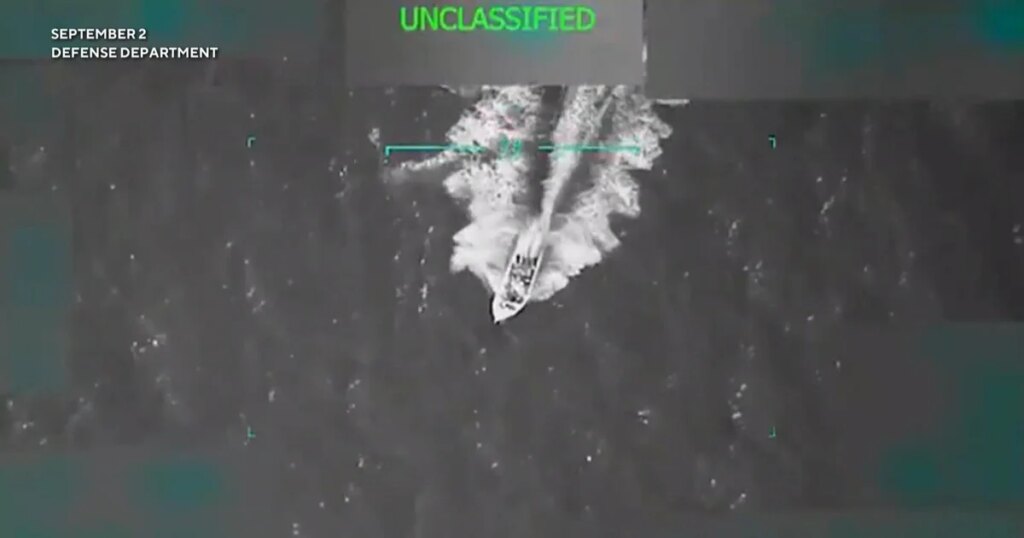
In early September, the U.S. military conducted a controversial strike on a Venezuelan vessel suspected of drug trafficking. This military action, which allegedly resulted in multiple fatalities, has drawn intense scrutiny from lawmakers and public figures across the political spectrum. The incident raises significant questions regarding legality and military ethics, particularly concerning reports that survivors were targeted in a follow-up strike.
| Article Subheadings |
|---|
| 1) Overview of the Strike on the Venezuelan Drug Boat |
| 2) Timeline of Events: From Initial Strike to Fallout |
| 3) Legal Implications of Follow-Up Attacks |
| 4) Government and Congressional Reactions |
| 5) Future of U.S. Military Engagement in Drug Interdiction |
Overview of the Strike on the Venezuelan Drug Boat
On September 2, the U.S. military targeted an alleged drug-carrying vessel off the coast of Venezuela. Reports emerged shortly after the strike, detailing multiple fatalities among supposed members of the Tren de Aragua, a gang categorized as a terrorist organization by U.S. officials. The operation intended to curb the narcotics trade from South America into the United States, but it quickly drew allegations of potential war crimes due to reports that survivors of the initial strike were targeted in a subsequent attack.
Timeline of Events: From Initial Strike to Fallout
The timeline of events surrounding the September 2 strike is crucial to understanding the complexities of the situation. Following the attack, President Donald Trump claimed that the operation successfully neutralized drug traffickers, stating that the U.S. “literally shot out a boat.” On September 3, Defense Secretary Pete Hegseth reinforced this narrative, claiming he witnessed the strike live and confirming the military’s awareness of those on board. However, by September 11, reports indicated that the vessel may have been retreating at the time it was hit, further complicating the military’s justification.
Legal Implications of Follow-Up Attacks
The legality of military action is central to the ongoing debate. According to a Pentagon manual on the laws of war, those who are “wounded, sick, or shipwrecked” should not be targeted as they no longer pose a threat. The September follow-up strike that allegedly killed survivors has prompted calls for investigations, with some lawmakers suggesting it could constitute a war crime. Critics assert that robust legal frameworks currently govern military engagement, and any deviation from these norms must be scrutinized.
Government and Congressional Reactions
In the aftermath of the strike, both Democratic and Republican lawmakers expressed concerns about its legality. Senator Tim Kaine stated on national television that the follow-up strike “may rise to the level of a war crime.” Statements from members of the Senate Armed Services Committee indicated a commitment to conducting thorough investigations into the incident’s circumstances, emphasizing the need for accountability and transparency regarding military actions that can result in loss of life.
Future of U.S. Military Engagement in Drug Interdiction
The implications of these actions could resonate beyond this particular incident. With over 20 boats targeted between early September and mid-November, the U.S. military’s ongoing engagement in drug interdiction in Latin America raises critical questions about operational scope and ethics. As the U.S navigates complex geopolitical waters, it is likely that the operational decisions made during this period will prompt significant policy discussions regarding the balance between national security interests and adherence to international law.
| No. | Key Points |
|---|---|
| 1 | The U.S. military’s September 2 strike against a Venezuelan drug boat has garnered scrutiny for possibly violating laws of armed conflict. |
| 2 | Reports suggest that the initial strike may have left survivors, which were later targeted in a follow-up strike. |
| 3 | Key political figures from both parties have called for investigations into the legality of the strikes. |
| 4 | Military officials argue that the actions taken were necessary to protect national interests and curb the drugs entering the U.S. |
| 5 | The situation raises broader questions about the future of U.S. military involvement in drug interdiction operations in Latin America. |
Summary
The controversy surrounding the U.S. military’s September strikes against a Venezuelan drug boat highlights the intricate legal and ethical challenges present in modern military interventions. With rising bipartisan concern over the actions taken and the implications for future military strategy against drug trafficking, this incident could signal a crucial moment for reassessing U.S. military engagement in Latin America. The ongoing investigations will likely shed more light on how these complex operations align with established international laws and standards governing armed conflict.
Frequently Asked Questions
Question: What prompted the U.S. military strike on the Venezuelan vessel?
The U.S. military strike was prompted by an assertion from officials that the vessel was transporting drugs, which presented a threat to U.S. national security and interests.
Question: What are the potential legal consequences of the follow-up strike?
The follow-up strike, which allegedly targeted survivors of the initial attack, could be classified as a war crime under international law, especially if it is determined that those on board the vessel were no longer a threat.
Question: How has Congress reacted to the strikes?
Congress has reacted with significant concern, with both Democratic and Republican members demanding investigations to assess the legality and ethical implications of the strikes.