
In the rapidly evolving car market in China, electric vehicles are paving their way to dominance. Recent data reveals significant shifts in consumer preferences, with certain brands standing out based on sales figures. Prominent names such as Geely and Tesla are leading the charge, showcasing the thriving competition among electric vehicle manufacturers, while traditional automakers are struggling to maintain their foothold in this competitive landscape.
| Article Subheadings |
|---|
| 1) Geely ranks first |
| 2) Tesla keeps selling |
| 3) BYD barely makes top 5 |
| 4) VW holds on |
| 5) Electric dominates |
Geely ranks first
Chinese automaker Geely has taken the lead in the country’s car sales. In the first half of 2026, Geely’s Xingyuan electric hatchback emerged as the top-selling model, with sales numbers nearing 197,500 units. This staggering figure highlights the growing consumer preference for electric vehicles amid China’s ongoing push towards sustainable transportation. The vehicle is priced at just under 100,000 yuan (approximately $14,820), making it an affordable option for the average consumer.
By positioning itself as a strong competitor against other brands, Geely has seen a rise in popularity. It ranks second overall in sales within the Chinese market, thanks to a diverse lineup that includes both electric and traditional gasoline-powered models. The company, based in Hangzhou, has effectively diversified its offerings, including the premium brand Zeekr that focuses on electric vehicles, thus catering to various consumer segments.
Tesla keeps selling
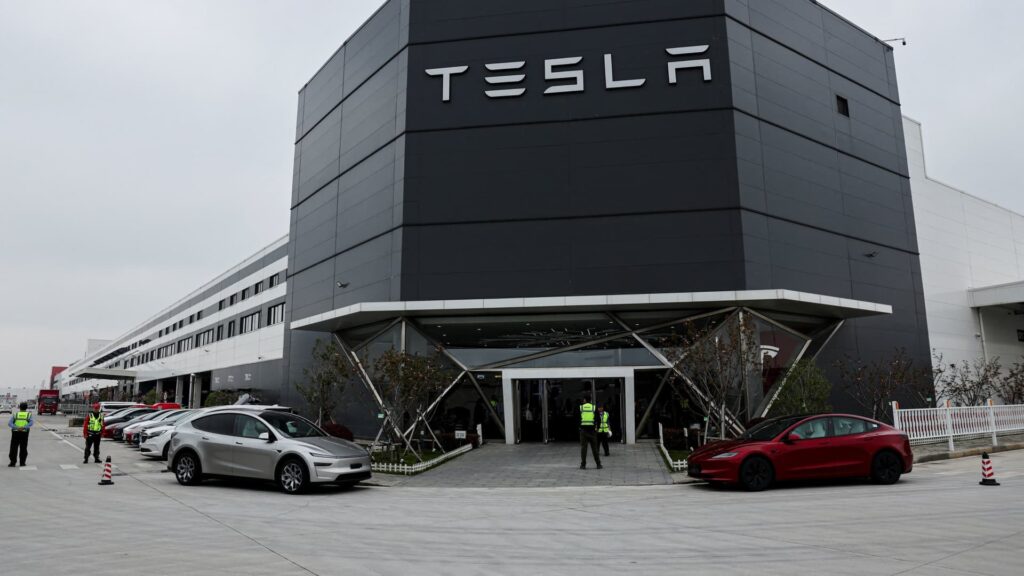
On the global front, American manufacturer Tesla continues to register impressive sales figures. The Model Y, within the electric SUV category, has claimed the second spot in the list of best-selling vehicles, with over 180,000 units sold. Despite its higher price tag, ranging from 263,500 to 313,500 yuan, Tesla has successfully captured consumer interest, outperforming competitors like Li Auto and Xiaomi.
Tesla’s sustained success in China can be attributed to its reputation for innovation and superior technology. The CEO of Tesla has often emphasized the importance of local production and market adaptation, which enhances consumer trust. Furthermore, with multiple production facilities in China, Tesla has been able to streamline costs and improve delivery times, further solidifying its presence in this competitive market.
BYD barely makes top 5
Although BYD has historically been a leader in the electric vehicle segment, recent developments indicate a potential downturn in its sales performance. The company secured three spots among the ten best-selling cars, but its most popular model, the modestly priced Yuan UP SUV, only managed to claim fifth place with nearly 97,700 units sold during the same six-month period. This represents a decline in the market standing of BYD, which has been a significant player in the electric vehicle sector.
Compounding the issue, BYD reported a more than 10% drop in passenger vehicle sales in the first half of 2026. Analysts have speculated that this decline may result from increasing competition from new entrants and established players in the electric vehicle market. The company, which also sells a range of gasoline-powered cars, is now facing pressure to innovate further and regain its footing in this fiercely competitive environment.
VW holds on
In the midst of this upheaval, Volkswagen (VW) has managed to maintain a presence in the top ten best-selling vehicles in China. The German automaker’s Lavida, a compact gasoline-powered vehicle, landed in the ninth position, narrowly wedged between two electric SUVs: Leapmotor’s A10 and Geely’s gasoline-powered Boyue L SUV.
VW’s ability to remain relevant in the evolving market can be largely attributed to its longstanding brand legacy and its focus on adapting its models to meet local tastes. Despite the dominance of electric vehicles, VW has been exploring options to introduce hybrid and fully electric models, aiming to pivot its strategy to align with the changing consumer preferences and regulatory environments in China.
Electric dominates
According to the latest data released by the China Passenger Car Association, new energy vehicles—including battery electric and hybrid options—constituted an astonishing 65.1% of all new passenger cars sold in July 2026, marking a solid increase from 54% the previous year. This remarkable growth underscores the shifting landscape and the increasing acceptance of electric vehicles among consumers.
However, the numbers also tell a more complex story: despite the surge in electric vehicle sales in July, the overall car sales for the year reflected a notable drop of 20.3%, with new energy vehicle sales experiencing a decrease of 12.5%. This paradox highlights the challenges that the industry faces, including market saturation among electric vehicles and the necessity for manufacturers to continuously innovate to maintain consumer interest and drive further adoption.
| No. | Key Points |
|---|---|
| 1 | Geely’s Xingyuan electric hatchback has sold nearly 197,500 units, making it the top-selling car in China. |
| 2 | Tesla’s Model Y continues to maintain strong sales in China, with over 180,000 units sold. |
| 3 | BYD’s sales have seen a decline, with its most popular SUV only coming in fifth place. |
| 4 | Volkswagen managed to keep its position in the market, holding onto a spot in the top ten with its Lavida model. |
| 5 | Electric vehicles constitute over 65% of new passenger cars sold in July 2026, although total sales still declined. |
Summary
The current trends in the Chinese car market indicate a strong shift towards electric vehicles, with Geely and Tesla leading sales despite increasing competition. While traditional automakers like Volkswagen retain some market share, brands such as BYD are facing challenges in maintaining their positions. The data suggests that while consumer adoption of electric vehicles is rising, the overall market remains volatile, reflecting both opportunity and challenges for manufacturers. The next few months will be crucial for these companies as they adapt to the changing landscape.
Frequently Asked Questions
Question: What are the primary factors driving the growth of electric vehicles in China?
The growth of electric vehicles in China is fueled by government incentives, increasing consumer awareness of environmental issues, and the rapid advancement of technology in battery manufacturing and electric drive systems.
Question: How does Tesla’s pricing compare to its competitors in the electric vehicle market?
Tesla’s pricing tends to be higher than many of its competitors in the electric vehicle market, but consumers often justify the cost due to the brand’s reputation for quality, innovation, and performance.
Question: What may be affecting the sales performance of BYD in recent months?
BYD’s recent sales performance may be impacted by intensified competition, market saturation, and the need for ongoing innovation to meet evolving consumer preferences in electric vehicle technology.