
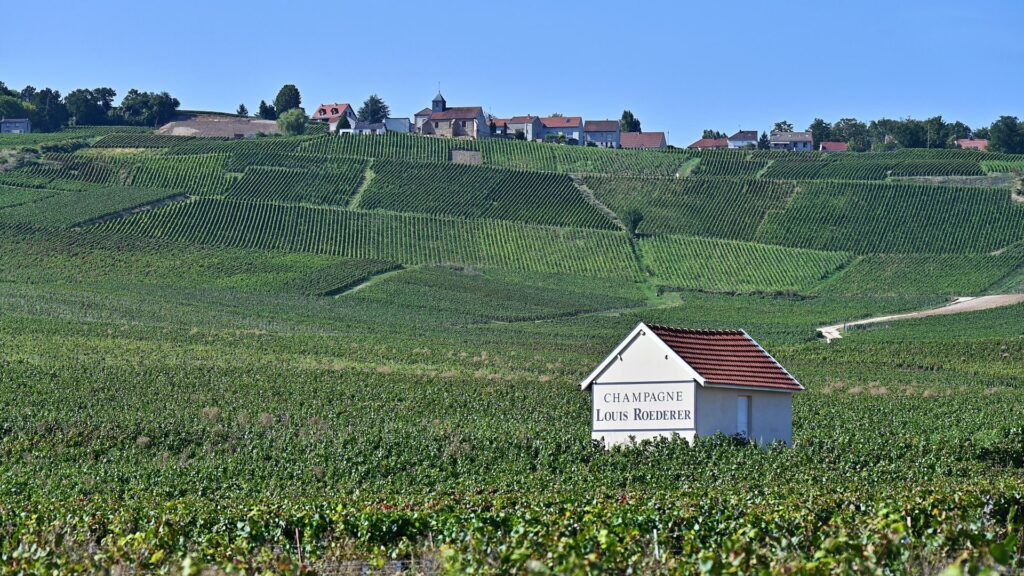
The Champagne harvest in north-eastern France for 2025 is anticipated to be recorded as one of the earliest yet, attributed primarily to increasingly high summer temperatures. Winemakers are faced with the challenge of a declining yield, a drop in consumer demand, and the potential loss of the signature taste that defines this sparkling wine. This year, the Champagne season officially commenced around August 15, with the bulk of grape harvesting expected from August 20 to 25, marking a significant deviation from traditional September or October timelines.
| Article Subheadings |
|---|
| 1) Early Harvest Speeds Up Due to Climate Change |
| 2) Challenges Facing Winemakers in the Region |
| 3) Adaptation Strategies Among Growers |
| 4) Perspectives from the English Wine Industry |
| 5) Future of Champagne: Innovation and Resilience |
Early Harvest Speeds Up Due to Climate Change
The Champagne harvest season officially commenced this year on August 15, with the majority of growers anticipating a peak picking period from August 20 to 25. This timeline represents a notable shift compared to traditional harvesting months, which typically fell in September or October until the early 2000s. The dramatic change is largely linked to escalating summer temperatures caused by climate change, which has accelerated the ripening of grapes. This year’s harvest could potentially set a record as the earliest on record.
The ripening process has become increasingly rapid, resulting in higher sugar levels in grapes sooner than before. Despite a notable increase in sugar content, winemakers must balance this with the alcohol and acidity levels essential to producing high-quality Champagne, known for its elegance and finesse. Such compromises in picking time directly threaten the distinct characteristics that define this iconic beverage.
Challenges Facing Winemakers in the Region
In addition to earlier harvests, winemakers in this region are grappling with multiple challenges that jeopardize their operations and the quality of their output. A combination of factors like declining consumer demand for sparkling wines, coupled with rising costs of labor and materials, creates substantial hurdles for producers. Furthermore, the Champagne industry faces external threats such as droughts, unpredictable weather events, and geopolitical fluctuations, including tariffs impacting exports to the United States, the largest market for Champagne.
Officials from trade associations note that a reduction in vineyard yield is a strategic measure taken to ensure quality amidst these trying circumstances. Such reductions are essential for maintaining high standards and preserving the heritage of Champagne, which is deeply embedded within the region’s culture and economy.
Adaptation Strategies Among Growers
In response to the evolving climate and market demands, Champagne growers are employing innovative techniques to adapt to the changing landscape. These methods include developing insect-proof greenhouses and exploring new grape varieties more resilient to environmental challenges. A trade representative mentioned that the Comité Champagne is investing in a research and development center aimed at discovering additional protective measures and solutions for grape clusters.
Furthermore, some producers are contemplating the relocation of vineyards to more favorable climates, while others experiment with alternative irrigation methods. However, it’s important to note that regulations governing Champagne production restrict several actions, such as irrigating mature vines, preserving the appellation’s integrity.
Perspectives from the English Wine Industry
Interestingly, the earlier harvest trend is also mirrored across the English wine industry, which is still in its formative phase but has shown substantial growth. With approximately 16.5 million bottles produced last year, the sector reported a remarkable 55% increase in exports. Fergus Elias, director of wine at Balfour Winery in Suffolk, reflected on the rapid evolution of wine growing in England, noting that harvests that once started in early October are now possible much earlier due to climate change.
This adaptation is creating excitement among English producers, who are now experimenting with grape varieties suitable for their unique soil, comparable to that of Champagne. Even established French producers are beginning to invest in English vineyards, demonstrating a willingness to embrace new opportunities borne from changing climate conditions.
Future of Champagne: Innovation and Resilience
Looking ahead, many in the Champagne industry remain optimistic about its resilience amid challenges. Linda Johnson-Bell, founder of the Wine & Climate Change Institute, expressed confidence in the adaptability of the Champenois, indicating that the industry has been addressing these challenges for decades. Producers are committed to sustaining the quality and reputation of Champagne, investing in innovations and strategies to safeguard its future.
Industry experts suggest that the ongoing adjustments in viticulture and production techniques will not only uphold but could potentially enhance the legacy of Champagne. As producers continue to navigate the complexities brought about by climate change, the dedication to quality and tradition remains a hallmark of the Champagne industry.
| No. | Key Points |
|---|---|
| 1 | The Champagne harvest for 2025 is expected to be the earliest on record, starting August 15. |
| 2 | High summer temperatures are accelerating the grape ripening process, impacting the quality and taste of the wine. |
| 3 | Challenges such as environmental threats and rising costs are forcing producers to adapt, including reducing vineyard yields. |
| 4 | The English wine industry is benefiting from changing climates, producing more wines and attracting attention from French producers. |
| 5 | Champagne producers remain optimistic about the future, focusing on innovation while maintaining quality standards. |
Summary
The Champagne harvest of 2025 marks a significant moment in the wine industry due to its unprecedented timing and the challenges presented by climate change. While the early harvest offers an opportunity for some producers to explore new techniques and partake in a potentially fruitful market, it also poses considerable risks to the traditional identity of Champagne, which is at the core of its value. As the industry navigates these evolving dynamics, the commitment to quality, tradition, and innovation will be vital in securing the future of this iconic sparkling wine.
Frequently Asked Questions
Question: What factors are causing the Champagne harvest to start earlier?
Increasing summer temperatures attributed to climate change have accelerated the grape ripening process, leading to earlier harvest times.
Question: How are winemakers in Champagne adapting to current challenges?
Winemakers are employing innovative techniques, such as insect-proof greenhouses and new grape varieties, while also reducing vineyard yields to maintain quality.
Question: Is the English wine industry experiencing similar trends, and how?
Yes, the English wine industry is also observing earlier harvests due to climate change, with expansion and increased exports as a response to evolving growing conditions.