
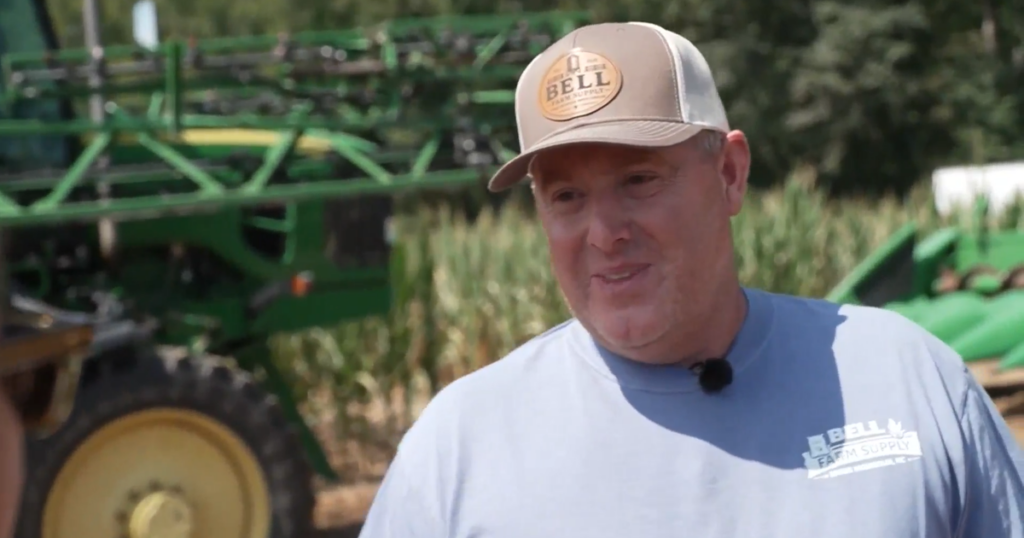
In the heart of North Carolina, farmer Matt Bell is grappling with unprecedented operational challenges amidst rising costs related to fuel, fertilizer, and equipment. After 34 years of dedicated farming—cultivating soybeans, corn, wheat, and raising beef cattle on over 1,000 acres—Bell finds himself at a crossroads as soaring prices and changing economic conditions prompt critical reevaluations of his farming practices. With the impending end of the growing season, many in the agricultural community are starting to entertain the daunting prospect of quitting farming altogether.
| Article Subheadings |
|---|
| 1) Rising Diesel Prices and Operational Reality |
| 2) Impact of Tariffs on Agricultural Costs |
| 3) A Shift in Political Support and Expectations |
| 4) The Struggle for Survival in Farming |
| 5) Future Perspectives and Concerns |
Rising Diesel Prices and Operational Reality
For farmers, fuel is not just a regular expense; it is a fundamental element required for the operation of their agricultural machinery. For Matt Bell, the price of diesel fuel has effectively doubled from last year, soaring to painful averages nationwide. According to AAA, diesel prices recently averaged about $6.40 per gallon, with North Carolina experiencing its peak at $6.19. The root causes for these surges trace back to geopolitical conflicts and supply chain disruptions. The ongoing military tensions in the Middle East and the intricate dynamics involving Russia and Ukraine have further complicated oil supply and refining capabilities.
Bell explains that the volatility of fuel prices means that the quote he receives from his distributor may only be valid for hours. His farming operations rely heavily on diesel, requiring approximately $600 worth per day for his combine alone. The cumulative cost has prompted him to exceed his fuel budget, projecting expenses that could reach between $50,000 and $60,000 over the entire year—strikingly higher than the original allocation of $35,000.
Impact of Tariffs on Agricultural Costs
The economic pressures are compounded by tariff policies introduced during President Trump‘s administration, further increasing the operating costs associated with farming. Matt Bell voiced concern over the impact of these tariffs, which have driven up prices across the board—from fertilizers to seeds and equipment. According to Bell, “Everything we’re touching… has gone up,” indicating a widespread recognition within the farming community that rising production costs threaten their viability.
While the agreement for China to purchase American soybeans through 2028 had provided a glimmer of hope, the situation has not improved as the retaliatory 10% tariff on U.S. soybeans lingers. These tariffs are stifling potential profits and leading to a market environment filled with uncertainty. In a recent letter addressed to former President Trump, the American Soybean Association urged action to alleviate this burden, emphasizing the need for the elimination of these punitive tariffs to stabilize the agricultural sector.
A Shift in Political Support and Expectations
Initially, Matt Bell had shown solid support for the policies of President Trump, anticipating that the upheaval in prices was a necessary evil for long-term security and stability. However, as time has passed and conditions worsen, he has expressed a sense of disillusionment with the effectiveness of these policies. The ongoing challenges presented by high operational costs make Bell question whether the administration’s focus on agriculture has truly emerged as a priority.
Bell articulated his frustrations, stating, “We were sold a bill of goods that agriculture was going to be on the forefront.” His current sentiment reflects a broader concern among farmers who feel neglected as they grapple with rising expenses and diminished support. As the election draws closer, Bell has signaled a shift in potential voting behavior, expressing a desire to support candidates who prioritize the voices of farmers and address their grievances urgently.
The Struggle for Survival in Farming
The stress and uncertainty in the farming sector have reached a breaking point for Matt Bell and his contemporaries. Many farmers are contemplating the future viability of their enterprises as countless producers face the prospect of exiting the industry altogether. Bell emphasizes the critical nature of this struggle, arguing, “We are fighting for survival, and we’re running out of options.” He recounts stories of colleagues forced out of business due to crippling costs, highlighting the profound emotional and economic toll on those who dedicate their lives to agriculture.
While stating that such outcomes may be inescapable, he maintains that the dignity and pride inherent in farming is invaluable. Despite contending that money isn’t his primary concern, Bell feels that the current economic landscape is fundamentally untenable. Unpredictable market conditions continue to threaten their way of life, prompting many to wonder if they can continue to sustain their farms in this environment.
Future Perspectives and Concerns
As Matt Bell looks towards the horizon, he confronts a future rife with uncertainty. Having devoted more than three decades to farming, he has built not just a business, but a legacy he holds dearly. The thought of having to abandon this — of not knowing what he would do outside of farming — weighs heavily on his mind as he considers the approaching end of the growing season. “I don’t know. It’s all I’ve ever done,” he admits, reflecting a deep-rooted bond with the land and lifestyle that shapes his being.
As farmers nationwide confront similar challenges, the collective voice of the agricultural community is becoming increasingly urgent. There is a strong call for a renewed commitment to support and cultivate key policies that serve their needs. The intersection of costs, tariffs, and political support represents a critical junction for American farmers, as many, like Bell, fight to maintain the traditions and values sewn into the fabric of rural America.
| No. | Key Points |
|---|---|
| 1 | Diesel prices have doubled, costing farmers significantly more to operate their equipment. |
| 2 | Tariff policies have exacerbated operational costs for farmers, affecting the pricing of critical agricultural inputs. |
| 3 | Many farmers, including Bell, are reconsidering political alliances due to perceived failures in addressing their economic challenges. |
| 4 | The farming community is facing existential threats as rising costs pressure many producers to exit the industry. |
| 5 | There is a growing call for renewed political focus and support for agriculture to ensure its future viability. |
Summary
The current economic circumstances in agriculture, highlighted by the crises faced by farmers like Matt Bell, underscore the urgent need for effective policy changes and support. The convergence of rising operational costs fueled by geopolitical tensions, tariff implications, and fluctuating fuel prices creates a precarious environment for farmers. As these individuals work to maintain their agricultural heritage, the overarching theme is one of fighting for survival and seeking necessary changes to ensure their industry’s sustainability.
Frequently Asked Questions
Question: How have fuel prices affected farmers like Matt Bell?
Fuel prices have risen sharply, with diesel nearly doubling in cost over the previous year. This increase has drastically inflated operational costs for farmers, making it challenging to sustain profitable farming practices.
Question: What role do tariffs play in the agricultural economy?
Tariffs imposed during previous administrations have resulted in higher prices for essential inputs such as fertilizer, seeds, and equipment, putting additional financial strain on farmers. These policies have also created market uncertainties particularly affecting the pricing of crops like soybeans.
Question: What are farmers like Bell doing to adapt to rising costs?
Farmers are implementing various strategies to cope with rising costs, including altering crop production practices, seeking alternative sources of fertilizer, and diversifying income streams, such as agritourism activities.