
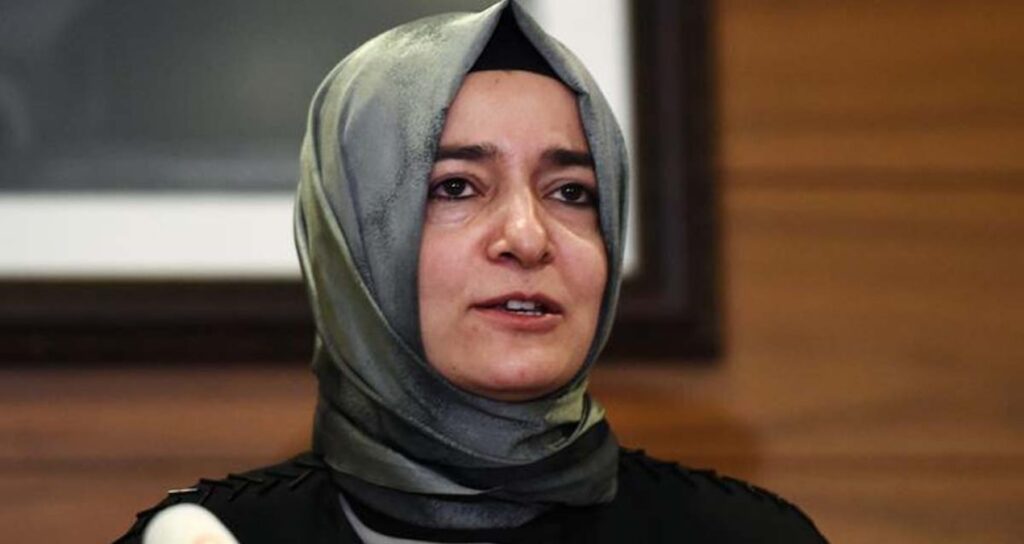
In recent political discourse, claims surrounding the management style of former Minister of Family and Social Policies, Fatma Betül Sayan Kaya, have come to the forefront. These allegations, which were presented by journalist Taha Hüseyin Karagöz, suggest that Kaya implemented significant personnel changes, impacting nearly 60 private secretaries within her ministry during her tenure. Experts, including political figures such as Özcan Güngör and Ahmet Erimhan, have since weighed in on the implications of these changes and their alignment with civil service principles. As the discussion evolves, attention is drawn towards the broader issues of meritocracy, public service rights, and the implications of governance.
| Article Subheadings |
|---|
| 1) Claims About Personnel Changes During Kaya’s Tenure |
| 2) Implications of the Allegations on Civil Service Practices |
| 3) The Role of Meritocracy in Public Service |
| 4) Political Reactions and Critiques of Kaya’s Management |
| 5) Overview of Exceptional Civil Service Positions |
Claims About Personnel Changes During Kaya’s Tenure
The claim concerning the extensive overhaul of staff within Fatma Betül Sayan Kaya’s ministry was initially publicized by Taha Hüseyin Karagöz, known for his connections to government circles. According to Karagöz, the former minister instigated the replacement of around 60 private secretaries during her 776 days in office, attributing these dismissals to “incompatibility.” This narrative paints a picture of a minister who wielded her authority to effect swift changes in personnel management, signaling a potentially pivotal shift in the operational dynamics within the Family and Social Policies Ministry.
The timing of these claims poses questions regarding the underlying reasons for such drastic personnel changes. Critics are concerned that these actions may have been influenced by personal biases or external pressures rather than merit or qualifications. It raises the broader question of how such management techniques impact morale and the effectiveness of departmental operations in government institutions.
Implications of the Allegations on Civil Service Practices
The repercussions of these allegations reverberate throughout discussions on public service and governance ethics. Özcan Güngör, a key political figure, emphasized with concern that the frequent rotation of private secretaries during Kaya’s administration indicates a troubling trend. He stated, “During Ms. Fatma Betül’s ministry, a total of 60 private secretaries were changed… because private secretary offices are exceptional civil servant positions.” This assertion highlights a significant issue in civil service governance, where expectations of stability and merit are put into question. If the allegations prove valid, it could suggest a need for reform in how civil service positions are managed and appointed.
Further criticism points to the reality that many young aspiring civil servants spend years preparing for rigorous exams, only to see appointments made arbitrarily at the discretion of a minister. The disparity between the aspirations of these civil servants and the practices revealed by Kaya’s actions suggests systemic flaws within the civil service framework that could have far-reaching implications for the integrity and functionality of the government.
The Role of Meritocracy in Public Service
Within the broader context of public service, there is a prevailing concern about the erosion of meritocracy. Ahmet Erimhan voiced similar concerns regarding the criteria used for appointment and retention within the private secretary roles. He noted, “If the news is true… appointments can be made openly at the discretion of the Minister.” In doing so, he highlighted a critical conversation about the importance of merit in public administration, illustrating how favoritism may undermine the essential functions of civil service roles.
The implications are significantly profound, as they touch upon equal opportunity and equitable access to government positions. The revelation that exceptional positions do not require standard evaluation processes raises questions about fairness and the future of public service in the country. In a system where quality and competence, rather than connections, should dictate appointments, this situation presents a stark contrast to those principles.
Political Reactions and Critiques of Kaya’s Management
Political reactions to these claims have varied, with officials stating the need to scrutinize the implications of such high turnover. Critics have pointed out that changing private secretaries frequently may suggest instability within the ministerial office, indicating a need for consistent leadership amidst evolving social policies. These concerns resonate deeply, as they reflect on the past functionality and future reliability of governmental departments dependent on continual personnel changes that disrupt workflow and diminish institutional knowledge.
Moreover, bringing in the element of morality, politicians like Güngör argue for the importance of ensuring that civil rights and labor principles are sustained. He lamented, “What a shame! Where are the rights, labor, merit, morality?” Such statements underscore a growing frustration amongst the populace and political figures who prioritize justice and fairness within governmental operations.
Overview of Exceptional Civil Service Positions
The designation of certain positions as ‘exceptional civil service’ roles merits deeper inquiry. These roles afford ministers considerable discretion in appointments—raising alarm over their implications for transparency and accountability in government. Without the need for competitive examinations or formal evaluations, the risk increases for cronyism and nepotism to flourish unchecked.
The public’s response to changes in these roles reflects a rising sentiment calling for the reassessment of such structures within public administration. Citizens and civil servants alike are demanding frameworks that prioritize transparency and fairness, aiming to reestablish trust in governments that demonstrate genuine accountability in their practices.
| No. | Key Points |
|---|---|
| 1 | Claims suggest nearly 60 secretaries were replaced during Kaya’s tenure. |
| 2 | Concerns about the implications for civil service practices and meritocracy. |
| 3 | Critiques highlight the absence of consistency and stability in government roles. |
| 4 | Political responses indicate a need for reform in appointment practices. |
| 5 | Calls for transparency and accountability regarding exceptional civil service roles. |
Summary
The claims surrounding Fatma Betül Sayan Kaya and her management approach provoke substantial discourse regarding civil service principles, merit, and integrity in governance. As political figures scrutinize the implications of potentially arbitrary personnel changes, there is a pressing need for a re-evaluation of how public roles are structured and appointed. Significantly, the outcry regarding the importance of maintaining meritocracy in public service principles emphasizes that governance should reflect justice, equality, and transparency to maintain citizen trust and effective administration.
Frequently Asked Questions
Question: What are exceptional civil service positions?
Exceptional civil service positions are roles that allow ministers significant discretion regarding appointments, often without the need for competitive examinations or formal evaluations.
Question: Why is meritocracy important in public service?
Meritocracy is crucial in public service as it ensures that positions are filled by qualified individuals based on skills and expertise, rather than favoritism, thereby enhancing government effectiveness and public trust.
Question: How do frequent personnel changes affect government operations?
Frequent personnel changes can destabilize government operations by hindering continuity, reducing institutional knowledge, and potentially impacting the effectiveness of policy implementation.