
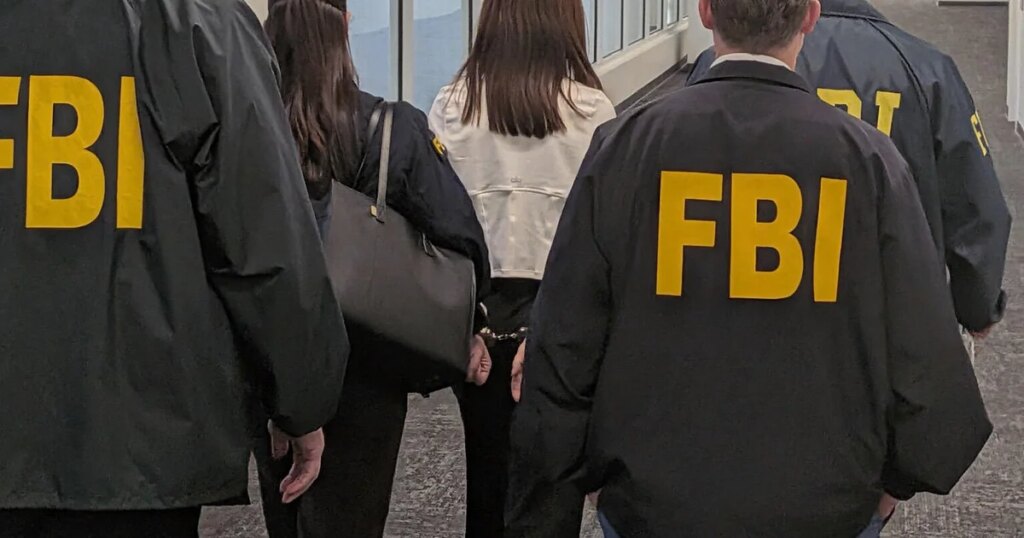
The recent arrest of a suspected Chinese agent at Los Angeles International Airport has raised significant concerns regarding international espionage. Wanying “Heather” Zhang, a 34-year-old realtor from California, was taken into custody as she prepared to board a flight to Shanghai. According to federal law enforcement sources, Zhang is accused of surveilling the son of Taiwanese President Ching-Te Lai, intensifying existing geopolitical tensions between China and Taiwan.
| Article Subheadings |
|---|
| 1) Details of the Arrest |
| 2) The Allegations against Zhang |
| 3) The Role of Geopolitical Tensions |
| 4) Implications of Zhang’s Actions |
| 5) Historical Context of Espionage |
Details of the Arrest
On October 4, 2026, federal law enforcement officials arrested Wanying “Heather” Zhang at Los Angeles International Airport just before her departure to Shanghai. The arrest stemmed from an accusation of acting as an unregistered agent of a foreign government, specifically linked to her surveillance activities surrounding Taiwanese officials. The incident reportedly occurred when she was about to board a flight, indicating a swift action taken by the authorities, aiming to neutralize potential espionage activities.
The Allegations against Zhang
A criminal complaint filed in federal court details the alleged actions of Zhang and an unidentified accomplice. The pair is accused of traveling to Seattle in September 2025 to surveil the home of the son of Taiwanese President Ching-Te Lai, focusing particularly on Ting-Yu Lai, who has significant professional ties in the United States. This investigation has been bolstered by visual evidence captured on a neighbor’s security camera, which purportedly shows them filming the Lai family as they returned home. Additionally, Zhang allegedly communicated with handlers in China via text messages, providing updates on their activities, which further implicates her in conducting espionage under the direction of a foreign government.
The Role of Geopolitical Tensions
Taiwan has long been a focal point of escalating geopolitical tensions between China and the United States. The Chinese government views Taiwan as a breakaway province and intensifies its efforts to gather intelligence on Taiwanese officials, particularly amid rising concerns about potential military conflicts in the region. The surveillance of Ting-Yu Lai underscores the broader strategy of the People’s Republic of China (PRC) to gain leverage over Taiwanese leadership; an act that could carry substantial implications in an era marked by heightened military readiness from both sides. As the U.S. maintains its support for Taiwan, actions like that of Zhang’s warrant close scrutiny, given their potential impact on the fragile regional balance.
Implications of Zhang’s Actions
The implications of Zhang’s actions are profound, with ramifications extending into the broader realm of international relations. Should the allegations against her be validated, it serves as a stark reminder of the persistent threats posed by foreign espionage activities within the United States. Zhang’s case is part of a larger pattern where individuals linked to the Chinese government have been engaged in similar surveillance attempts, focused on both dissidents and foreign officials alike. Questions about national security, diplomatic relations, and the safety of expatriate Taiwanese nationals in the U.S. may arise as this case unfolds. The FBI’s thorough investigation suggests the seriousness of the accusations, as they work to prevent further incidents that could compromise national integrity and security.
Historical Context of Espionage
Espionage activities have been a critical concern for many nations, particularly in the context of U.S.-China relations. Over the years, numerous cases have illustrated the lengths to which Chinese agents will go to gain sensitive information. Zhang’s case evokes comparisons to historical espionage incidents, including prior arrests related to attempts to target Chinese dissidents on American soil. Federal prosecutors have indicated that such actions form part of a more extensive proactive strategy by the Chinese government, aimed at gathering intelligence on adversaries and intimidating dissenters. The surveillance undertaken by Zhang highlights the ongoing challenges faced by U.S. authorities in countering espionage attempts and protecting individuals who may be targeted due to their connections or political affiliations.
| No. | Key Points |
|---|---|
| 1 | Wanying “Heather” Zhang was arrested at LAX for allegedly surveilling a Taiwanese official’s family. |
| 2 | Federal law enforcement has linked Zhang’s activities to broader Chinese espionage efforts against Taiwan. |
| 3 | Video evidence from a neighbor shows Zhang filming the Lai family. |
| 4 | Zhang communicated with her Chinese handlers and appears to have planned the surveillance in advance. |
| 5 | This incident highlights ongoing tensions in U.S.-China-Taiwan relations and the specter of espionage activities. |
Summary
The arrest of Wanying “Heather” Zhang at Los Angeles International Airport emphasizes the continuing threat of international espionage in the context of strained geopolitical relations between the United States, Taiwan, and China. As details surrounding her alleged actions emerge, the implications for national security and diplomatic relations are significant. The case reflects the broader landscape of espionage activities that challenge the integrity of U.S. sovereignty and its relationships with allied nations.
Frequently Asked Questions
Question: What were the circumstances leading to Zhang’s arrest?
Wanying “Heather” Zhang was arrested shortly before boarding a flight to Shanghai, accused of surveillance activities directed against the son of Taiwanese President Ching-Te Lai.
Question: How did authorities gather evidence against Zhang?
Law enforcement obtained video footage and Zhang’s text communications with her handlers, which were retrieved via a search warrant on her iCloud account.
Question: What are the broader implications of Zhang’s actions for U.S.-China relations?
Zhang’s alleged espionage reflects ongoing tensions in U.S.-China relations and raises concerns about security for Taiwanese officials in the U.S., as well as broader geopolitical stability in the region.