
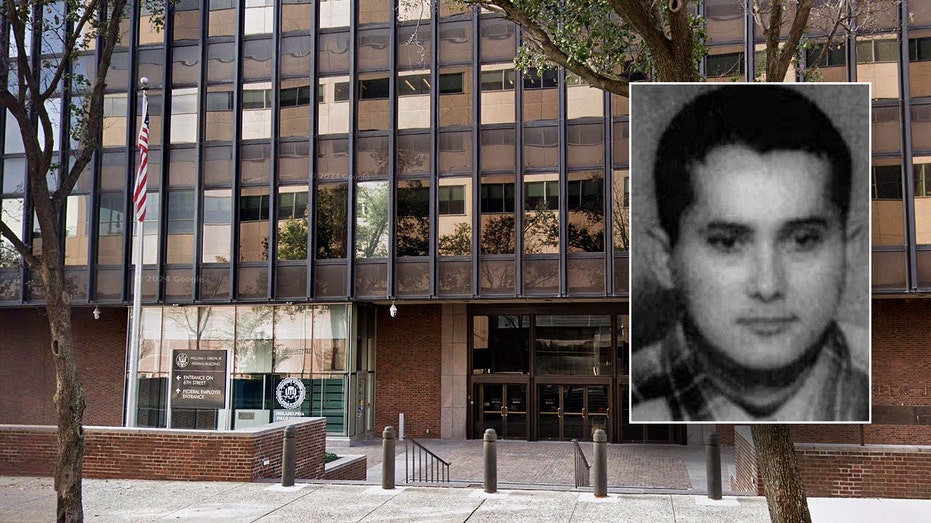
The FBI has secured the extradition of Alexis Flores from Honduras to the United States in connection with the alleged 2000 rape and murder of 5-year-old Iriana DeJesus in Philadelphia. Flores was arrested in Honduras in February 2026 after more than 25 years as a fugitive. He had previously appeared on the FBI’s Ten Most Wanted Fugitives list, though he was removed in March 2025 because Honduran authorities had declined to extradite him under local law. The extradition was announced Monday after Honduran authorities agreed to transfer him to U.S. custody.
| 1) | Extradition follows a long-running international investigation |
| 2) | Flores’s arrest and alleged connection to the Philadelphia case |
| 3) | Why the fugitive’s listing changed over time |
| 4) | Officials emphasize international law enforcement cooperation |
| 5) | The extradition comes amid other fugitive investigations |
Extradition follows a long-running international investigation
Flores was returned to U.S. custody after Honduran authorities approved his extradition. The transfer follows his February 2026 arrest in Honduras by an anti-gang transnational task force connected to the investigation. The case centers on events in Philadelphia in 2000, when DeJesus was allegedly raped and murdered. Authorities have pursued Flores across jurisdictions for more than two decades, making the extradition the latest step in a case that remained unresolved for years.
The extradition process required cooperation between U.S. and Honduran officials. The FBI said the agreement cleared the way for Flores to face the U.S. legal process after his arrest abroad. The available account identifies the alleged crimes and the international transfer, but does not provide details about his initial court appearance or the specific charges filed after his return.
Flores’s arrest and alleged connection to the Philadelphia case
Alexis Flores became wanted in connection with the alleged killing of Iriana DeJesus, who was 5 years old at the time of her death. The investigation led the FBI to identify Flores as a fugitive and place him on the agency’s Ten Most Wanted Fugitives list. He remained outside U.S. custody until authorities arrested him in Honduras in February.
FBI Director Kash Patel said the arrest followed the work of an overseas task force and described Flores as a high-value target. Patel also said the case demonstrates that the passage of time and distance do not necessarily prevent law enforcement from pursuing violent-offense suspects. Flores remains an accused person, and the allegations must be addressed through the U.S. judicial process.
“After more than 25 years on the run, this arrest proves time and distance do not shield violent offenders from justice,” Kash Patel said.
Why the fugitive’s listing changed over time
The FBI said Flores was removed from the Ten Most Wanted Fugitives list in March 2025. The agency attributed the decision to the prior Honduran government’s refusal to extradite him, citing Honduran laws that limited extradition for the offenses at issue. His removal from the list did not end the investigation or resolve the allegations against him.
The subsequent change in Honduran cooperation allowed authorities to move forward with the transfer. This distinction is important because removal from a most-wanted list does not necessarily mean that a suspect has been cleared, located or no longer sought. In Flores’s case, officials continued working with international partners until his arrest and extradition became possible.
Officials emphasize international law enforcement cooperation
Philadelphia officials welcomed the arrest when Flores was apprehended earlier this year. Wayne Jacobs, special agent in charge of the FBI’s Philadelphia division, said investigators had maintained their efforts for 25 years and credited cooperation among domestic and international agencies.
“The passage of time does not diminish our resolve or perseverance in the pursuit of justice,” Wayne Jacobs said.
The case illustrates how extradition agreements, overseas partners and sustained investigative work can affect older violent-crime cases. Officials also thanked the Department of Justice and law enforcement teams involved in bringing Flores back to the United States.
The extradition comes amid other fugitive investigations
Flores’s extradition follows the capture of another former FBI Most Wanted fugitive, Gregory Henderson Jr. Henderson was arrested after being added to the list in connection with an alleged Indianapolis gang organization. He faces federal allegations involving drug distribution, money laundering and an animal-fighting venture.
Authorities allege that Henderson’s organization distributed methamphetamine, cocaine and fentanyl in Indianapolis and elsewhere in the Midwest, with supplies linked to the Sinaloa Cartel. The separate case was cited as another example of the FBI’s recent efforts to locate and arrest fugitives accused of serious crimes. It does not involve the Philadelphia murder investigation or alter the allegations against Flores.
| 1 | Flores was extradited from Honduras to U.S. custody. |
|---|---|
| 2 | He was arrested in February 2026 after more than 25 years as a fugitive. |
| 3 | The case concerns the alleged 2000 rape and murder of 5-year-old Iriana DeJesus in Philadelphia. |
| 4 | Flores was removed from the FBI’s Ten Most Wanted list in March 2025 because extradition had previously been refused. |
Summary
The extradition of Alexis Flores brings a decades-old Philadelphia child murder investigation into the U.S. legal system. His arrest and transfer depended on renewed cooperation between American and Honduran authorities. Flores is expected to face the allegations connected to the 2000 death of Iriana DeJesus, while the case proceeds through the courts.
Frequently Asked Questions
Who is Alexis Flores?
Alexis Flores is a Honduran national who was wanted in connection with the alleged 2000 rape and murder of 5-year-old Iriana DeJesus in Philadelphia.
When was Flores arrested?
Authorities arrested Flores in Honduras in February 2026 after he had remained a fugitive for more than 25 years.
Why was Flores removed from the FBI’s Ten Most Wanted list?
The FBI said he was removed in March 2025 because the prior Honduran government had refused extradition under local laws limiting transfers for the offenses involved.
What happens next?
Flores has been returned to U.S. custody, where the allegations will proceed through the American judicial system. Further court details were not provided in the available account.