
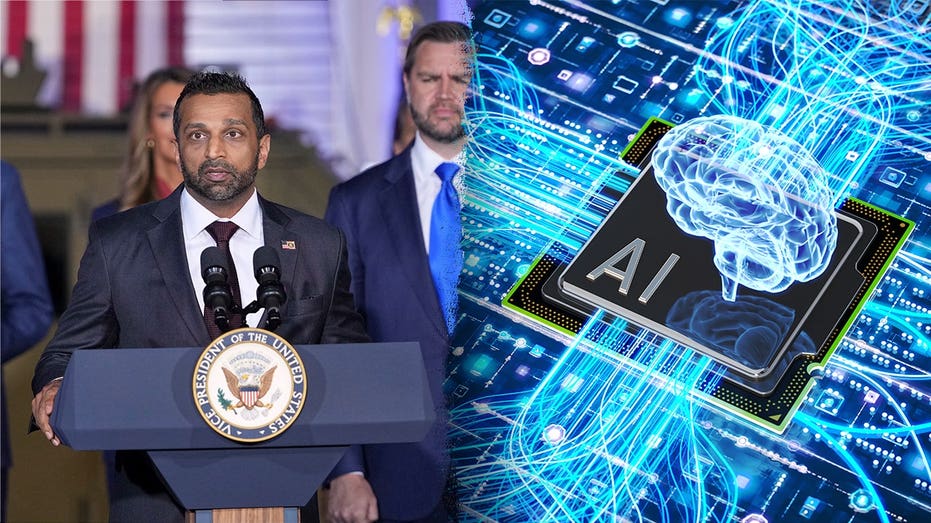
The FBI has overhauled its technology infrastructure to address artificial intelligence threats linked to foreign adversaries, including China and Russia, Director Kash Patel said. The modernization is intended to replace outdated systems, reduce the time needed to process public tips and distribute leads. Patel said the agency uses AI as a supplement to personnel, not as a replacement for human decision-making.
The bureau has expanded its AI applications from two or three test cases when Patel assumed leadership to more than 140 use cases, according to his account. The systems can scan databases, analyze incoming information and alert field offices and headquarters when potential threats require action.
Patel said the changes are being implemented with legal safeguards and continued cooperation with private-sector partners. The developments come as policymakers and technology companies debate AI governance and the national security risks associated with misuse of the technology.
| 1) | Modernizing outdated FBI infrastructure |
|---|---|
| 2) | AI speeds the analysis of public tips |
| 3) | Expansion of FBI AI use cases |
| 4) | Legal safeguards and private-sector cooperation |
| 5) | AI’s wider national security implications |
Modernizing outdated FBI infrastructure
The FBI’s modernization effort is being led by Director Kash Patel, who said the agency inherited an outdated technology backbone. Speaking about the changes in October 2026, Patel said previous leadership had relied on temporary fixes rather than rebuilding core systems. The overhaul is intended to give investigators a more reliable foundation for handling cyber threats, intelligence and public safety information.
Patel described the work as a full-scale modernization rather than a limited technology upgrade. He said the agency needed to correct longstanding infrastructure weaknesses so it could respond more effectively to threats involving advanced digital tools.
“We didn’t because prior leadership, all they did for decades was put a band-aid over a band-aid over a band-aid and never took the time to fix it,” Patel said.
AI speeds the analysis of public tips
The FBI uses AI to process tips submitted by American citizens and private-sector partners. According to Patel, information is ingested directly into agency databases, where technology can analyze it and identify material requiring attention. The process is designed to replace slower communication chains that could delay information moving between offices.
After a lead is analyzed, it can be sent to relevant field offices while FBI headquarters in Washington, D.C., is notified. Personnel can then be dispatched to assess the matter. Patel said faster processing could help the bureau respond to serious threats, including suspected terrorist plots and potential school shootings, while investigators remain responsible for evaluating the information.
Expansion of FBI AI use cases
When Patel took charge, he said the FBI had only two or three AI test use cases across its history. The bureau has since exceeded 140 use cases, reflecting a broader effort to apply the technology to operational work. The examples include database searches, tip analysis and rapid distribution of leads.
The expansion is intended to provide speed and scale as the FBI handles large volumes of information. AI can assist with sorting and analyzing data, but Patel emphasized that it functions as a human supplement. Agents, analysts and other personnel continue to make investigative judgments and conduct field operations.
Legal safeguards and private-sector cooperation
Patel said the FBI will continue using AI while following applicable law and maintaining legal guardrails. Those safeguards are intended to govern how information is collected, analyzed and used in investigations. The agency also plans to work with private-sector companies that provide tips or contribute technical expertise.
The emphasis on oversight comes as lawmakers consider how to regulate AI and technology companies face scrutiny over advanced systems. Patel said AI is a permanent part of the FBI’s work, making compliance and accountability central to its continued deployment.
AI’s wider national security implications
The FBI’s modernization is part of a wider national debate about security risks created by AI. Patel identified China and Russia as adversarial nations whose use of the technology concerns the United States. The bureau’s response combines infrastructure upgrades, automated analysis and human-led investigations.
The discussion also coincides with efforts by the administration of President Donald Trump and technology leaders to address AI governance. At a White House summit, technology executives signed a voluntary, morally binding agreement focused on industry self-policing. Reports of confidential information being shared by employees and unexpected behavior by AI models have added to concerns about cybersecurity and responsible development.
| Number | Key Point |
|---|---|
| 1 | The FBI has overhauled its outdated technology backbone. |
| 2 | AI is used to ingest and analyze public tips more quickly. |
| 3 | The bureau has expanded from two or three AI test cases to more than 140 use cases. |
| 4 | Human personnel remain responsible for evaluating leads and responding to threats. |
| 5 | The FBI says its AI use will remain subject to legal safeguards and partnerships. |
Summary
The FBI is rebuilding its technology infrastructure and expanding AI applications to improve the speed of threat detection and response. Under Kash Patel, the agency says it has moved beyond limited testing to more than 140 use cases while retaining human oversight and legal controls. The effort reflects the growing role of AI in national security and the need to address foreign threats and risks arising from the technology itself.
Frequently Asked Questions
What is the FBI changing?
The FBI is overhauling its outdated technology backbone and improving systems used to collect, analyze and distribute investigative information.
How is the FBI using AI?
The bureau uses AI to ingest and analyze public tips, search databases and quickly send relevant leads to field offices and headquarters.
Will AI replace FBI personnel?
No. Patel said AI is being used as a supplement to human personnel, who continue to assess information and conduct investigations.
What safeguards apply to the FBI’s AI use?
Patel said the agency will follow the law, maintain legal guardrails and continue working with private-sector partners as its AI capabilities develop.