
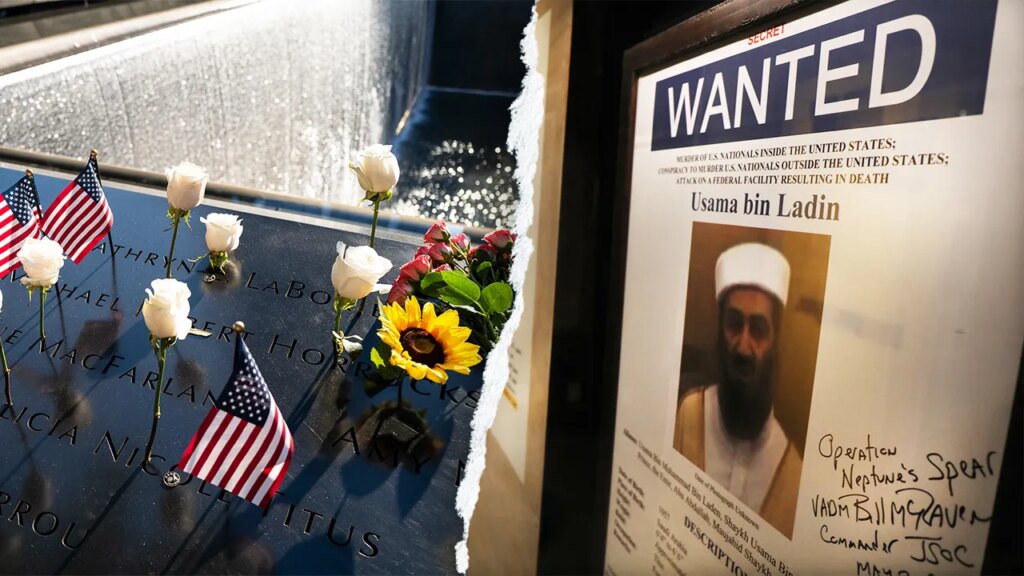
As the United States prepares to observe the 25th anniversary of the September 11 terrorist attacks, the Fairfax County Public Schools in Virginia has issued guidelines for educators regarding the commemoration of the event. The school district’s guidance suggests that teachers should avoid connecting the attacks with radical Islam and promote safe spaces for Muslim students, prompting debate among educators, parents, and political figures. Critics argue that this approach downplays the historical context of the attacks and fails to address the complexities surrounding the extremist motivations behind them.
| Article Subheadings |
|---|
| 1) Context of the Educational Guidelines |
| 2) Reaction from the Community and Officials |
| 3) Perspective on Historical Teaching |
| 4) The Role of the Educators |
| 5) Summary of the Debate |
Context of the Educational Guidelines
The Fairfax County school district, located close to the Pentagon, has developed a six-page instructional guide titled “25th Anniversary and Commemoration of 9/11.” This document instructs teachers on how to approach the anniversary of the tragic events without explicitly associating the terror attacks with radical Islam. The guide emphasizes the creation of “safe spaces” for Muslim and Middle Eastern students, addressing potential sensitivities that could arise from discussions surrounding the events of 9/11. According to the school district, the reasoning behind these guidelines is to foster an inclusive environment where all students feel respected and safe in their educational environment. The guide dedicates a significant portion of its content—approximately half—to these “safe space” considerations, while only a smaller percentage directly addresses the events of 9/11 themselves.
Reaction from the Community and Officials
The release of the guidelines has sparked strong reactions from various stakeholders, including educators, parents, and military veterans. Many critics argue that the school district’s guidance prioritizes political correctness over factual history. Lou Crenshaw, a retired Navy Vice Admiral who was stationed at the Pentagon during the attacks, stated, “It’s sort of a vanilla way to do things,” suggesting that the guidelines may dull the historical significance of the attacks. He urged educators to provide students with a lesson that reflects the true nature of the attacks, rather than sugarcoating it in a way that spares feelings. This sentiment has resonated with other members of the community who feel that the complexities of the war on terror and the motivations behind the attacks should not be glossed over in the classroom.
Perspective on Historical Teaching
The controversy surrounding how 9/11 is taught reflects broader tensions in educational settings about the portrayal of history, especially regarding sensitive topics. Critics of the Fairfax County Public Schools’ guidelines argue that avoiding discussions of radical Islamic extremism removes an essential aspect of the historical narrative. Furthermore, there’s widespread concern that neglecting to discuss the foundational ideologies and the group responsible for the attacks—the terrorist organization al-Qaeda—leaves students uninformed about the complexities of global politics and terrorism today. Crenshaw emphasized that understanding the motivations behind the attacks is crucial for students, stating, “What we saw on 9/11 was a religious extremist group who did not tolerate what the United States was doing around the world.” He called for educational approaches that accurately articulate these realities without stigmatizing an entire religion.
The Role of the Educators
Educators play a pivotal role in shaping how students understand and interpret historical events. The Fairfax County guidelines require teachers to balance their instructional methods with sensitivity to the feelings of all students, especially those from Muslim backgrounds. It instructs teachers to actively combat anti-Muslim rhetoric while ensuring that the history of 9/11 is presented in a way that emphasizes respect for all cultures. However, there are concerns that this approach might inadvertently sanitize the historical events surrounding 9/11. Teachers are advised against linking the attacks with Islam or centering conversations around the extremists’ ideology, which has raised eyebrows among educators who believe that understanding the context of these events is crucial for their students’ education.
Summary of the Debate
As the 25th anniversary of 9/11 approaches, the discussions surrounding educational practices in Fairfax County highlight a growing divide over how history should be taught in public schools. While the intention behind the district’s guidelines is to create an inclusive environment for all students, critics argue that a lack of historical context may lead to misunderstandings about the events that took place on September 11, 2001. The pushback against the guidelines underscores a significant debate about educational curricula, the responsibilities of educators, and the expectations of school districts to balance sensitivity with historical accuracy. As noted by Jessica Tisch, NYPD Commissioner, in comments acknowledging the anniversary, it is essential to maintain moral clarity regarding the events and to honor both the terrorists’ actions and the heroism of first responders.
| No. | Key Points |
|---|---|
| 1 | Fairfax County Public Schools emphasizes creating safe environments for Muslim students while discussing 9/11. |
| 2 | Critics argue that this approach diminishes the historical significance of the attacks and their context. |
| 3 | Educator sentiment stresses the importance of discussing the motivations behind the attacks, including extremist ideologies. |
| 4 | The guidelines are seen as part of a larger trend toward political correctness in educational curricula. |
| 5 | Ongoing discussions illustrate the tension between inclusivity and the presentation of factual history in education. |
Summary
The Fairfax County Public Schools’ guidelines on teaching 9/11 have sparked a heated debate on the intersection of sensitivity and historical accuracy in education. While the desire to create a respectful environment for diverse student backgrounds is commendable, the potential omission of crucial historical context surrounding the attacks raises significant concerns. As discussions evolve leading up to the anniversary, educators, parents, and community members must find a balance that preserves the integrity of historical events while fostering an inclusive educational atmosphere. The significance of September 11, 2001, remains a powerful reminder of the impacts of terrorism and the ongoing responsibility to educate future generations accurately.
Frequently Asked Questions
Question: Why did Fairfax County Public Schools issue guidelines for 9/11 commemoration?
The guidelines were created to foster inclusivity and provide a safe space for Muslim students while discussing sensitive topics related to the September 11 attacks.
Question: What criticisms have emerged regarding the educational guidelines?
Critics argue that the guidelines prioritize political correctness at the expense of historical accuracy, potentially leaving students uninformed about the events and ideologies surrounding 9/11.
Question: How have educators responded to the school district’s instructions?
Many educators express concern that the instructions may dilute the historical significance of 9/11, emphasizing the importance of discussing the extremist ideologies that motivated the attacks without portraying all Muslims negatively.