
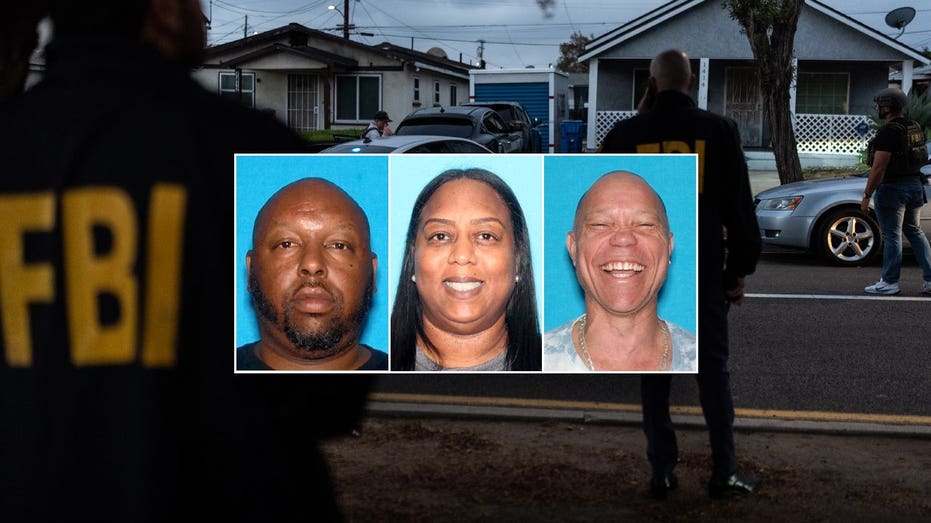
Federal authorities charged three people on September 16, 2026, in separate cases alleging fraud and corruption involving public money intended to house and assist homeless Californians. Prosecutors say the alleged misuse included a Tahiti vacation, a high-end nightclub, luxury vehicles and personal debts. Two defendants were arrested, while a third was considered a fugitive. The allegations remain subject to court proceedings.
| 1) | The main federal case against Michael Young |
|---|---|
| 2) | Alleged spending on a nightclub and luxury purchases |
| 3) | Bribery allegations involving housing referrals |
| 4) | The case involving grant funds and personal expenses |
| 5) | Federal warnings and the status of the prosecutions |
The main federal case against Michael Young
Michael Young, 46, a founder of the Culver City-based nonprofit Home At Last, was charged as part of a federal crackdown announced in Los Angeles on Wednesday. According to the Justice Department, Home At Last received more than $118 million through government contracts, including over $75 million from the Los Angeles Homeless Services Authority.
Prosecutors allege that Michael Young misappropriated millions of dollars, including more than $7.5 million through a sham vendor arrangement. The charges include wire fraud, bribery and money laundering. Federal officials said the alleged scheme used shell companies and fraudulent billing practices to divert funds intended for housing and services for homeless people.
Alleged spending on a nightclub and luxury purchases
Investigators allege that Michael Young spent more than $1 million to open and operate Six Seven Five Lounge, a high-end restaurant and nightclub in Inglewood. Prosecutors also accused him of using homelessness-related funds for nearly $50,000 in expenses connected to a Tahiti vacation.
Authorities further allege that approximately $140,000 was used to restore a vintage Chevrolet Impala. The allegations prompted sharp criticism from federal officials. HUD Secretary Scott Turner said,
The days of these wire fraud experts flying on private jets, driving around Beverly Hills in Range Rovers and doing lavish things is over.
Assistant Attorney General Colin M. McDonald said taxpayers did not agree to fund the nightclub.
Bribery allegations involving housing referrals
Lakiya Malone, 48, an employee of Special Service for Groups, was arrested and charged in a 21-count indictment. Prosecutors allege that she accepted more than $180,000 in bribes and kickbacks from Alexander Soofer, the executive director of the nonprofit Abundant Blessings.
In return, prosecutors say, Lakiya Malone provided priority referrals to housing sites, including referrals involving so-called ghost participants who never lived at the properties. The alleged files included fabricated welcome letters, forged sign-in sheets and falsified eligibility forms. Alexander Soofer, who had previously been charged, has agreed to plead guilty to wire fraud and money laundering. He admitted obtaining $23 million in public funds intended to address homelessness and keeping at least $2 million for himself and unrelated businesses.
The case involving grant funds and personal expenses
Donye Mitchell, 55, chief executive of The Big Blue Umbrella, was charged separately and considered a fugitive as of Wednesday. Prosecutors allege that he obtained more than $1.2 million in grant funding after making false representations.
The indictment alleges that grant money was later used for personal expenses, including bail-bond costs, credit card debt, transfers to family members and PlayStation charges. The funds were intended to support programs for homeless Californians. Federal authorities have not described the outcome of the allegations against Donye Mitchell, and the case will proceed through the courts.
Federal warnings and the status of the prosecutions
Federal agents carried out early-morning enforcement activity across Los Angeles on September 16, 2026. Two of the three defendants were arrested, while Donye Mitchell remained at large. The cases involve alleged misuse of public funds distributed through nonprofit organizations and government homelessness programs.
First Assistant U.S. Attorney Bill Essayli urged people with information about fraud involving homelessness funding to report it to law enforcement.
If you or someone you know has defrauded money allocated for the homeless, I suggest you report it to law enforcement. If you don’t, your door may be the next one we’re hitting.
The charges are allegations, and the defendants are entitled to due process and the presumption of innocence unless proven guilty.
| Number | Key Point |
|---|---|
| 1 | Three defendants face federal cases tied to alleged homelessness-aid fraud in California. |
| 2 | Prosecutors say Michael Young received more than $118 million in public contracts. |
| 3 | Alleged personal spending included a Tahiti trip, nightclub costs and vehicle restoration. |
| 4 | Lakiya Malone is accused of accepting bribes for priority housing referrals. |
| 5 | Donye Mitchell was considered a fugitive after alleged misuse of grant funds. |
Summary
The federal cases announced in Los Angeles target alleged diversion of taxpayer money intended for homeless housing and services. Prosecutors accuse the defendants of using fraudulent billing, shell companies, bribery and false grant applications to obtain or redirect public funds. The cases will now move through the federal court process, where the allegations will be tested and the defendants will have an opportunity to respond.
Frequently Asked Questions
Who was charged in the federal crackdown?
Michael Young, Lakiya Malone and Donye Mitchell were charged in separate federal cases. Two were arrested, while Donye Mitchell was considered a fugitive.
What spending do prosecutors allege was improper?
The allegations include spending on a Tahiti vacation, a high-end nightclub, restoration of a vintage Chevrolet Impala, bail-bond costs, credit card debt, family transfers and PlayStation charges.
What happened to Alexander Soofer?
Alexander Soofer, who was previously charged, agreed to plead guilty to wire fraud and money laundering. He admitted obtaining $23 million in public funds and keeping at least $2 million for himself and unrelated businesses.
Have the defendants been convicted?
No. The charges are allegations, and the defendants remain entitled to due process and the presumption of innocence unless proven guilty.