
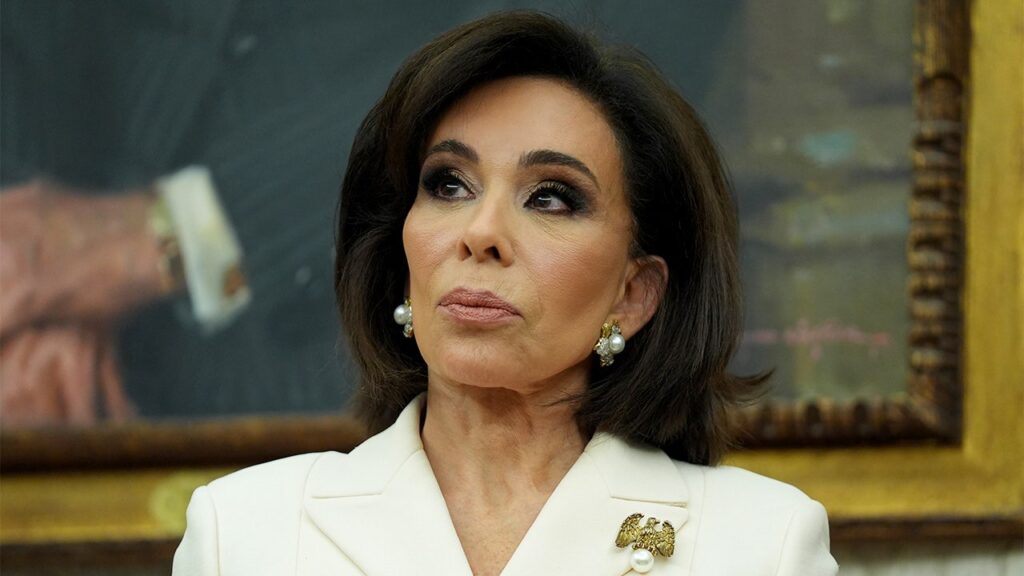
A recent investigation by the U.S. Attorney for the District of Columbia, Jeanine Pirro, has revealed troubling evidence of widespread misclassification of crime reports by the Metropolitan Police Department (MPD). This mismanagement has led to an artificial inflation of the reported crime rates, suggesting that actual crime rates in Washington, D.C. are significantly higher than indicated. The findings stem from a detailed review of nearly 6,000 reports and interviews with over 50 witnesses. While Pirro emphasized that the misconduct by MPD does not warrant criminal charges, it does raise serious concerns about the integrity of crime reporting in the nation’s capital.
| Article Subheadings |
|---|
| 1) Investigation Overview |
| 2) Implications of Misclassification |
| 3) Political Reactions and Responses |
| 4) Future Actions Proposed |
| 5) Broader Context of Crime in D.C. |
Investigation Overview
The comprehensive investigation that led to these findings began in August and was initiated by reports suggesting that crime statistics reported by the MPD were artificially deflated. Under the direction of the U.S. Attorney’s Office, nearly 6,000 crime reports were scrutinized, revealing discrepancies in how various incidents were classified. More than 50 witnesses, including both current and former members of the MPD, provided testimony that confirmed suspicions of manipulation in the reporting process. The results of this investigation were officially disclosed in a statement by U.S. Attorney Jeanine Pirro.
Implications of Misclassification
The implications of the investigation are significant as MPD’s misclassification practices may have misled the public, local government, and federal authorities regarding the actual crime rates in the district. This could affect public policy, law enforcement resource allocation, and community safety perceptions. According to Pirro, the statistical manipulations were substantial enough to create a misleading narrative about crime trends in the region. “It is evident that a significant number of reports had been misclassified, making crime appear artificially lower than it was,” Pirro remarked, underscoring the severity of the issue.
Political Reactions and Responses
The findings have sparked a wave of political reactions from various corners. The Republican-led House Oversight Committee, which recently released an interim report on the issue, charged that former MPD Chief Pamela Smith oversaw a culture of pressure to alter crime classifications. The committee alleged that Smith retaliated against officers who raised concerns about rising crime rates. In light of these allegations, Pirro’s office has called for MPD to take internal measures to address these issues. Amidst these developments, the administration has also been under scrutiny regarding broader crime policies in the capital region.
Future Actions Proposed
Looking ahead, there are calls for immediate reforms within MPD to restore trust and integrity in crime reporting. While Pirro stated that the findings do not rise to the level of criminal charges, she emphasized that “it is up the department to take steps to internally address these underlying issues.” This statement suggests the necessity for better oversight and accountability within the department to prevent future occurrences of this nature. A comprehensive strategy that includes training, policy amendments, and probable personnel changes may be essential for restoring public confidence.
Broader Context of Crime in D.C.
The backdrop of this investigation is heightened by ongoing concerns regarding crime rates in Washington, D.C. In recent years, crime, especially violent crime, has been a central issue affecting residents and city officials. The investigation into MPD’s reliability echoes wider themes in public safety discourse across the nation, where neighborhoods are grappling with varying levels of violence and safety concerns. The U.S. Attorney’s findings may serve to further complicate the perceptions of crime control efforts in the city, particularly in light of initiatives from law enforcement and federal authorities aimed at curtailing crime.
| No. | Key Points |
|---|---|
| 1 | An investigation revealed widespread misclassification of crime reports by the Metropolitan Police Department. |
| 2 | Nearly 6,000 reports were reviewed and over 50 witnesses interviewed, confirming significant underreporting of crime. |
| 3 | U.S. Attorney Jeanine Pirro indicated that the misclassifications did not constitute criminal charges but required internal reforms. |
| 4 | The investigation raises alarms about the integrity and transparency of crime reporting in Washington, D.C. |
| 5 | Political repercussions include alleged interventions by former MPD Chief Pamela Smith in crime reporting. |
Summary
The findings from the U.S. Attorney’s investigation into the Metropolitan Police Department have unveiled serious issues regarding crime report misclassification, shedding light on broader implications for public safety and trust. While the investigation did not result in criminal charges, it underscores the necessity for departmental reforms and accountability. With the city’s crime statistics under scrutiny, proactive measures will be essential to restore confidence among residents and stakeholders in Washington, D.C.
Frequently Asked Questions
Question: What were the main findings of the investigation into the Metropolitan Police Department?
The investigation revealed widespread misclassification of crime reports, suggesting that actual crime rates in Washington, D.C. were significantly underreported.
Question: What actions are proposed following the investigation?
Calls for internal reforms within the MPD have been made, emphasizing the need for policy amendments and better oversight to prevent similar occurrences in the future.
Question: Did the investigation result in any criminal charges for the MPD?
No, the U.S. Attorney stated that while there were significant issues with reporting, they did not rise to the level of criminal charges.