
In a significant move, the Federal Reserve has raised interest rates for the first time since 2023, citing rising inflation driven by global energy prices as a key factor. This decision, which saw the federal funds rate increase by 0.25 percentage points, brings the target range to between 3.75% and 4%, the highest level since December 2025. The Fed’s unanimous vote also indicated potential future increases later this year, amid ongoing concerns about economic stability and inflation rates that exceed the central bank’s target.
| Article Subheadings |
|---|
| 1) Overview of the Rate Increase |
| 2) The Fed’s Long-Term Plan |
| 3) Market Reactions and Economic Implications |
| 4) Impact on Borrowing Costs |
| 5) Future Considerations and Speculations |
Overview of the Rate Increase
On Wednesday, the Federal Reserve announced an increase in interest rates, marking a pivotal change in its monetary policy as it seeks to combat rising inflation. The Fed raised the federal funds rate by 0.25 percentage points, adjusted to a range between 3.75% and 4%. This adjustment signifies the highest interest rate level since December 2025, with a unified vote from Fed officials indicating the urgency of addressing inflation concerns affecting the U.S. economy.
The decision comes at a time when inflation has been under scrutiny, exacerbated by escalating global energy prices resulting from conflicts in the Middle East. Economic analyses demonstrated that the Consumer Price Index rose at an annual rate of 3.4% in August, significantly surpassing the Fed’s target of 2%. As costs related to essentials continue to rise, the Fed’s recent actions reflect an objective to stabilize prices and mitigate economic growth fluctuations.
The Fed’s Long-Term Plan
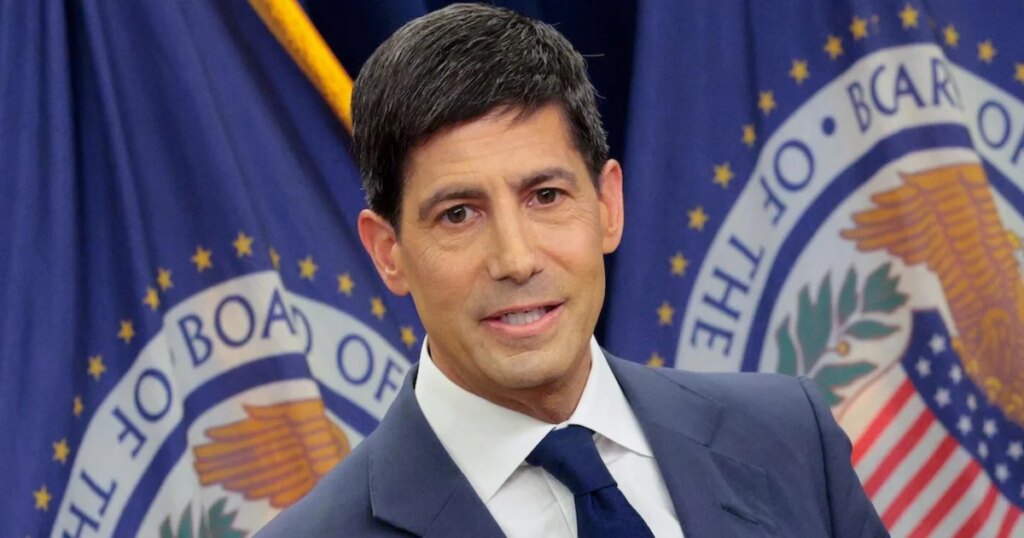
During a press conference following the announcement, Fed Chairman Kevin Warsh shared insights regarding the committee’s strategic direction. Analysts interpreted that the forthcoming rate increase is not indicative of a new era of rate hikes; instead, it appears to be a calibrated approach to handle persistent inflation. Warsh confirmed that the Fed aims to keep interest rates steady throughout 2027 while focusing primarily on achieving price stability.
This stance suggests that the Federal Reserve will adopt a wait-and-see approach, monitoring the economic landscape before implementing further changes. The implications of these projections indicate that the Fed sees inflation risk as a priority but recognizes the potential impact of current geopolitical tensions. Approximately half of the Federal Open Market Committee (FOMC) members believe that rates will maintain a steady level in the coming year, signaling caution among policymakers.
Market Reactions and Economic Implications
The announcement of the rate hike elicited immediate reactions from the stock market, with stocks dipping in response to Warsh’s comments regarding the strengthening economy. Higher interest rates often lead to reduced consumer spending and investment, thus cooling economic growth. Following the Fed’s statement, the Dow Jones Industrial Average dropped by 631 points, equating to a 1.2% decline, while the S&P 500 experienced a loss of nearly 0.4%. The tech-heavy Nasdaq ended the trading day nearly flat, reflecting investor uncertainty regarding future monetary policy.
Market analysts noted the Fed’s unanimous decision in favor of the rate hike served to enhance credibility in its commitment to controlling inflation. Heather Long, chief economist at Navy Federal Credit Union, commented that the unanimous vote underscores the Fed’s resolve to act against inflation, regardless of external pressures. Investors are now left weighing the likelihood of additional rate hikes, influenced by economic data and geopolitical events such as the conflict in Iran.
Impact on Borrowing Costs
As a direct consequence of the Fed’s decision, financial institutions are expected to increase interest rates on various lending products, including credit cards, auto loans, and mortgages. Financial experts weigh in that while a single 0.25 percentage-point increase might not drastically alter borrowing costs, cumulative changes could eventually burden consumers. This is particularly concerning as many Americans are already coping with heightened prices for fuel, groceries, and other necessary goods necessitated by the inflationary environment.
Statistical analysis indicated a drop in consumer sentiment, reported to be 13% lower than in the same period last year, as families brace for increased borrowing costs. According to Heather Boushey, a professor at the University of Pennsylvania, the Fed’s action is anticipated to affect families’ access to credit, imposing challenges on car loans, credit cards, and mortgages. The overall financial landscape is becoming increasingly challenging for consumers, making the need for prudent fiscal management paramount.
Future Considerations and Speculations
Looking ahead, many economic experts express uncertainty regarding the potential for further rate increases, closely tied to geopolitical developments and domestic economic trends. The conflict in the Middle East, particularly in Iran, has the potential to disrupt oil supplies and maintain upward pressure on prices. The Fed’s monetary policy will likely remain responsive to these conditions in the coming months, weighing risks associated with inflation against the broader health of the economy.
Additionally, analysts noted that while the Fed’s recent decision might suggest a new phase in interest rate policy, it is crucial to consider the potential ramifications of such moves on market stability and consumer confidence. The prevailing sentiment within the financial sector indicates a cautious approach, as stakeholders await clearer indications of inflation moderation and its interplay with rate decisions.
| No. | Key Points |
|---|---|
| 1 | The Federal Reserve raised interest rates by 0.25 percentage points on Wednesday. |
| 2 | This adjustment brings the target range to its highest level since December 2025. |
| 3 | Economic indicators show inflation remains a significant concern, with rates exceeding the Fed’s 2% target. |
| 4 | Consumers may see higher borrowing costs due to the rate hike, affecting loans and credit. |
| 5 | Future rate hikes will depend on ongoing economic data and geopolitical developments. |
Summary
The Federal Reserve’s decision to raise interest rates is a decisive step toward countering persistent inflation amid emerging global challenges. As consumers and businesses adjust to this economic landscape, the implications of monetary policy could significantly affect future borrowing and spending behaviors. Policymakers emphasize careful monitoring of economic signals in the face of geopolitical uncertainties, suggesting a cautious but proactive approach to navigating fiscal stability.
Frequently Asked Questions
Question: Why did the Federal Reserve raise interest rates now?
The Federal Reserve raised interest rates to combat rising inflation, primarily driven by increased global energy prices due to geopolitical tensions.
Question: How does a rate hike affect consumers?
A rate hike generally increases borrowing costs for consumers, impacting loans, credit cards, and mortgages, making credit more expensive and potentially reducing consumer spending.
Question: What does the future hold for interest rates?
Future interest rate changes will depend on various factors, including economic growth, inflation trends, and global events, particularly in conflict-affected regions like the Middle East.