
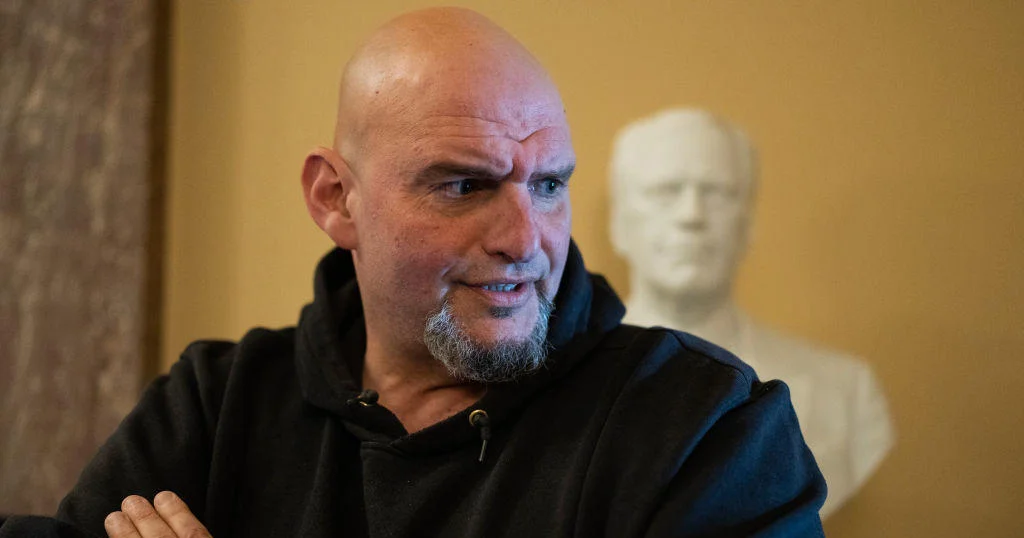
In recent revelations regarding the conduct of Sen. John Fetterman (D-PA), text messages obtained from internal communications suggest a contentious relationship between the senator and his responsibilities. Reports indicate that Fetterman has shown reluctance in actively fulfilling key duties of his office, including meeting constituents and attending significant events. This issue has sparked substantial criticism from both colleagues and constituents, highlighting concerns about his engagement in Senate activities.
| Article Subheadings |
|---|
| 1) Unconventional Conduct of a Senator |
| 2) Details from Internal Communications |
| 3) Response from Colleagues |
| 4) Fetterman’s Background and Electoral Journey |
| 5) Implications for Future Political Alliances |
Unconventional Conduct of a Senator
Sen. John Fetterman has garnered attention not only for his policies but also for his unusual approach to his role in the Senate, diverging from traditional expectations. The Pennsylvanian Democrat has been scrutinized for his public appearances and involvement in legislative processes since his election. While he has positioned himself as a reformist figure advocating for progressive policies, his engagement in fundamental responsibilities such as meeting with constituents and attending legislative events appears to have waned, raising questions about his commitment to serving his constituents.
This ongoing scrutiny comes at a time when voters expect their elected officials to be accessible and active participants in the legislative dialogue. Given the important role senators play in shaping legislation and representing their state, Fetterman’s perceived disengagement has created a rift between the senator and various stakeholders in Pennsylvania. This issue is compounded by the fact that he won his seat following a tough campaign that involved a significant health challenge, leading many to question whether his priorities have shifted since taking office.
Details from Internal Communications
Recent reports from the Wall Street Journal have unveiled a series of text messages between Fetterman and his staff that depict a troubling trend in the senator’s approach to his duties. Various messages reflect Fetterman’s unwillingness to engage in important activities such as meeting constituents, attending briefings, or participating in remembrance events. For instance, records indicate that Fetterman expressed reluctance to meet with a group of paralyzed military veterans, even suggesting illness as a reason to avoid the meeting, while instead opting to appear on a television program.
In another communication, Fetterman questioned the necessity of engaging with representatives from a children’s hospital, dismissively commenting on their concerns about vaccines and Medicaid cuts. This exchange exemplifies a pattern where pressing issues concerning public health and welfare seem to take a backseat to the senator’s personal priorities. Subsequently, when approached on matters of significant public concern, Fetterman’s responses appear to reflect a lack of urgency or empathy, raising alarms among constituents about his priorities.
Response from Colleagues
The reported behavioral tendencies of Fetterman have not gone unnoticed by his colleagues, some of whom have voiced strong criticism toward the senator. Democratic Representatives Chris Deluzio and Brendan Boyle have publicly condemned Fetterman’s actions and performance, labeling them as indicative of a broader disregard for responsibility. Deluzio expressed his disdain by stating that Fetterman’s “pathetic behavior” reflects a lack of sense of duty that should be inherent in a senator’s role. Boyle went further in his critique, calling Fetterman a “lazy trust fund baby,” highlighting a sentiment among some lawmakers that his approach to public service is detachment from the fundamental expectations associated with the position.
This backlash has been significant within the Democratic Party, which has historically emphasized accountability and connection with voter issues. Critics argue that representatives should maintain a standard of addressing pressing matters and being present during community crises, such as attending funerals for first responders or engaging with constituents in their districts. Fetterman’s actions, as described in these reports, suggest a troubling gap in public representation and could have lasting implications for his support within the Democratic base.
Fetterman’s Background and Electoral Journey
A notable figure in Pennsylvania’s political landscape, John Fetterman emerged from unconventional roots, characterized by a distinct sense of style often depicted through his appearance. Elected to the Senate in 2022, Fetterman’s campaign was marked by his effective alignment with progressive ideologies, which resonated with a significant segment of the Democratic electorate. His path to the Senate included not only a successful primary campaign but also a hard-fought general election against Republican nominee Mehmet Oz, which Fetterman won even after facing the challenge of recovering from a stroke shortly before the election.
Fetterman’s background as the former lieutenant governor and his unique position among his peers as a progressive voice positioned him well within the party. However, his recent criticisms from fellow Democrats reflect a growing concern about his alignment with party values and expectations. Despite having once successfully appealed to a wide range of voters, his current stance raises the possibility of a rift forming not just with constituents but also within the party, impacting his standing and influence over time.
Implications for Future Political Alliances
The controversies surrounding Fetterman are not merely personal; they could have broader implications for his political future and potential alliances within the Senate and the Democratic Party. Observers speculate that his reluctance to fulfill traditional roles may embolden critics who question his commitment to the party and the constituents he represents. His history of politically charged statements and actions—including support for controversial decisions—could further alienate him from progressive factions that previously supported him.
Fetterman’s assertion that he would not consider switching to the Republican Party reinforces this notion of political identity, complicating both his current standing within the Democratic Party and his ability to navigate relationships moving forward. Should tensions escalate among party members, his political future could hinge on his capacity to reconcile these growing fissures or adapt to the expectations placed upon him as a member of the Senate.
| No. | Key Points |
|---|---|
| 1 | Sen. John Fetterman has been accused of neglecting key responsibilities in his Senate role. |
| 2 | Internal messages reveal Fetterman’s reluctance to engage with constituents. |
| 3 | Fellow Democrats have publicly criticized Fetterman for his behavior and disengagement. |
| 4 | Fetterman’s election campaign portrayed a progressive image despite recent criticisms. |
| 5 | Speculation rises about Fetterman’s future political alliances given his current stance. |
Summary
The issues raised regarding Sen. John Fetterman shed light on significant gaps between public expectations and the actions of elected officials. As the senator faces mounting criticism from both constituents and colleagues, the accountability of representatives remains paramount. Fetterman’s actions will undoubtedly continue to shape his political future and relationships within the Democratic Party, raising important questions about public service, representation, and the responsibilities inherent to a Senate role.
Frequently Asked Questions
Question: What specific duties has Sen. Fetterman neglected?
Reports indicate that Sen. Fetterman has declined to meet with constituents, attend significant events, and engage in discussions pertinent to public interests, particularly concerning health and safety.
Question: How have fellow politicians reacted to Fetterman’s behavior?
Colleagues such as Democratic Reps. Chris Deluzio and Brendan Boyle have expressed strong criticism, labeling Fetterman’s conduct as indicative of a lack of commitment and duty as a senator.
Question: What are the implications of Fetterman’s current actions for his political future?
Fetterman’s ongoing disengagement could lead to a loss of support among constituents and party members, potentially affecting future alliances and his overall political trajectory.