
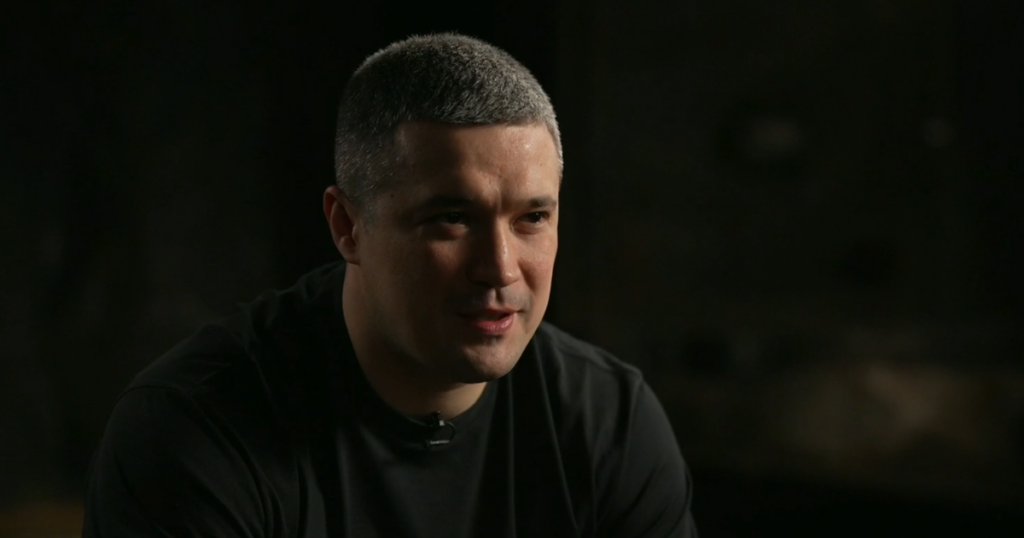
In a recent exclusive interview, Mykhailo Fedorov, the former Ukrainian defense minister known for shaping Ukraine’s modern military tactics, discussed the ongoing conflict with Russia. Fedorov characterized the struggle as a “technological war,” highlighting the rapid advancements being made by both sides. His removal from office amid internal disputes sparked widespread protests, demonstrating significant public sentiment regarding leadership decisions during a time of crisis.
| Article Subheadings |
|---|
| 1) Fedorov’s Vision of a Technological War |
| 2) Dismissal Sparks Public Outcry |
| 3) Recent Developments in Ukraine’s Military Strategy |
| 4) The Role of Public Support in Political Decisions |
| 5) Looking Ahead: Fedorov’s Future and Ukraine’s Recovery |
Fedorov’s Vision of a Technological War
Mykhailo Fedorov, a pivotal figure in Ukraine’s defense strategy, asserts that the current conflict with Russia is fundamentally a “technological war.” This assertion emphasizes the importance of innovation and adaptive tactics in military operations. According to Fedorov, “We need to defeat Russia in every technological cycle, and we have to make decisions 24/7.” With a background as a former tech entrepreneur, Fedorov advocates for continuous innovation in military technology, believing it to be vital for Ukraine’s resistance against a larger adversary. He underscores an ongoing competition in technological advancements where both nations are rapidly evolving.
Since the outset of the conflict, Ukraine has made significant strides in incorporating advanced technologies into its military strategy, particularly focusing on drones and robotic systems. Fedorov’s insights highlight the importance of agility and speed in decision-making processes, suggesting that the faster Ukraine can adapt and respond to Russian strategies, the more successful it will be in repelling the invasion. He stresses the need for relentless effort and innovation as keys to sustaining Ukraine’s defense.
Dismissal Sparks Public Outcry
Fedorov was relieved of his duties by Ukrainian President Volodymyr Zelenskyy in mid-July under contentious circumstances. The decision was reportedly influenced by an irreconcilable feud between Fedorov and Oleksandr Syrskyi, the chief military commander. This unexpected dismissal ignited protests across the nation, indicating strong public support for Fedorov and widespread dissatisfaction with the decision-making process within the government. Many demonstrators viewed Fedorov’s innovative leadership as essential to Ukraine’s war efforts and feared that his removal might hinder military progress.
In the face of protests, President Zelenskyy later dismissed Syrskyi, suggesting potential shifts in military leadership amidst growing public sentiment regarding accountability in governance. As the situation evolves, it becomes increasingly apparent that public opinion plays a critical role in shaping political decisions, especially in war times, where leadership continuity can significantly impact morale and national strategy.
Recent Developments in Ukraine’s Military Strategy
Under Fedorov’s guidance, Ukraine’s military strategy underwent significant transformations, notably enhancing deep strike capabilities into Russian territory and bolstering its domestic arsenal. Those changes included the development and deployment of advanced missile systems, marking Ukraine’s proactive approach to countering the larger Russian military. Just recently, Ukraine effectively targeted a Russian space agency facility in Samara, utilizing Ukrainian-produced Flamingo missiles to strike a site located over 560 miles from the border.
Earlier this year, additional advancements materialized with a Ukrainian defense technology company successfully testing a ballistic missile, which has raised expectations about future operational capabilities. Fedorov stated his optimism about the timeline for deploying Ukrainian-made ballistic missiles for strikes within Russia, projecting readiness within a three to six-month time frame. Despite these advancements, Ukraine still faces challenges, particularly in intercepting Russian missile strikes, necessitating a sharper focus on developing robust air defense systems.
The Role of Public Support in Political Decisions
Fedorov’s reflections on the protests following his dismissal underline a vital aspect of current politics in Ukraine—the public’s connection to military leadership. He suggested that the protests are a clear demonstration of the Ukrainian people’s commitment to democratic values and their desire for accountable governance. Recognizing the critical role that public opinion plays, Fedorov emphasized that such expressions of grassroots support reflect not only loyalty to individual leaders but also a broader commitment to Ukraine’s fight for freedom.
Within the context of a war, the requirement for strong leadership becomes even more pronounced. The public’s support for officials like Fedorov signifies a demand for clarity and assurance regarding the direction of the country’s military and political strategies. As military and civilian leadership strategies intertwine, the necessity to heed public sentiment becomes an integral factor in decision-making processes, particularly in shaping the narrative around the ongoing conflict.
Looking Ahead: Fedorov’s Future and Ukraine’s Recovery
Despite his recent removal, Fedorov’s commitment to Ukraine remains steadfast. He has not dismissed the possibility of returning to public office, although he refrained from making definitive statements regarding his future in government. Notably, he conveyed that his focus is now directed towards ending the war and contributing to the rebuilding of Ukraine. His experiences as a defense minister and recent public support suggest that there may still be a role for Fedorov in shaping Ukraine’s path post-conflict.
As Ukraine continues to navigate the complexities of war and recovery, the government will likely face the challenge of reconciling military needs with public expectations. The ongoing conflict has exposed vulnerabilities but simultaneously ignited innovation and a sense of national unity. Fedorov’s future endeavors will undoubtedly contribute to discussions about rehabilitation and rebuilding, both militarily and socially, as Ukraine forges ahead into an uncertain yet hopeful future.
| No. | Key Points |
|---|---|
| 1 | Mykhailo Fedorov emphasizes the conflict as a technologically driven war. |
| 2 | Fedorov’s dismissal led to widespread protests indicating public support. |
| 3 | Ukraine has recently demonstrated enhanced military capabilities, targeting deep inside Russian territory. |
| 4 | Public sentiment and grassroots support play crucial roles in shaping political decisions related to the war. |
| 5 | Fedorov remains committed to Ukraine’s future and has a potential vision for rebuilding. |
Summary
Mykhailo Fedorov’s recent commentary sheds light on the evolving dynamics of the Ukraine-Russia conflict, highlighting the importance of technological superiority and public support in wartime leadership. His insights emphasize that Ukraine’s advances in military technology remain pivotal to its defense strategy. As the nation grapples with the consequences of current political shifts, the public’s engagement and commitment to democratic values will continue to shape the broader narrative of Ukraine’s struggle and resilience against aggression.
Frequently Asked Questions
Question: What was Mykhailo Fedorov’s role in Ukraine’s military strategy?
Mykhailo Fedorov served as the defense minister of Ukraine, where he was instrumental in developing modern military tactics and strategies, emphasizing advancements in technology such as drones and missiles to counteract Russian aggression.
Question: Why was Fedorov dismissed from his position?
Fedorov was dismissed due to an unresolved conflict between him and the chief military commander, Oleksandr Syrskyi. His removal, under contentious circumstances, led to significant public protests in support of his leadership.
Question: What future developments are suggested in Ukraine’s military capabilities?
Fedorov has indicated that Ukraine is working towards deploying new ballistic missile systems capable of striking targets within Russia, signaling a commitment to advancing its military technology in response to ongoing threats.