
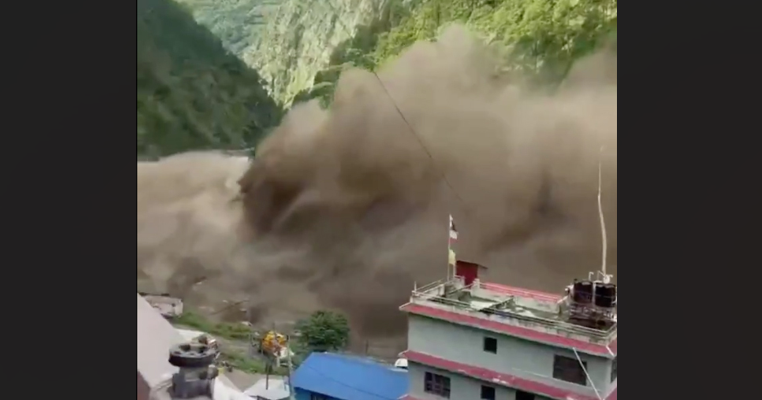
At least 160 individuals have perished in Nepal following catastrophic flash flooding that affected border regions with Tibet, leaving hundreds of people, primarily foreigners, reported missing. The flooding, attributed to the collapse of a glacier, caused extensive damage, devastating communities and destroying infrastructure. As rescue operations proceed, concerns grow for the safety of those unaccounted for, prompting international responses and aid offers.
| Article Subheadings |
|---|
| 1) Overview of the Disaster and Casualties |
| 2) Impact on Local Communities |
| 3) Causes Behind the Flash Flooding |
| 4) Rescue and Relief Efforts |
| 5) International Response and Assistance |
Overview of the Disaster and Casualties
Nepal’s recent flash floods have left a trail of destruction, claiming at least 162 lives as confirmed by the Nepali police. The floods have not only resulted in fatalities but have also led to hundreds of individuals being reported missing, a significant number of whom are believed to be foreign tourists visiting the region. Initial reports indicate that amongst the missing are nationals from countries such as the United States, Australia, Canada, Germany, Malaysia, and Israel, with the Nepal Tourism Board noting that 341 foreign nationals are unaccounted for. This tragic incident has raised alarms internationally as people await news of their loved ones caught in the disaster.
Impact on Local Communities
The floods have had a devastating impact on local communities, obliterating entire villages and causing significant infrastructural damage. Reports indicate that key facilities such as roads, bridges, and power plants have suffered catastrophic destruction. As relief efforts begin to take shape, communities are grappling with the loss of their homes, livelihoods, and the very fabric of their daily lives. David Fisher, head of delegation for the International Red Cross in Nepal, emphasized that entire villages have disappeared, highlighting the urgency of the situation. Furthermore, the flooding has disrupted the critical commercial artery between Nepal and China, further complicating the situation for families dependent on this for their income.
Causes Behind the Flash Flooding
The flash floods were primarily triggered by the collapse of a glacier, contrary to initial allegations that suggested an earthquake had triggered landslides, thereby blocking the Bhote Koshi River. Subsequent analysis from the United States Geological Survey clarified that no seismic activity had occurred; rather, the event stemmed from a glacial collapse and debris flow. This clarification sheds light on the growing concerns regarding climate change and the impact of melting glaciers in the Himalayan region, affecting not only local ecosystems but also the safety of surrounding communities.
Rescue and Relief Efforts
Rescue operations are currently underway, although challenging terrain and the nature of the disaster have hindered access to affected areas. Helplessness reigns in regions such as Syapru Besi and Timure, where helicopters are unable to land directly due to the destruction. Authorities, however, remain committed to using aerial support to locate and rescue survivors. As local, national, and international agencies mobilize resources, the focus remains on locating the missing, providing shelter, food, and medical assistance to those in need. The need for coordinated relief efforts is critical, as many are still trapped or unaccounted for amid the chaos.
International Response and Assistance
The international community has begun to respond to the disaster, with various countries offering assistance and expressing condolences for the victims. The United States, through its Department of State, announced a commitment of $500,000 in humanitarian aid, aimed at supporting emergency shelter, relief items, and essential services such as water and sanitation for affected communities. U.S. officials are collaborating with local authorities to ensure the safety and assistance of American citizens in the region. Meanwhile, neighboring India’s government has placed authorities in states along the Nepal border on high alert, ready to assist in any capacity necessary.
| No. | Key Points |
|---|---|
| 1 | At least 160 confirmed dead due to flash flooding in Nepal. |
| 2 | Hundreds of individuals, primarily foreign tourists, reported missing. |
| 3 | Flash floods caused by glacial collapse, not an earthquake. |
| 4 | Rescue operations face challenges due to destroyed infrastructure. |
| 5 | International aid has begun flowing to assist in recovery efforts. |
Summary
The recent flash floods in Nepal represent a significant human tragedy, highlighting the vulnerability of communities in mountainous regions to natural disasters exacerbated by climate change. With the loss of lives and countless people missing, the path to recovery will necessitate a substantial and coordinated effort among local, national, and international entities. As the situation unfolds, the world watches and awaits developments, hoping for swift action to aid those impacted by this disaster.
Frequently Asked Questions
Question: What caused the flash flooding in Nepal?
The flash floods were caused by the collapse of a glacier in the region, leading to severe debris flow that overwhelmed local infrastructures.
Question: How many people are reported missing due to the flooding?
As of the latest reports, approximately 341 foreign nationals are listed as missing, including many tourists traveling within the affected areas.
Question: What kind of assistance is being provided to the victims?
International aid, including financial support, shelter, and essential services like food and sanitation, is being provided to assist victims affected by the flooding.