
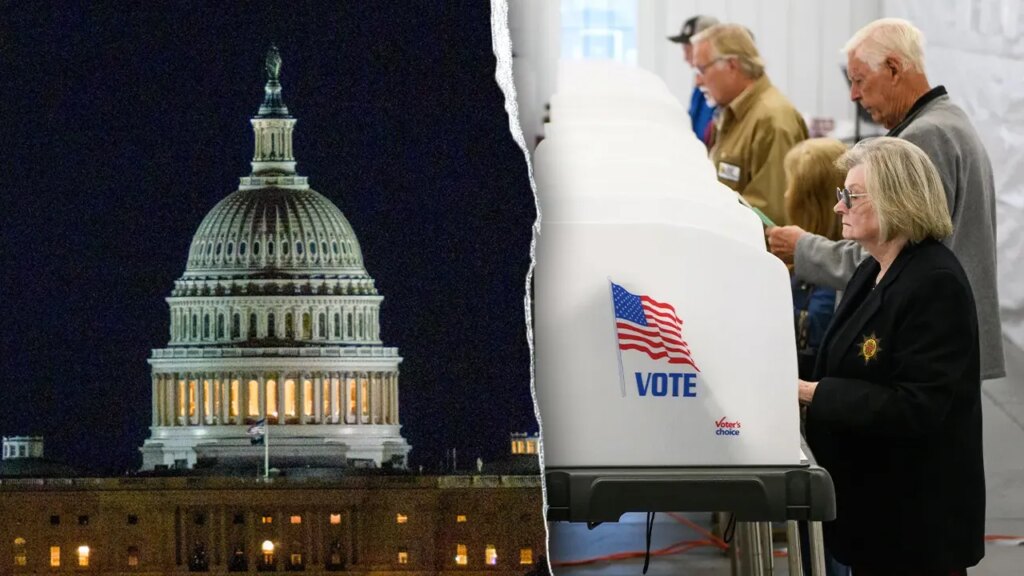
In the run-up to the midterm elections, political analyst Erick Erickson has sharply criticized both major political parties in the United States for delivering a disappointing pool of candidates to voters. He highlights a troubling trend in which candidates from both sides exhibit unethical behavior while party loyalty forces voters to choose the lesser of two evils. The disillusionment among the electorate, fueled by extreme political rhetoric and hypocrisy, poses significant challenges for voter turnout and engagement.
| Article Subheadings |
|---|
| 1) The Flaws in Major Political Parties |
| 2) Politicians’ Ethical Challenges |
| 3) The Impact of Disillusionment on Elections |
| 4) The Rise of Extremist Candidates |
| 5) Consequences for the Political Landscape |
The Flaws in Major Political Parties
In recent commentary, Erick Erickson spotlighted the growing dissatisfaction among voters bred from the quality of candidates presented by both the Democratic and Republican parties. His assertion articulates a common sentiment that voters are left with less than appealing options during elections, leading to a perception that “both sides serve up a crap sandwich.” Erickson argues that the political climate has evolved into a cycle of making voters settle for flawed candidates due to a perceived threat from the opposing party.
Political allegiances often hinder voters’ ability to make informed choices. Many individuals feel pressured to support unworthy candidates solely because they identify with their party affiliation. This situation is troubling for democracy, wherein voters’ values and preferences seem to be overshadowed by party loyalty.
Politicians’ Ethical Challenges
The ethical lapses of politicians have become increasingly scrutinized, as seen in the case of Chuck Edwards, a North Carolina Congressman. Despite allegations of fostering a hostile work environment and engaging in sexual harassment, he initially had support from party officials until a House ethics committee recommended censure for his inappropriate actions toward female staffers. The gifts he lavished on them, which included items like designer purses and luxury vacations, fueled public outrage and further damage to his candidacy.
Similarly, the political landscape has not been forgiving toward the Democratic candidate, Graham Platner, whose offensive tattoo and past allegations became notable points of contention. His supporters, including prominent figures like Elizabeth Warren and Bernie Sanders, were initially silent until more damning information emerged, such as allegations of sexual assault against him. This double standard raises questions about accountability and moral integrity in political candidates and showcases the hypocrisy endemic in contemporary politics.
The Impact of Disillusionment on Elections
As disillusionment grows within the electorate, the risk of lower voter turnout in the midterm elections becomes a pressing concern. Studies indicate that if potential voters perceive candidates as corrupt or untrustworthy, they might choose to abstain from participating in the electoral process altogether. With many feeling that their choices do not represent their values, the motivation to vote diminishes. This drop in participation can significantly skew election outcomes.
Polls suggest that independent voters are increasingly dissatisfied, which could translate into unpredictable election results. The political elite, pointing to challenges facing traditional candidates in appealing to a broad base, risks alienating these essential voters. Veteran political analyst Charlie Cook observes that independents are often fickle, responding swiftly to perceived missteps from their elected officials, which can result in a quick shift in political allegiance.
The Rise of Extremist Candidates
The trend of extreme candidates becoming prominent in political races raises concerns regarding the future direction of both parties. Figures like Abdul El-Sayed, a Democratic Senate nominee in Michigan who has made controversial statements, exemplify this shift. Previously inconsequential ideologies are gaining traction within major party platforms. This is evident in far-left candidates showcasing radical viewpoints that, only years prior, would have been considered fringe.
Republican candidates are not exempt, as seen with Ken Paxton, who faced impeachment from his own party yet continues to hold a position of influence. The normalization of extremist views complicates the political discourse and raises ethical considerations as both parties grapple with their identities. Many see this fostering of divisive rhetoric as detrimental to the core tenets of democracy, where cooperation and dialogue should ideally prevail.
Consequences for the Political Landscape
The ramifications of the current political climate extend beyond mere dissatisfaction with candidates to a broader crisis of political identity and purpose. Erick Erickson highlights that a toxic atmosphere of political discourse, filled with animosity and selective outrage, creates a significant barrier to any meaningful discussion or compromise.
In addition, the growing animosity contributes to a fracturing public discourse, wherein fact becomes secondary to partisanship. Social media platforms amplify this divisive sentiment, creating echo chambers that only serve to further entrench individuals in their beliefs. As both sides remain entrenched, the ability to work together decreases, leaving the electorate frustrated and yearning for more moderate and principled leadership.
| No. | Key Points |
|---|---|
| 1 | Both Democratic and Republican parties are criticized for failing to deliver trustworthy candidates. |
| 2 | Ethical breaches among candidates from both parties have begun to resonate poorly with voters. |
| 3 | Disillusionment poses serious risks to voter turnout in upcoming elections. |
| 4 | An increase in extremist candidates denotes a significant ideological shift within the major parties. |
| 5 | The current political climate presents challenges to civil discourse and collaboration. |
Summary
As the midterm elections approach, the mounting frustration with major political parties and their candidates reflects a deep-seated disillusionment among voters. The ethical controversies surrounding candidates from both parties create an imperative for accountability and integrity that remains largely unfulfilled. Ultimately, the widening divide in American politics, characterized by increased extremism and selective outrage, threatens not only the electoral outcomes but also the very foundations of democratic governance.
Frequently Asked Questions
Question: What issues are influencing voter discontent in the upcoming midterm elections?
Voter discontent is largely influenced by perceptions of corruption and ethical breaches among candidates, alongside the growing polarization and extremism in political discourse.
Question: How does political loyalty affect voter decision-making?
Political loyalty often forces voters to select candidates who may not align with their personal values or principles, leading to dissatisfaction with the electoral choices available.
Question: What impact does voter turnout have on midterm elections?
Voter turnout is crucial in midterm elections, as lower participation rates can skew results in favor of candidates who may not represent the broader electorate, thereby affecting legislative priorities and governance.