
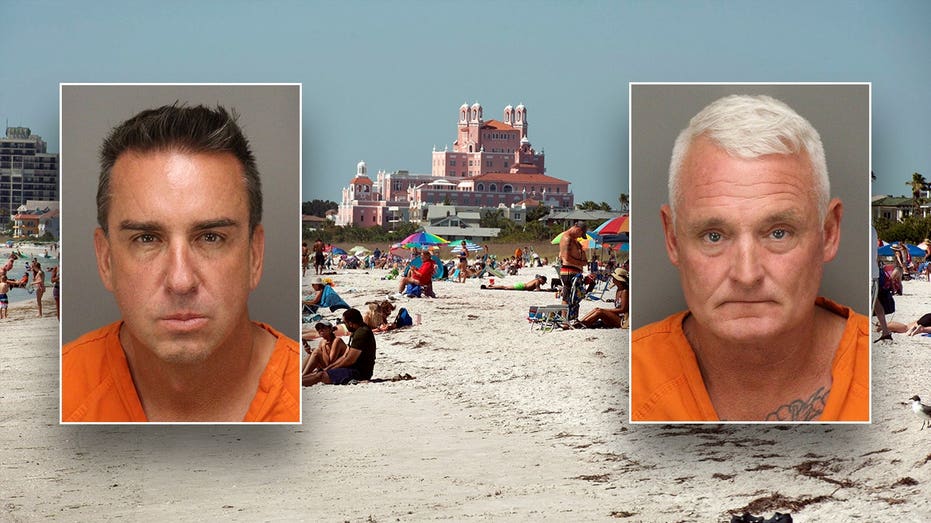
Two Florida business owners have been charged after authorities alleged they scattered about 1,500 mothballs on St. Pete Beach to discourage endangered black skimmers from nesting. Investigators said the mothballs were placed behind businesses after the owners feared a nesting colony could reduce customer access and revenue. The men face felony and misdemeanor charges, and both have been released on bond.
The mothballs were discovered in late April, prompting Florida wildlife officers and Audubon Society volunteers to remove them from the sand. Officials said the pesticide-containing products posed risks to children and wildlife and delayed the birds’ nesting activity.
Investigators used surveillance footage, purchase records, cellphone data and seized communications to identify the alleged suspects. Authorities said the birds were not believed to have been injured, but the delay could affect whether young birds leave the nest before the end of hurricane season.
| 1) | Mothballs found at a threatened nesting site |
| 2) | Investigation traces the alleged dumping |
| 3) | Business concerns and alleged communications |
| 4) | Charges and potential penalties |
| 5) | Risks to black skimmers and nesting success |
Mothballs found at a threatened nesting site
Beachgoers reported seeing small white mothballs on the sand at St. Pete Beach in St. Petersburg, Florida, in late April. Officers with the Florida Fish and Wildlife Conservation Commission and volunteers from the Audubon Society removed approximately 1,000 of the objects from the area behind the Plaza Beach Hotel.
About 500 additional mothballs appeared overnight. The location was an area where black skimmers, an imperiled shorebird that nests directly on beaches, were attempting to establish a colony. Officials said the objects could expose children, birds and other wildlife to pesticide vapors or direct contact.
Investigation traces the alleged dumping
The discovery prompted public concern and a formal investigation by wildlife authorities. Officers served search warrants, reviewed terabytes of data and seized cellphones while attempting to determine who had placed the mothballs and whether the birds had been deliberately targeted.
Investigators said surveillance footage and purchase records showed Robert Czyszczon, the owner of the Plaza Beach Hotel, spent about $60 on a large quantity of mothballs at a Walmart the day before the first items appeared. Cellphone tower data allegedly placed Czyszczon’s phone and the phone of Christopher Monroe, owner and manager of Chris’s Beachside Bar, at the same location on both nights when the mothballs were found.
Business concerns and alleged communications
Authorities alleged that Czyszczon and Monroe discussed preventing black skimmers from nesting behind their businesses. Investigators said the men were concerned that protective fencing around a nesting area would limit access for beachgoers and reduce business activity during nesting season.
“They’re the worst birds,” one of the men allegedly wrote in a text, according to wildlife officials.
Another alleged message referred to potential losses of $25,000 to $50,000. Officials said the communications, together with the purchase records and location data, helped establish the case against the two business owners. The allegations have not been tested at trial.
Charges and potential penalties
Czyszczon and Monroe were charged with illegal dumping, a third-degree felony, according to Pinellas County court records. They were also charged with the attempted take of a state-listed imperiled species by harassment, a misdemeanor, according to wildlife officials.
If convicted of the felony charge, each man could face up to five years in prison, fines of up to $5,000 and up to five years of probation. Both men were released on bond. An attorney for Czyszczon did not respond to a request for comment, while court records indicated that Monroe did not have an attorney and could not be reached.
Risks to black skimmers and nesting success
Black skimmers create shallow depressions in beach sand by kicking the sand backward, then lay eggs and raise their young near the surf. Florida has about 6,800 black skimmers, with several hundred estimated to live on beaches in Pinellas County.
Wildlife officials said the birds were probably not physically injured by the alleged harassment, but their nesting was delayed. A later nesting schedule can leave young birds vulnerable if they have not fledged before hurricane season ends on November 30. Officials warned that a major storm late in the season could destroy an entire colony containing birds that remain in the nest.
| Number | Key Point |
|---|---|
| 1 | About 1,500 mothballs were found on St. Pete Beach. |
| 2 | Two business owners face illegal dumping and wildlife harassment charges. |
| 3 | Officials said the products posed risks to people and wildlife. |
| 4 | The alleged conduct delayed black skimmer nesting. |
Summary
The case highlights the conflict between beach commerce and protections for imperiled shorebirds. Authorities allege that two business owners tried to influence where black skimmers nested by placing pesticide-containing mothballs on the sand. The charges remain allegations, but officials say the conduct delayed nesting and could have endangered young birds if severe weather arrived before they fledged.
Frequently Asked Questions
What happened on St. Pete Beach?
About 1,500 mothballs were allegedly scattered on a beach area where black skimmers were attempting to establish a nesting colony.
Who was charged?
Robert Czyszczon and Christopher Monroe, two local business owners, were charged in connection with the alleged dumping.
What penalties could they face?
Each man could face up to five years in prison, a fine of up to $5,000 and up to five years of probation if convicted of the third-degree felony charge.
Were the birds injured?
Wildlife officials said the birds probably were not physically injured, but the alleged harassment delayed nesting and could increase risks to young birds later in the season.