
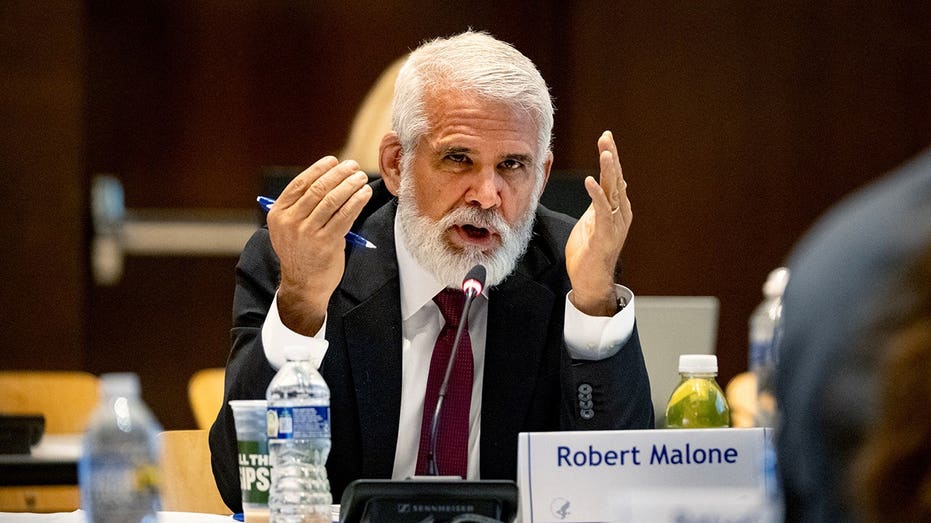
U.S. kindergarten vaccination coverage declined by 0.1% during the 2025-2026 school year, according to recently released CDC data. The figures also showed an increase in parents claiming vaccine exemptions for their children. Former ACIP vice chair Robert Malone said the change does not represent a major public health threat, although he acknowledged a small increase in skepticism about childhood vaccines. He also emphasized that vaccination remains the most effective protection against measles.
| 1) | CDC data shows a modest kindergarten vaccination decline |
| 2) | Former ACIP vice chair says the figures are not alarming |
| 3) | Global measles activity adds context to the debate |
| 4) | Trust in public health remains a concern |
| 5) | Vaccination continues to be the key protection against measles |
CDC data shows a modest kindergarten vaccination decline
The CDC released its data on Monday for children entering kindergarten during the 2025-2026 school year. The report found that vaccination coverage fell by 0.1% compared with the previous year, while the number of parents seeking exemptions increased. The figures concern routine childhood immunizations required or recommended for school-age children across the United States.
The data indicates a small year-over-year change rather than a sharp national collapse in compliance. Coverage varies by jurisdiction, and the report includes an average across the country. The figures have drawn attention because they were released while measles cases are increasing globally.
Former ACIP vice chair says the figures are not alarming
Robert Malone, a physician and former vice chair of the CDC’s Advisory Committee on Immunization Practices, said the decline should not prompt public alarm. He described the national shift as remaining within a low single-digit level of noncompliance with the recommended childhood vaccine schedule.
“The latest CDC data indicates a 0.1% year-in-year decline in the uptake or acceptance of the vaccine schedule among kindergartners. In certain contexts, the average across the United States shows roughly a 1% shift.”
Malone said kindergarten vaccination rates remain high overall and argued that the data does not demonstrate a clear or compelling rejection of childhood immunization by parents. His conclusion was that the change is worth monitoring but does not constitute a major immediate threat.
Global measles activity adds context to the debate
The discussion comes as measles cases rise in countries around the world, including the United States and Canada. Malone said the United States is not the only country experiencing increased measles activity, and that international trends should be considered when assessing the American data.
Measles is highly contagious, making vaccination coverage important for preventing infections and limiting transmission. Malone said the increase in exemptions and the slight decline among kindergarteners should be viewed alongside the broader global situation rather than treated as proof of a uniquely American development.
Trust in public health remains a concern
Although Malone rejected the idea that the kindergarten figures signal an immediate crisis, he said they may reflect growing skepticism among a small segment of the population. He connected that skepticism partly to declining confidence in government and scientific institutions after the COVID-19 pandemic.
Malone cited what he characterized as failures in government communication during COVID-19, as well as continuing controversy involving public health officials and claims about childhood vaccine schedules. He said those disputes may influence some parents, even though overall kindergarten vaccination uptake remains robust.
Vaccination continues to be the key protection against measles
Despite his criticism of pandemic-era communication, Malone said vaccination remains the most effective protection against measles infection. The CDC data therefore presents two issues at once: a small decline in kindergarten coverage and continued high participation in the childhood vaccine schedule.
The immediate question for health officials is how to maintain public confidence and prevent further erosion in coverage. Monitoring exemption trends, communicating accurately about vaccine benefits, and explaining the risks of measles are central to that effort. Malone’s assessment was that the current numbers call for attention, not panic.
| Number | Key Point |
|---|---|
| 1 | Kindergarten vaccination coverage fell 0.1% in the 2025-2026 school year. |
| 2 | Parents claiming vaccine exemptions increased. |
| 3 | Robert Malone said the figures are not a major cause for concern. |
| 4 | Measles cases are rising globally, and vaccination remains the strongest protection against infection. |
Summary
The latest CDC figures show a slight decline in kindergarten vaccination coverage and more exemption claims, but overall compliance remains high. Robert Malone said the figures may indicate limited growth in vaccine skepticism without representing an immediate national threat. Continued monitoring and clear public health communication will be important as measles activity increases worldwide.
Frequently Asked Questions
How much did kindergarten vaccination coverage decline?
CDC data showed a 0.1% decline in vaccination coverage among children entering kindergarten during the 2025-2026 school year.
Who said the decline was not alarming?
Former ACIP vice chair Robert Malone said the change was small and did not represent a major threat.
What is the main protection against measles?
Malone said vaccination remains the most effective protection against measles infection.