
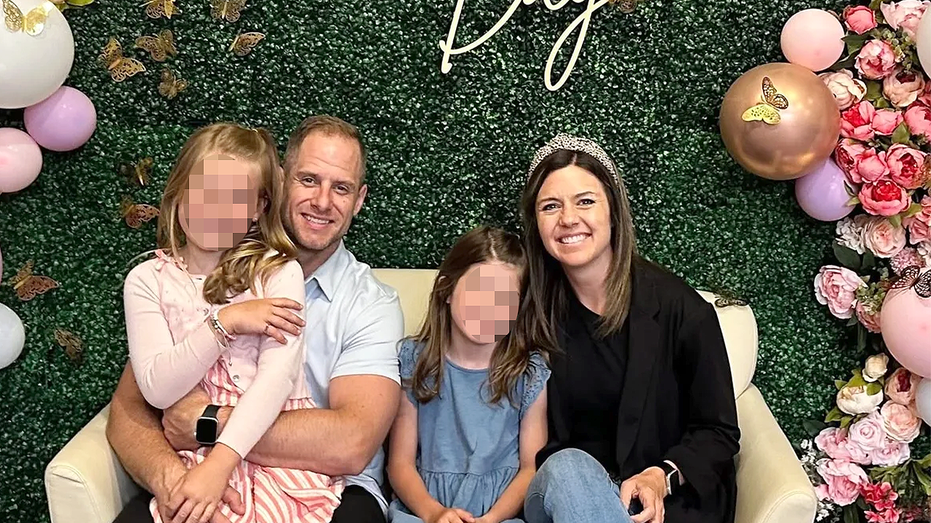
Caleb Flynn, a former American Idol contestant, was convicted Tuesday of murdering his wife, Ashley Flynn, after an Ohio trial focused on an alleged affair and thousands of messages discussing her death. Prosecutors said Flynn shot Ashley inside their Tipp City home in February 2026 and staged the scene to resemble a burglary. The case was largely circumstantial, with no recovered firearm, eyewitness or gunshot residue found on Flynn.
Jurors heard testimony from Alleigha Botner, Flynn’s former mistress, who described their relationship and reviewed communications that prosecutors said showed Flynn discussing ways to kill his wife. Flynn’s defense argued that the state had not proved he committed the crime and highlighted the missing weapon and lack of physical evidence.
| 1) | The conviction and charges |
| 2) | Prosecutors’ account of the killing |
| 3) | Messages and testimony from the former mistress |
| 4) | The defense challenge to the evidence |
| 5) | The trial’s closing phase |
The conviction and charges
Caleb Flynn was convicted Tuesday, September 29, 2026, in an Ohio trial over the death of his wife, Ashley Flynn. He faced nine charges, including one count of aggravated murder, three counts of murder, two counts of felonious assault and three counts of tampering with evidence. Several charges also included firearm specifications, which jurors considered as part of the case.
Flynn had pleaded not guilty to aggravated murder and the other allegations. The verdict followed closing arguments and instructions from Judge Jeannine N. Pratt. The trial centered on whether Flynn was responsible for Ashley’s fatal shooting inside the couple’s Tipp City home in February.
Prosecutors’ account of the killing
Prosecutors alleged that Ashley was shot in the back of the head inside the family home on February 16, 2026. They said Flynn then attempted to make the death appear to have been caused by an intruder by tampering with the scene, including the side garage door and other evidence.
The prosecution’s case did not include an eyewitness to the shooting. Investigators also did not recover the firearm they believed was used, and testimony indicated that no gunshot residue was found on Flynn. Prosecutors nevertheless argued that the circumstances surrounding the death, the alleged staging and Flynn’s communications supported the charges.
Messages and testimony from the former mistress
Alleigha Botner testified for two days about an affair with Flynn that lasted roughly a year and a half. She walked jurors through more than 107,000 messages exchanged between them, including communications prosecutors described as discussions about Ashley’s death.
“If I could literally kill her and not go to hell, I would do it in a heartbeat.”
Botner said Flynn later told her he had stayed awake until 4 a.m. thinking of ways to kill Ashley without going to jail. She also described messages sent shortly before Ashley died. Shortly after midnight on February 16, Flynn allegedly wrote, “It’s happening,” followed later by, “February 16th – day I’ll never forget.” Botner responded, “You’re about to be free,” and Flynn replied, “I choose you.” She testified that she understood those exchanges to mean Flynn planned to leave Ashley and seek a divorce, not kill her.
The defense challenge to the evidence
Flynn’s attorneys argued that prosecutors had not established beyond a reasonable doubt that he killed Ashley. Defense lawyers pointed to the missing firearm, the absence of an eyewitness and the lack of gunshot residue on Flynn as reasons to question the state’s theory.
The defense also accused investigators of rushing to judgment. During closing arguments, defense attorney Patrick Mulligan told jurors, “This simply is proven versus not proven.” The argument sought to distinguish suspicion and circumstantial evidence from proof that Flynn committed the shooting.
The trial’s closing phase
Jurors received the case Tuesday after the attorneys delivered their closing arguments and Judge Pratt provided lengthy legal instructions. Their decision followed testimony about the couple’s relationship, the alleged affair, the messages between Flynn and Botner, and the condition of the Tipp City home after Ashley’s death.
The conviction resolved the central question of criminal responsibility in the trial. The case had drawn attention because Flynn was previously known for appearing on American Idol, while the prosecution focused on allegations involving a private marital conflict, a missing firearm and an attempted staging of the crime scene.
| Number | Key Point |
|---|---|
| 1 | Caleb Flynn was convicted of murdering his wife, Ashley Flynn. |
| 2 | The prosecution alleged the shooting occurred at the couple’s Tipp City home on February 16, 2026. |
| 3 | More than 107,000 messages between Flynn and Alleigha Botner were reviewed in court. |
| 4 | The defense challenged the case because the firearm was not recovered and no eyewitness testified. |
| 5 | Jurors reached their verdict after closing arguments and instructions from Judge Jeannine N. Pratt. |
Summary
The verdict followed a trial built largely on circumstantial evidence, including Flynn’s communications with Botner and prosecutors’ theory that the crime scene was staged. Although the defense emphasized the absence of the weapon, eyewitnesses and gunshot residue, jurors found Flynn guilty after considering the full record presented in court.
Frequently Asked Questions
Who was convicted in the case?
Caleb Flynn, a former American Idol contestant, was convicted of murdering his wife, Ashley Flynn.
When and where did the alleged killing occur?
Prosecutors said Ashley was killed on February 16, 2026, inside the couple’s home in Tipp City, Ohio.
What evidence did prosecutors present?
Prosecutors presented testimony from Alleigha Botner and messages exchanged between her and Flynn, along with their theory that Flynn staged the home to resemble a break-in.
What was the defense’s main argument?
The defense argued that prosecutors had not proved Flynn committed the crime, emphasizing that the alleged firearm was missing, no eyewitness saw the shooting and no gunshot residue was found on Flynn.