
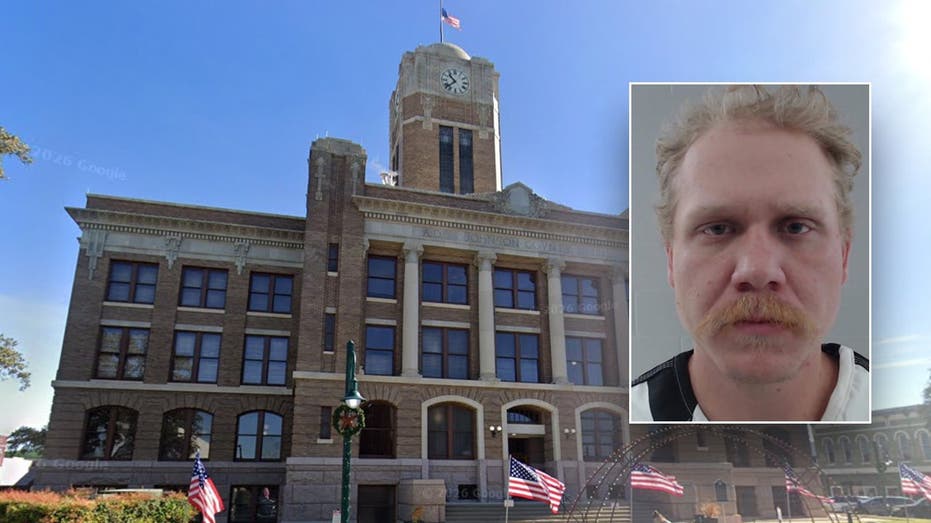
Daniel Joseph Bates, a former reserve officer with the Itasca Police Department, was sentenced to three consecutive life terms after being convicted of possessing child sexual abuse material and soliciting a minor online. Investigators said a search of his digital devices uncovered more than 300 images and videos depicting children being sexually abused. Bates also received a 40-year sentence for online solicitation of a minor. The case was prosecuted in Johnson and Somervell Counties after a civilian decoy alerted authorities to communications with Bates.
| 1) | Sentencing follows convictions |
|---|---|
| 2) | Investigation began with a civilian decoy |
| 3) | Digital evidence and the prosecution case |
| 4) | Bates’s defense and former police role |
| 5) | Community safety and legal outcome |
Sentencing follows convictions
A jury convicted Daniel Joseph Bates on Wednesday, September 2, 2026, in a case handled by the district attorney’s office serving Johnson and Somervell Counties. The convictions involved possession of child pornography and online solicitation of a minor. The court ordered three life sentences connected to the child pornography possession charges to run consecutively, meaning they are to be served one after another, along with a 40-year sentence for solicitation.
The sentencing followed evidence presented about files recovered from Bates’s digital devices. Authorities said the material included more than 300 images and videos of children being sexually abused. The prosecution argued that the evidence showed voluntary possession and viewing, while Bates denied criminal intent and offered another explanation for why the material was in his possession.
Investigation began with a civilian decoy
The investigation began when Arlind Queriman, a civilian who produces video content about people suspected of attempting to solicit minors, communicated with Bates while posing as a 15-year-old girl. Queriman alerted law enforcement after Bates allegedly continued communicating with someone he believed was a minor.
The Texas Rangers became involved after receiving information about the communications. Investigators obtained a search warrant for Bates’s digital devices, and authorities said the subsequent search revealed the files that became central to the prosecution. The case illustrates how a civilian report led to a formal law enforcement investigation and court proceedings.
Digital evidence and the prosecution case
The digital material was processed and presented to the jury during the trial. District Attorney Timothy M. Good said the evidence was exceptionally disturbing and argued that Bates’s conduct demonstrated a serious threat to the community.
“The images and videos that had to be processed and presented to the jury are indescribable in the level of depravity they depict and the degree of deviance of the defendant who voluntarily possessed and viewed those types of images.”
According to prosecutors, the search warrant and the communications with the decoy connected the online solicitation investigation with the files found on Bates’s devices. The evidence was presented to establish both the possession charges and the broader circumstances surrounding the case.
Bates’s defense and former police role
Bates testified that the material was part of a secret investigation into human traffickers. Prosecutors disputed that account, saying he could not substantiate that he was conducting an official police investigation. Authorities also said Bates was a reserve officer rather than a full-time officer and was working security for highway construction when he was arrested.
Investigators said Bates told the person he was communicating with that he carried a gun because he was a police officer. Prosecutors further argued that he attempted to rely on his reserve-officer status to avoid the charges. Assistant District Attorney Christy May said the badge should have been used to protect children, not to shield someone accused of exploiting them.
Community safety and legal outcome
The prosecution described the sentence as a significant public-safety outcome for communities in North Texas. Good said Bates had violated the responsibilities associated with his badge and that the community was safer with him imprisoned. The court’s consecutive life sentences mean Bates is expected to remain in prison for the rest of his life under the terms reported by prosecutors.
“Bates disgraced his badge and violated his oath and became the monster that he was sworn to protect the community from. Our community is safer with Bates serving three consecutive life sentences.”
The solicitation conviction carries the additional 40-year sentence. The case was built from the civilian alert, the Texas Rangers’ investigation, the search of Bates’s devices and testimony presented at trial. Authorities said the convictions and sentence resolved the criminal case described in the district attorney’s statement.
| Number | Key Point |
|---|---|
| 1 | Bates received three consecutive life sentences for child pornography possession. |
| 2 | He also received a 40-year sentence for online solicitation of a minor. |
| 3 | A civilian decoy alerted authorities to Bates’s online communications. |
| 4 | Investigators said more than 300 abusive images and videos were found on his devices. |
| 5 | Bates claimed the material was linked to a secret human trafficking investigation, but prosecutors rejected the explanation. |
Summary
The case against former reserve officer Daniel Joseph Bates ended with three consecutive life sentences and an additional 40-year term. The convictions followed a civilian tip, a Texas Rangers investigation and the discovery of extensive child sexual abuse material on Bates’s digital devices. Prosecutors said his former police role could not justify or excuse the conduct, and the court imposed a sentence intended to keep him in prison for life.
Frequently Asked Questions
Who is Daniel Joseph Bates?
Daniel Joseph Bates is a former reserve officer with the Itasca Police Department who was convicted of possessing child pornography and soliciting a minor online.
What sentence did Bates receive?
He received three consecutive life sentences tied to child pornography possession and an additional 40-year sentence for online solicitation of a minor.
How did the investigation begin?
A civilian decoy posing as a 15-year-old girl alerted authorities after communicating with Bates. The Texas Rangers then obtained a search warrant for his digital devices.
What was Bates’s explanation for the files?
Bates testified that the files were part of a secret investigation into human traffickers. Prosecutors said he was unable to substantiate that he was conducting an official police investigation.