
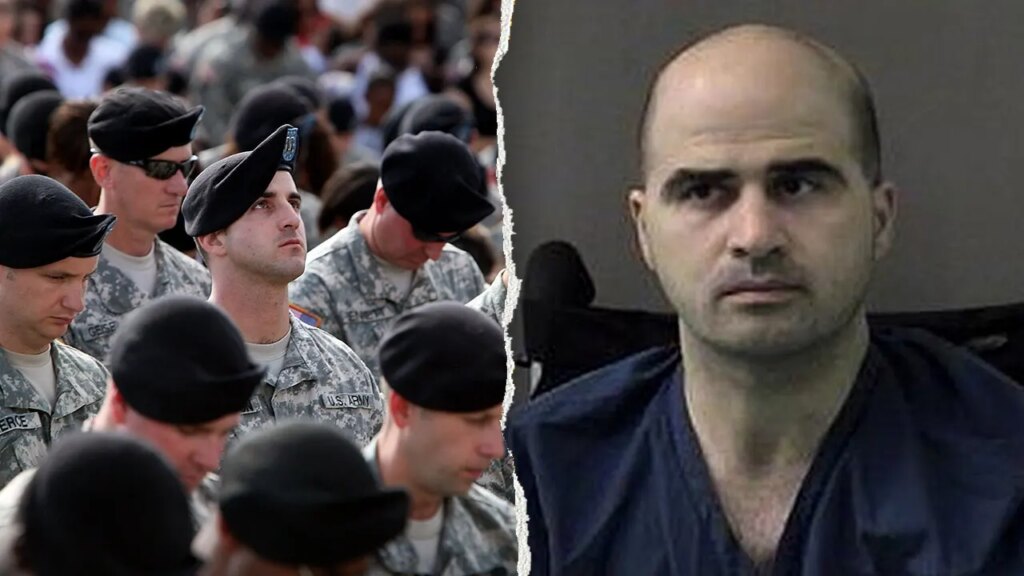
The upcoming execution of Nidal Hasan, the perpetrator of the tragic 2009 Fort Hood shooting, is looming over many survivors and families of victims as a significant yet complex event. Set for December 3, 2026, Hasan will face a firing squad, a decision confirmed by Secretary of War Pete Hegseth. This decision has stirred potent emotions among survivors, particularly Julia Wilson, who was directly affected by the attack and has voiced her discomfort with the idea of broadcasting the execution live to the public. As the date approaches, discussions surrounding the nature of justice, the act of execution, and the implications of public spectacle are becoming increasingly heated.
| Article Subheadings |
|---|
| 1) Survivor Voices Concerns Over Livestreaming Execution |
| 2) Details Surrounding Nidal Hasan’s Crimes |
| 3) The Public’s Reaction to Livestreaming Executions |
| 4) Legal and Ethical Implications of Execution Broadcasts |
| 5) The Call for Reclassification of the Fort Hood Shooting |
Survivor Voices Concerns Over Livestreaming Execution
The decision to livestream Nidal Hasan’s execution has sparked substantial concern among survivors and lawmakers alike. Julia Wilson, who survived the 2009 Fort Hood shooting, articulated her doubts about public viewing of the event. She expressed that she understands the desire for justice but questioned the rationale behind broadcasting the execution. “Why would people want to see that?” Wilson stated, voicing a sentiment that resonates with many who have suffered trauma and loss. The execution of Hasan, whom she aims to confront directly, has become entangled with her discomfort about sharing such a moment with the public. Acknowledging the uniqueness of her perspective as a survivor, Wilson shared, “I’m kind of shocked that they’re going to go so far as to televise it.” Her feelings underscore a widespread debate about the ethics of capital punishment and the public’s role in witnessing it.
Many fear that livestreaming such an event could expose children and sensitive individuals to scenes of violence, adding to the trauma that continues to affect the survivors of the 2009 attack. Wilson recalled her own experiences of horror and disillusionment from that day, emphasizing that the memories remain imprinted in her mind and the minds of others who lived through it. Her concerns highlight the delicate balance of providing justice while safeguarding the emotional well-being of the public.
Details Surrounding Nidal Hasan’s Crimes
On November 5, 2009, Nidal Hasan carried out a devastating shooting during a soldier readiness briefing at Fort Hood, Texas, which resulted in the deaths of 13 people and injured 32 others. At that time, Hasan served as an Army psychiatrist and had been exhibiting troubling behavior leading up to the attack, raising concerns among his colleagues. Following a military court-martial, he was convicted and sentenced to death on August 28, 2013. The case has since been a focal point for discussions about military injuries and the handling of domestic terrorism within the ranks.
As the initial execution date approaches, the feelings of the survivors and the families of the victims remain tense. For Wilson, witnessing Hasan’s execution is a form of closure but does not equate to a resolution of the broader implications of the massacre. Hasan’s actions had devastating consequences that lingered for years, shaping the lives of countless people directly and indirectly affected by the tragedy.
The Public’s Reaction to Livestreaming Executions
The announcement of a potential livestream has elicited varied responses from the public and lawmakers, inciting widespread debate about the morality and appropriateness of public executions. While some support the idea of allowing the public to witness justice being served, many, like Senator Thom Tillis, have condemned the decision as “beyond disgusting.” Tillis commented through a social media platform, reflecting concerns that public executions signify an alignment with oppressive regimes rather than democratic principles.
The societal implications of a televised execution reopen discussions about how the justice system represents itself to the public. Questions surrounding the potential for exploiting suffering for sensationalist entertainment are prevalent. The prospect of a public execution evokes varied emotions, especially from those who have endured traumatic losses. While achieving justice is critical, the method of delivering that justice prompts reflections on human dignity and respect for life.
Legal and Ethical Implications of Execution Broadcasts
The legal and ethical ramifications of broadcasting executions are contentious issues. Opponents argue that such practices may trivialize the gravity of the situation and sensationalize violence. The ethics surrounding capital punishment are debated widely, raising questions about whether the government should treat the lives of individuals as mere spectacle, subject to the entertainment value of a viewing audience. Critics emphasize that human life retains intrinsic value, regardless of the circumstances leading to one’s death sentence.
Furthermore, the legal precedent for broadcasting executions may influence future cases, potentially leading other states or jurisdictions to adopt similar policies. The notion that public execution could become normalized is alarming to many, including survivors like Wilson, who fear a degradation of moral standards and a shift towards a societal acceptance of viewing violence for entertainment.
The Call for Reclassification of the Fort Hood Shooting
One of the most enduring points of confusion and contention surrounding the Fort Hood shooting is the classification of the attack itself. Wilson and other survivors have voiced strong opinions urging the federal government to reclassify the incident as an act of domestic terrorism rather than simply “workplace violence.” They argue that such a move is necessary to ensure accurate historical documentation and recognition of the senseless suffering inflicted on military personnel and their families.
Wilson publicly called for this reclassification in a letter addressed to government leaders, expressing frustration over the government’s response to the attack that plagued so many innocent lives. “We’ve been betrayed by the government for 17 years,” she stated, arguing that the term “workplace violence” undermines the significance of the tragedy and its lasting impact on those who endured it. By framing the incident accurately, they seek acknowledgment for the victims and their families, as well as broader recognition of the issues surrounding national security and terrorism.
| No. | Key Points |
|---|---|
| 1 | Nidal Hasan’s execution is scheduled for December 3, 2026, and will be a firing squad execution. |
| 2 | Survivor Julia Wilson expresses concern over the public livestreaming of the execution, questioning its morality. |
| 3 | Fort Hood shooting in 2009 resulted in 13 deaths and numerous injuries and has been a focal point for debates on domestic terrorism. |
| 4 | Critics argue that broadcasting executions reduces the gravity of violence and may desensitize the public. |
| 5 | There are calls from survivors for the Fort Hood shooting to be recognized as domestic terrorism. |
Summary
As the execution date for Nidal Hasan approaches, the emotional landscape remains fraught with tension, unresolved grief, and complex moral dilemmas. Survivors like Julia Wilson confront deep-seated fears and questions about justice, healing, and the societal implications of broadcasting such a significant event. The broader conversations regarding the classification of retaliatory violence, public exposure to executions, and the nature of justice itself are critical to understanding the psychological and social consequences of the tragedy at Fort Hood. As the nation prepares for this moment, it highlights the need for collective reflection on morality, justice, and healing.
Frequently Asked Questions
Question: What were the circumstances of the Fort Hood shooting?
The Fort Hood shooting occurred on November 5, 2009, when Nidal Hasan opened fire during a soldier readiness briefing, resulting in 13 fatalities and injuries to 32 others.
Question: What is public sentiment regarding the livestreaming of executions?
Public opinion is divided; many express concerns about the morality and potential desensitization from viewing executions, while others advocate for transparency in the justice process.
Question: Why do some advocates want the Fort Hood shooting to be classified as domestic terrorism?
Advocates argue that recognizing the shooting as an act of domestic terrorism would validate the suffering of victims and their families and accurately represent the circumstances surrounding the tragedy.