
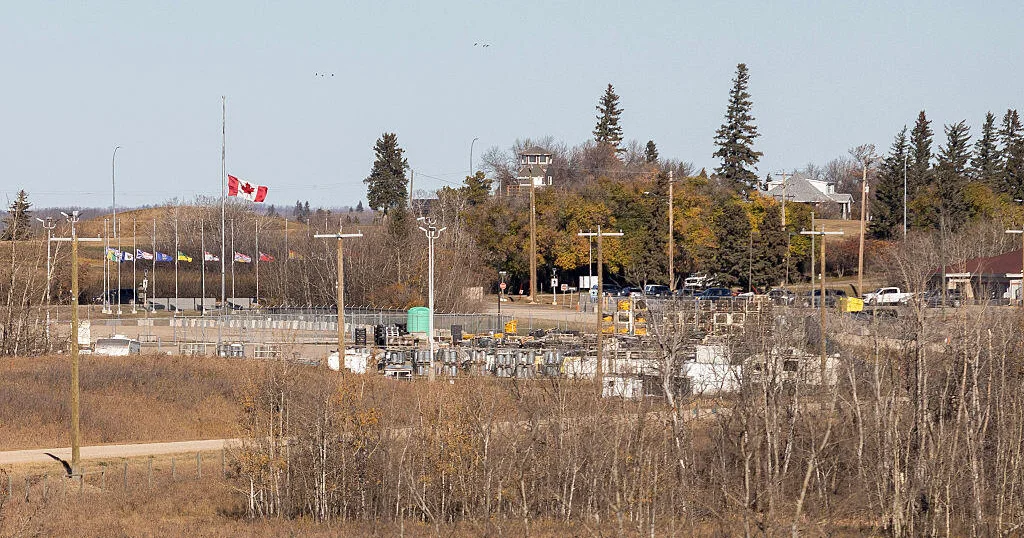
A devastating fire at a military base in Alberta, Canada, resulted in the tragic deaths of four soldiers and left numerous others injured during a training exercise on October 17. The fire ignited on an automatic grenade launcher range at Canadian Forces Base Wainwright, sparking a rapid response from emergency teams as authorities worked to understand the sequence of events that led to the catastrophe. Investigations are ongoing to determine the specific causes and to ensure the safety of personnel in future military operations.
| Article Subheadings |
|---|
| 1) Overview of the Incident |
| 2) Casualties and Injury Statistics |
| 3) Official Reaction and Investigations |
| 4) Training Details and Risk Factors |
| 5) Conclusion and Future Safety Measures |
Overview of the Incident
On October 17, a fire erupted during military training exercises at Canadian Forces Base Wainwright, situated in Alberta, Canada. Authorities reported that the blaze initiated on the automatic grenade launcher range, an area designated for such military drills. Brig. Gen. Vanessa Hanrahan, the Canadian Forces Provost Marshal, stated that the fire began amidst routine military activities. Due to wind conditions, the fire that started within the designated “Permanent Danger Area 2” quickly escalated, hindered firefighters’ immediate response to contain the blaze effectively.
The official timeline revealed that firefighters were initially unable to intervene directly under the assumption that the fire would remain contained. That changed dramatically when later wind shifts allowed the flames to spread uncontrollably, spiraling out of the controlled range to where soldiers were stationed.
Casualties and Injury Statistics
The fire tragically claimed the lives of four soldiers. The individuals identified include Sgt. Morgan Wong from Edmonton, Pvt. Shaun Farrell from Prince Albert, Pvt. Aidan Goulding from North Vancouver, and Pvt. Hayden Lykkemark from Langley. In addition to the fatalities, the Canadian Armed Forces reported injuries to 39 other soldiers, with 27 of those requiring hospitalization following the incident. As of the latest updates, 12 soldiers had been treated and subsequently discharged.
The scale of injuries underscores the ferocity with which the fire spread and the serious risks involved in military training exercises, particularly those involving live fire and explosive ordnance.
Official Reaction and Investigations
In the aftermath of the blaze, Canadian Prime Minister Mark Carney expressed condolences and underscored the severity of the situation. He noted in a press briefing that the fire was propelled by “ferocious winds,” allowing it to jump nearly a kilometer in under a minute, which contributed to the tragic outcomes reported. As a response, about 50 investigators have been deployed to investigate the fire’s origins and the effectiveness of existing safety protocols.
The Canadian Forces National Investigation Service is overseeing the investigation, with support from the Royal Canadian Mounted Police, to ensure a thorough examination of the events that transpired before, during, and after the fire.
Training Details and Risk Factors
At the time of the incident, approximately 84 soldiers from Charlie Company were engaged in live-fire training operations. The exercises were designed to prepare troops for upcoming deployments, including reinforcing Canadian forces stationed in NATO missions abroad, specifically in Latvia. The training involved throwing grenades and simulating enemy attacks, two high-risk activities that necessitate strict safety measures.
Military officials revealed that they had been aware of the fire for several hours but believed it was contained. Despite initial assessments indicating a manageable situation, the sudden wind shift brought unforeseen danger to soldiers who were unaware of the escalating threat. Military leaders are now examining whether procedural changes are warranted to optimize safety during similar exercises in the future and to ensure that all personnel are trained to recognize and react to such environmental changes.
Conclusion and Future Safety Measures
As investigations continue and details emerge regarding the cause of the fire, military leaders and government officials emphasize the necessity of re-evaluating current safety protocols and operational guidelines. The aim is to mitigate the risk of similar tragedies in the future by implementing lessons learned from this incident. Discussions include a comprehensive review of training practices and an assessment of environmental factors that can impact military exercises.
Memorials are expected to be held to honor the fallen soldiers, who paid the ultimate sacrifice while serving their country. Such tragic occurrences serve as a harrowing reminder of the dangers inherent in military operations and the vital importance of safety in training exercises.
| No. | Key Points |
|---|---|
| 1 | A fire at Canadian Forces Base Wainwright killed four soldiers and injured 39 others. |
| 2 | The incident occurred during routine live-fire training exercises. |
| 3 | Investigations are ongoing, with a focus on environmental factors and safety procedures. |
| 4 | Canadian Prime Minister Mark Carney emphasized the need for transparency in the investigation. |
| 5 | The military plans to reassess training protocols to enhance safety and prevent future incidents. |
Summary
The tragic fire at Canadian Forces Base Wainwright serves as a grave reminder of the risks associated with military training, particularly under unpredictable weather conditions. The loss of four brave soldiers not only impacts their families and communities but also raises critical questions about safety measures and protocols that govern military exercises. As the investigation unfolds, it is hoped that lessons learned will lead to improved safety standards ensuring the well-being of all service members.
Frequently Asked Questions
Question: What was the main cause of the fire at Canadian Forces Base Wainwright?
The fire was primarily attributed to a change in wind direction and velocity, which escalated the fire’s intensity and allowed it to spread quickly beyond its initial containment area.
Question: How many soldiers were injured in the fire?
A total of 39 soldiers were injured in the fire, with 27 requiring hospitalization for their injuries.
Question: What are the implications of this incident for military training protocols?
The incident will prompt a thorough review of military training protocols, with a focus on enhancing safety measures and ensuring that troops are well-prepared to react to rapidly changing environmental conditions.