
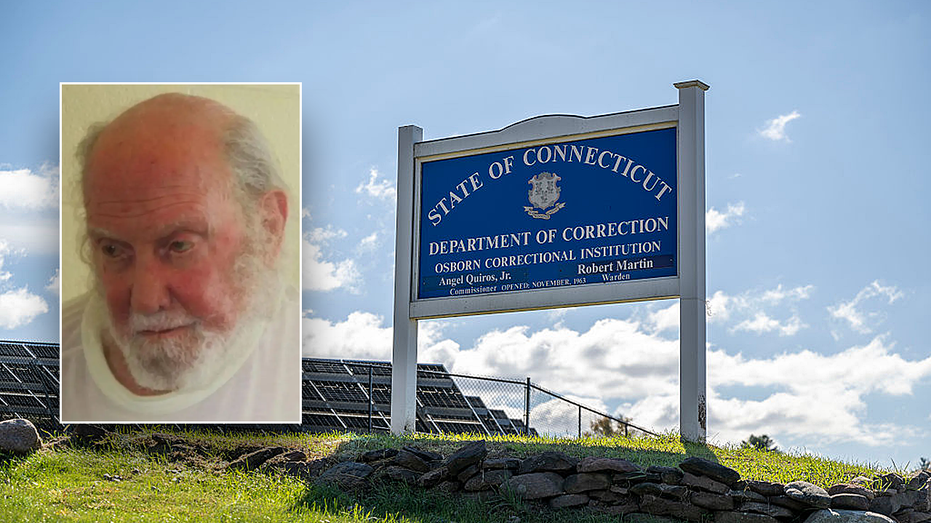
Francis Clifford Smith, believed to have been the longest-serving prisoner in U.S. history, died at age 101 after spending 76 years behind bars. His execution was scheduled eight times after a 1949 murder conviction, but each execution was postponed or prevented. Smith continued to maintain his innocence, while later developments raised questions about the evidence used against him. He died in late June at a secure Connecticut nursing facility for older people involved in the justice system.
| 1) | The 1949 murder conviction |
| 2) | Eight scheduled executions |
| 3) | Evidence and efforts to reopen the case |
| 4) | Decades in custody and limited releases |
| 5) | Final years in a Connecticut care facility |
The 1949 murder conviction
Smith was 25 when he was sentenced to death for the fatal shooting of Grover Hart, a 68-year-old night watchman at a Connecticut yacht club. The killing occurred during an attempted robbery on July 23, 1949. Smith was one of two men arrested in connection with the case.
The other suspect, George Lowden, initially implicated Smith after accepting a plea deal. Lowden later said police had beaten him into making the statement and refused to testify against Smith at trial. Smith was nevertheless convicted and remained imprisoned for the rest of his life, apart from several brief periods outside custody.
Eight scheduled executions
Over the following 76 years, authorities scheduled Smith’s execution eight times. Each planned execution was postponed or halted, allowing him to remain alive while legal and administrative efforts continued. His death sentence was commuted to life in prison in 1954.
Smith continued to deny responsibility for Hart’s death. In 2023, he said:
“I’m in here on no evidence at all.”
His repeated claims of innocence remained central to efforts to challenge the conviction, even though he never received a new trial.
Evidence and efforts to reopen the case
Questions about the prosecution’s evidence emerged over time. A key witness later recanted her account linking Smith to the crime, while Lowden withdrew his earlier accusation. Another incarcerated man in Alabama later claimed that he, rather than Smith, had taken part in Hart’s killing.
Those developments prompted repeated efforts to stop Smith’s execution and secure a new trial. A judge who reviewed the later confession rejected it as not credible, leaving Smith’s murder conviction in place. Major Leo Carroll, one of the officers who had interrogated Smith after his arrest, later testified before the Board of Pardons that he was not certain Smith had even been present at the murder.
Decades in custody and limited releases
Smith spent 76 years behind bars, interrupted by three short periods of freedom. In 1967, he escaped and remained at large for 12 days. In 1975, he was granted parole and stayed free for approximately 10 months before being arrested on larceny and weapons charges and returned to prison for violating parole.
He was not ultimately convicted of those later charges. Records indicate that Smith declined or refused several subsequent parole opportunities, although he disputed that description and said he could not remember. In 2020, he accepted supervised parole and moved to the Connecticut nursing facility where he spent his final years.
Final years in a Connecticut care facility
Smith died in his sleep in late June at 60 West, a secure Connecticut facility serving older people in the justice system. He was only months away from his 102nd birthday. Facility officials said he was cremated without a funeral, with arrangements made to respect his wishes despite limited family involvement.
A facility spokesman said Smith essentially died of old age. The state’s Department of Correction did not confirm reports that he had dementia, but said he was experiencing issues associated with advanced age. A department public information officer noted that Smith was 101 and a half and had lived to an unusually advanced age.
| Number | Key Point |
|---|---|
| 1 | Smith died at 101 after 76 years in custody. |
| 2 | His execution was scheduled eight times but never carried out. |
| 3 | Witness recantations and a disputed confession raised questions about the conviction. |
| 4 | He spent his final years on supervised parole at a Connecticut care facility. |
Summary
Francis Clifford Smith’s death ended one of the longest prison terms in U.S. history. His case remained marked by eight postponed executions, disputed evidence and unresolved questions about whether he took part in the 1949 killing. Although his sentence was reduced to life imprisonment and he later entered supervised parole, his conviction was never overturned.
Frequently Asked Questions
How long did Francis Clifford Smith spend in prison?
Smith spent 76 years behind bars, apart from three short periods of freedom.
Why was Smith’s execution never carried out?
His execution was scheduled eight times but was postponed or prevented on each occasion. His death sentence was commuted to life in prison in 1954.
Were questions raised about Smith’s conviction?
Yes. A witness recanted, George Lowden withdrew his earlier accusation, and another incarcerated man claimed responsibility for the killing. A judge rejected that later confession as not credible, so Smith never received a new trial.