
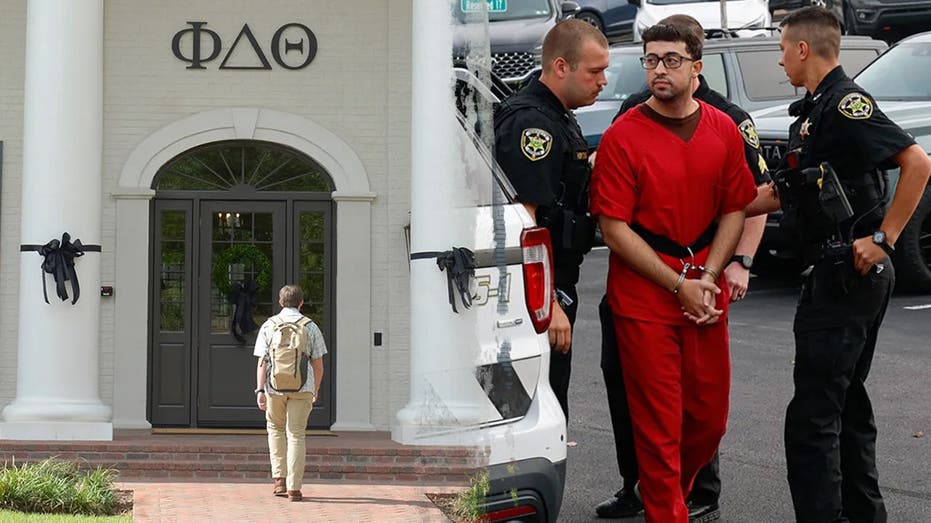
Andrew Lohse, a former Dartmouth fraternity member and hazing survivor, says a culture of silence can allow dangerous conduct to persist in some Greek organizations. His comments followed the deaths of two University of Mississippi students, an alleged cocaine distribution case connected to Penn State, and a hazing investigation in Madison, Wisconsin.
The incidents involve separate organizations and investigations. The allegations have not established wrongdoing by every fraternity mentioned. Authorities and university communities continue to examine the events, while national fraternity leaders say student safety and stronger anti-hazing measures remain priorities.
| 1) | Ole Miss deaths bring renewed scrutiny |
| 2) | Penn State case alleges pledge involvement |
| 3) | Wisconsin police investigate hazing scene |
| 4) | Whistleblower describes a code of silence |
| 5) | Fraternity leaders emphasize safety reforms |
Ole Miss deaths bring renewed scrutiny
Two University of Mississippi students were found dead during the week covered by the report. Robert Strang, 20, was found at an off-campus home and identified as a member of Phi Delta Theta. The second student was identified as Aidan Hamilton. Authorities recovered packages of kratom at both locations, but its role in either death had not been determined.
The deaths occurred in Oxford, Mississippi, and prompted questions about student safety, substance use and the responsibilities of campus organizations. Phi Delta Theta was not accused of wrongdoing. The fraternity expressed sympathy to the families and said the losses underscored the need for a collective commitment to health, safety and well-being. Toxicology results were expected to provide additional information.
Penn State case alleges pledge involvement
Prosecutors allege in court documents that pledges were coerced into cutting and packaging cocaine as part of an organized drug operation near Pennsylvania State University. The case involves 14 men, including former Sigma Chi member Agostino Abbatiello, whom authorities accuse of leading the alleged ring.
The alleged conduct occurred off campus and remains subject to the legal process. Lohse said the claim that pledges participated in drug preparation was alarming and unusually brazen. The case has intensified scrutiny of whether fraternity hierarchies can pressure younger members into illegal activity.
Wisconsin police investigate hazing scene
Madison police said officers were sent to an Alpha Epsilon Pi house on a Wednesday night after reports of a hazing incident. Officers found approximately 30 partially clothed young men in a hot basement, with food, condiments and other liquids on them. Several pledges reportedly showed signs of physical assault, and two people were arrested.
The investigation in Madison, Wisconsin, raised concerns about coercion, physical danger and the treatment of new members. Alpha Epsilon Pi communications chief Jonathan Pierce said the organization would cooperate with authorities and described hazing as incompatible with the fraternity’s values. No broader conclusion about the case had been established at the time of the report.
Whistleblower describes a code of silence
Andrew Lohse, now 36, said his experience as a Dartmouth student shaped his response to the recent cases. He has described alleged initiation rituals involving vomit, urine, forced consumption of vinegar or milk, confinement in a small crawl space and repeated binge drinking. He said pledges were expected to consume more than 10 or 15 drinks during some episodes.
“You need a code of omertà if you’re trying to create an organization that’s essentially like a criminal organization,” Lohse said.
He argued that an unwritten code of silence can protect misconduct by placing loyalty to the group above individual judgment. Lohse said fraternity structures can pressure members to compromise their identities for the collective and claimed that conduct ranging from hazing to drug trafficking can cross criminal statutes. Sigma Alpha Epsilon was suspended at Dartmouth for a decade following hazing incidents and was re-recognized in August, according to the account.
Fraternity leaders emphasize safety reforms
The North American Interfraternity Conference said student safety was its members’ highest priority. Its president and chief executive, Judson Horras, pointed to enhanced health and safety guidelines, advocacy for tougher anti-hazing laws in more than a dozen states, and support for the federal Stop Campus Hazing Act.
Lohse did not tell all students to avoid Greek life, but advised them to consider the opportunity cost and whether fraternity membership would support their educational goals. He said students should think carefully about who they want around them and who will help them. The separate investigations at Ole Miss, Penn State and Wisconsin show why oversight, reporting and accountability remain central to campus safety discussions.
| 1) | Two Ole Miss students died, and kratom was recovered at both scenes, although its role was unclear. |
| 2) | Prosecutors allege pledges were coerced into helping process cocaine in a case near Penn State. |
| 3) | Madison police are investigating alleged hazing at an Alpha Epsilon Pi house. |
| 4) | Andrew Lohse says secrecy and group pressure can enable dangerous conduct. |
| 5) | National fraternity leaders cite safety standards and anti-hazing legislation as safeguards. |
Summary
The events at Ole Miss, Penn State and Wisconsin are separate matters, but together they renewed attention on fraternity oversight and member safety. Lohse’s central warning is that secrecy can make it harder to challenge coercion, report abuse or prevent illegal conduct. Universities, law enforcement agencies and fraternity organizations will determine the facts and accountability in each case through investigations and legal proceedings.
Frequently Asked Questions
What happened at the University of Mississippi?
Two students, including Phi Delta Theta member Robert Strang, were found dead. Packages of kratom were recovered at both scenes, but officials had not established whether the substance contributed to either death.
What are prosecutors alleging in the Penn State case?
Court documents allege that pledges were coerced into cutting and packaging cocaine as part of an organized drug operation involving 14 men. The allegations remain subject to court proceedings.
What does the alleged code of silence refer to?
Andrew Lohse uses the term to describe group pressure and secrecy that he believes can discourage members from challenging hazing, reporting misconduct or resisting illegal activity.