
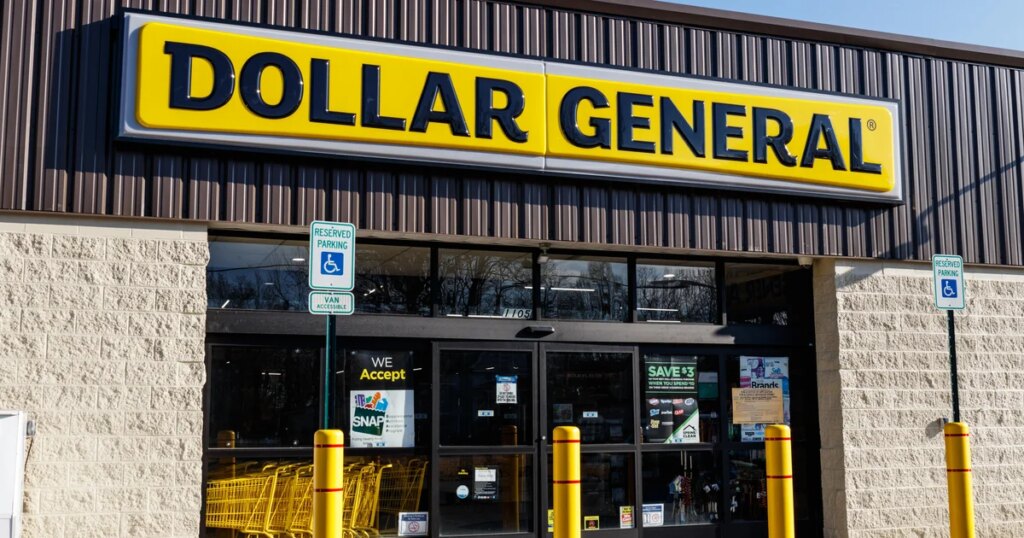
The Federal Trade Commission (FTC), along with twenty states, filed a lawsuit against Dollar General, alleging the retailer misled customers with inaccurate pricing, charging them more than advertised. The complaint, filed in Tennessee, states that the company has generated millions in unlawful overcharges, undermining the trust of American consumers, particularly those living on tight budgets. Dollar General, which operates approximately 21,000 stores across the nation, has reportedly been aware of the investigation since February, asserting its commitment to price accuracy and customer satisfaction.
| Article Subheadings |
|---|
| 1) Overview of the Allegations |
| 2) Impact on Consumers |
| 3) Responses from Dollar General |
| 4) Legal Implications of the Lawsuit |
| 5) Future Actions and Consumer Protection |
Overview of the Allegations
The FTC, supported by officials from twenty states, has initiated legal proceedings against Dollar General, claiming the retailer has engaged in deceptive pricing practices for years. The allegations include charging customers higher amounts at the register than those displayed on store shelves, raising concerns about the company’s adherence to fair pricing tenets. This lawsuit follows thousands of consumer complaints about price discrepancies, indicating that the scale of the issue extends across numerous transactions nationwide.
Specifically, the FTC outlines a pattern where prices displayed at store locations do not match those charged at checkout, creating situations where consumers believe they are paying lower prices than what is actually being charged. With the rising cost of living and tight budgets, the financial implications for consumers relying on Dollar General’s advertised prices can be significant. This lawsuit not only seeks restitution for affected customers but also aims to implement a systemic change in how Dollar General manages its pricing practices.
Impact on Consumers
American consumers depend heavily on discount retailers like Dollar General to manage their household budgets. As cost pressures escalate due to inflation and rising living expenses, the value that retailers provide becomes even more crucial for families trying to make ends meet. The FTC argues that Dollar General has betrayed that trust by not delivering on its promise of low prices, which exacerbates the financial strain on millions of customers.
The agency’s complaint highlights that this pricing issue affects a large segment of the population, particularly low-income households that look to discount stores for economical shopping options. The concerns raised indicate that consumers may be misled into spending more than they intended; in some cases, these discrepancies could lead to significant losses over multiple shopping trips. The FTC’s lawsuit emphasizes the need for transparency in pricing to protect vulnerable consumers who rely on accurate information when making purchasing decisions.
Responses from Dollar General
In response to the allegations, Dollar General has expressed its commitment to achieving 100% accuracy between shelf and register prices, stating that it aims to rectify any discrepancies that may arise. The retailer acknowledged that occasional price discrepancies can occur—an occurrence common in retail despite strict policies and procedures meant to safeguard against such errors.
The company indicated that it has made substantial efforts to enhance its procedures for monitoring pricing accuracy. Despite its defense against the lawsuit, which includes rejecting the FTC’s claims as exaggerated, Dollar General emphasized the importance of consumer trust. In a statement, the company expressed its intention to vigorously contest the legal challenge while highlighting its past efforts to amicably resolve price-related issues with the FTC prior to litigation.
Legal Implications of the Lawsuit
The legal action against Dollar General raises critical questions about corporate accountability in pricing practices. If the FTC’s suit succeeds, it could result in significant changes not just for Dollar General but potentially for the retail industry as a whole. The suit seeks not only a permanent injunction to stop the alleged deceptive pricing practices but may also impose financial penalties and require an overhaul of the company’s pricing transparency policies.
Legal experts posit that this case could set a precedent for future claims against retailers accused of misleading pricing practices. The implications for the industry could be wide-ranging, as it may inspire more scrutiny of pricing strategies and greater protection for consumers. With public interest in corporate practices on the rise, this case has garnered considerable attention, underscoring the importance of consumer protection in an increasingly competitive retail space.
Future Actions and Consumer Protection
Looking forward, the outcome of the lawsuit could influence consumer protection advocacy and lead to improvements in how retailers approach price communication. Advocates for consumer rights are urging that clear labeling and honesty in pricing must become a standard practice to safeguard against future deceptions.
Moreover, the FTC’s initiative to clamp down on deceptive practices can be seen as part of a broader movement to ensure that retailers honor their advertised prices. The lawsuit serves as a crucial reminder for consumers to remain vigilant regarding pricing and to report discrepancies to authorities. Coordinated efforts between federal and state agencies highlight the importance of collective action in reinforcing fair trade practices.
| No. | Key Points |
|---|---|
| 1 | The FTC and 20 states filed a lawsuit against Dollar General for misleading pricing. |
| 2 | Allegations include charging customers more at checkout than advertised on shelves. |
| 3 | Dollar General claims to be committed to price accuracy and has processes in place. |
| 4 | The lawsuit seeks a permanent injunction, financial penalties, and a resolution to pricing discrepancies. |
| 5 | The case underscores the need for transparency and accountability in retail pricing. |
Summary
The ongoing legal action against Dollar General, spearheaded by the FTC and multiple states, emphasizes the pressing need for accurate pricing in the retail sector. As the lawsuit unfolds, it will reveal the extent of consumer protection measures that can be enforced against practices that potentially exploit vulnerable shoppers. The implications of this case could reverberate throughout the retail industry, pushing for reforms that ensure transparency and fairness in pricing, which is vital for maintaining consumer trust and safeguarding financial well-being.
Frequently Asked Questions
Question: What is the basis of the FTC’s lawsuit against Dollar General?
The lawsuit alleges that Dollar General has misled consumers by charging higher prices at checkout than those advertised, harming customers financially and betraying their trust.
Question: How has Dollar General responded to the FTC’s allegations?
Dollar General has claimed it is committed to price accuracy and stated that it intends to defend itself vigorously against the FTC’s lawsuit while also emphasizing its efforts to resolve pricing discrepancies.
Question: What could be the outcome of this lawsuit?
If the lawsuit is successful, it could result in significant changes to Dollar General’s pricing practices, potential financial penalties, and establish a precedent for consumer protection in the retail industry.