
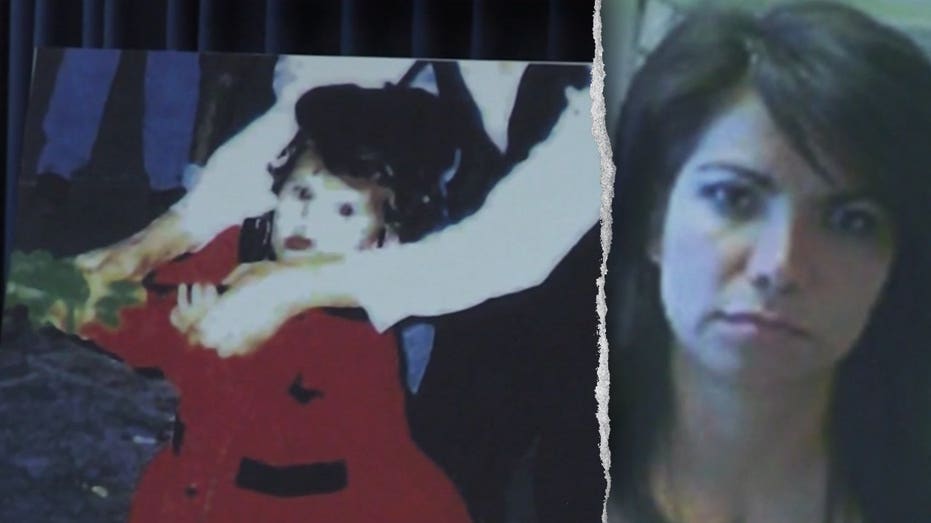
Anna Marlene Somoza, 60, has been arrested in Mexico more than 12 years after fleeing the United States. She is accused of killing her 3-year-old daughter, Crystal Reyes, in Arizona in 1997. Authorities said Somoza used connections to drug-trafficking networks to avoid capture. She is expected to face first-degree murder charges in the United States after an extradition process.
| 1) | Arrest in Mexico after 12 years |
| 2) | Child’s death and DNA identification |
| 3) | Earlier criminal history and alleged abuse |
| 4) | Long-running international search |
| 5) | Extradition process and possible delays |
Arrest in Mexico after 12 years
Anna Marlene Somoza was arrested by Mexican law enforcement officers on October 18, 2026, in Xochitepec, Mexico. The arrest followed information that she was actively avoiding detection in the country, including in the area of Cuernavaca. U.S. authorities had been searching for her since charges were filed in 2014.
Officials said Somoza maintained close connections to cartel-linked networks, which helped her remain out of reach after she was deported from the United States. She is accused of first-degree murder in the death of her daughter and will be returned to the United States through international extradition procedures.
Child’s death and DNA identification
Crystal Reyes was 3 years old when she died on January 30, 1997, according to investigators. Authorities said the child had suffered severe abuse, including being restrained and confined before she was killed. Her remains were discovered after a hunter found human bone fragments in a deserted area of Arizona in November 1998.
The remains were not identified until August 2014, when forensic DNA analysis connected them to Reyes. Investigators confirmed her identity using DNA from her biological father. The evidence provided grounds to charge Somoza and her boyfriend at the time, Avelino Tamala, with first-degree murder in December 2014.
Earlier criminal history and alleged abuse
Somoza had previously been connected to a major transnational drug-trafficking network operating along the southern Arizona border during the 1980s and 1990s. After her 1993 arrest for selling and transporting marijuana, she agreed to serve as a confidential informant for an Arizona law enforcement agency. Investigators said she met Tamala, then a narcotics detective, through that arrangement and began an improper romantic relationship with him.
Reyes was born in Mexico in 1993 and later lived with Somoza and Tamala in Arizona. Tamala was not the child’s biological father. He was convicted of Reyes’ murder in 2016 and sentenced to life in prison. A child-abuse prevention specialist said the abuse may have gone undetected because Reyes was not attending school, where teachers and counselors often identify and report suspected mistreatment.
Long-running international search
Somoza and Tamala were arrested in 1999 on drug- and weapons-related charges. Somoza served eight years in federal prison and was deported in 2008. Once DNA testing linked Reyes’ remains to her family and investigators connected Somoza to the case, authorities from five state and federal agencies began looking for her.
Investigators said Somoza took deliberate and extensive steps to evade law enforcement. An arrest warrant permitting extradition was obtained in October 2022, but authorities still had to locate her. In 2026, the case was designated a major investigation, bringing additional personnel and resources to the search. That effort ultimately led authorities to her location in Mexico.
The international search required sustained cooperation between U.S. and Mexican authorities because Somoza had remained outside the United States for years.
Extradition process and possible delays
The U.S. Marshals Service is expected to work with the Mexican government to bring Somoza to the United States. Former federal prosecutor Russell Lorfing said the transfer could occur through a coordinated handover or by U.S. marshals traveling to Mexico after diplomatic arrangements are completed.
The timing remains uncertain. Although some domestic extradition matters can be resolved quickly, international cases may take months or longer, particularly if a defendant challenges the process. In Mexico, Somoza may file an amparo, a legal appeal alleging violations of fundamental constitutional rights. Lorfing said such a challenge could substantially delay a transfer.
| Number | Key Point |
|---|---|
| 1 | Anna Marlene Somoza was arrested in Xochitepec, Mexico, on October 18, 2026. |
| 2 | Her daughter, Crystal Reyes, died in Arizona in 1997 at age 3. |
| 3 | DNA testing identified the child’s remains in 2014. |
| 4 | Avelino Tamala was convicted in 2016 and sentenced to life in prison. |
| 5 | Extradition could take months or longer if Somoza challenges the transfer. |
Summary
The arrest ends more than a decade of fugitive status for Somoza, but it does not resolve the criminal case. She remains accused, not convicted, in the death of Reyes. Mexican and U.S. authorities must now complete the extradition process before Somoza can appear in an American court.
Frequently Asked Questions
Who was arrested in Mexico?
Anna Marlene Somoza, 60, was arrested by Mexican law enforcement officers in Xochitepec on October 18, 2026.
What charges does Somoza face?
She faces first-degree murder charges in the United States in connection with the 1997 death of her daughter, Crystal Reyes.
Why could her return to the United States take time?
International extradition can take months or longer. Somoza may also challenge the transfer through an amparo proceeding in Mexico.