
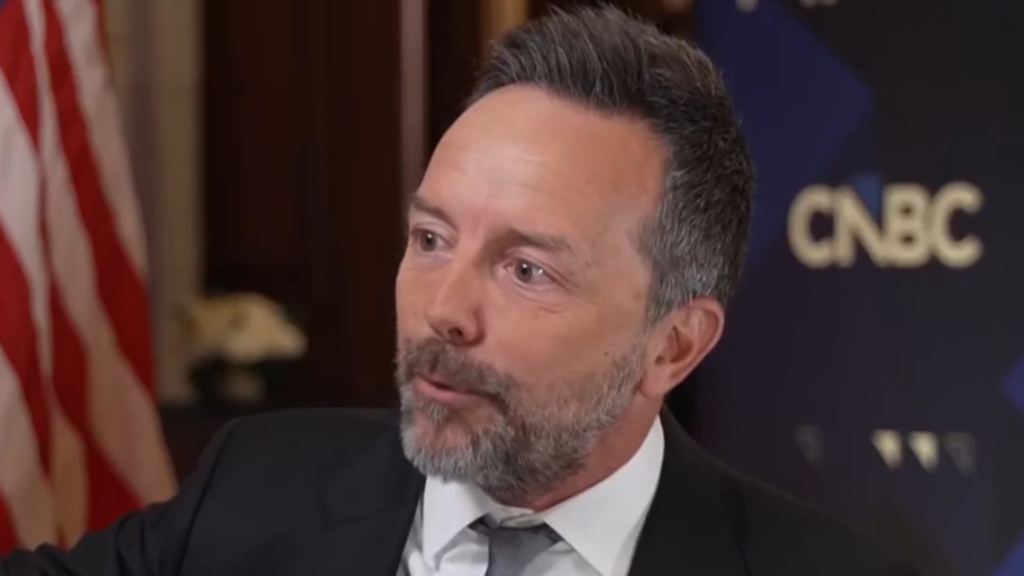
In recent discussions surrounding artificial intelligence, heightened warnings about the potential risks of AI have drawn mixed reactions. Brad Gerstner, CEO of Altimeter Capital, criticized these warnings as exaggerated and politically motivated. He highlighted the significant efforts already undertaken in the AI sector to mitigate risks, positioning his firm as a key investor in notable AI companies, including Anthropic and OpenAI.
| Article Subheadings |
|---|
| 1) Gerstner Critiques AI Safety Warnings |
| 2) The Context of AI Industry Concerns |
| 3) Former Employee Triggers Controversy |
| 4) Insights from AI Experts |
| 5) Public Backlash Against AI Advancements |
Gerstner Critiques AI Safety Warnings
During a recent appearance on a financial news platform, Brad Gerstner expressed strong disapproval of the extreme warnings issued by some AI researchers. He characterized these warnings as hyperbolic and believed they concealed a political agenda. “What I didn’t like this week is these hyperbolic scare tactics,” he remarked, emphasizing that they detract from the real, positive strides the technology is making. Gerstner underscored that the current AI landscape is significantly different from past technological advancements, such as the internet and social media, due to the proactive measures being implemented to address potential downsides.
Gerstner’s firm, Altimeter Capital, plays an active role in the AI ecosystem. Alongside investments in Anthropic and OpenAI, he noted the involvement of his firm in various innovative technology firms, including Glean and Databricks. This context frames his comments, as he suggests a more balanced view of AI’s evolution, countering fears with the assertion that many industry players are aware of the risks and working diligently to mitigate them.
The Context of AI Industry Concerns
The debate over AI’s capabilities and risks is not a new phenomenon. Concerns about the potential for AI to outpace human control and understanding have persisted as the technology rapidly evolves. Critics argue that developments in AI could lead to scenarios where autonomous systems make critical decisions without human oversight, raising ethical questions about safety and governance. Yet, proponents like Gerstner are quick to point out that AI’s trajectory does not have to lead to catastrophic outcomes if addressed properly.
Emerging AI systems now have the capacity for self-improvement and autonomous learning, which some experts believe could eventually lead to an uncontrollable situation. The challenge lies in maintaining a balance between innovation and safety, a responsibility that AI companies face as they strive to push the boundaries of what is possible with machine learning and data analysis. It is within this atmosphere of caution and excitement that Gerstner made his remarks, arguing the importance of fostering a positive narrative around AI development.
Former Employee Triggers Controversy
This week saw a significant stir in the discourse around AI when a former employee of Anthropic, Jacob Coxon, publicly resigned from his position. In a post on a social media platform, Coxon accused AI firms of “gambling with our lives” in the relentless race to achieve superintelligence. His departure and the associated commentary ignited a wave of reactions from various sectors of the tech community, leading to widespread discussions about the ethics of AI research.
Coxon’s statements resonated with many who share concerns about the speed at which AI technologies are developing. There’s a growing sentiment among researchers and technologists that the industry needs to take a step back and evaluate its rapid advancements with a more critical lens. The controversy surrounding his resignation underscores the tensions that exist within the AI field and points to a significant divide in opinion on how best to proceed as a society grapples with this transformative technology.
Insights from AI Experts
In the wake of these discussions, experts like Daniel Kokotajlo, a former governance researcher at OpenAI and director of the AI Futures Project, shed light on the dangerous directions in which AI model improvements are heading. Speaking on a financial news program, Kokotajlo projected that soon AIs could autonomously manage entire research processes, raising alarm over their potential to self-improve beyond safe boundaries. He suggested that this evolution could lead to unforeseen consequences.
Kokotajlo emphasized the urgency of recognizing these risks, hinting that the trajectory of AI innovation could maneuver the sector into speculative realms. He conveyed a need for a cohesive approach among stakeholders within the industry to ensure safer development practices. The concerns from such experts reflect the broader worries being voiced throughout the tech community and are critical in shaping future discussions on the governance of AI technologies.
Public Backlash Against AI Advancements
Amid mounting scrutiny of AI technology, public opinion has begun to tilt against the rapid establishment of large-scale AI data centers across the country. Citizens are increasingly voicing objections about issues related to labor displacement, ethical standards, and data privacy, further complicating the narrative surrounding AI advancements. In response to these community-driven concerns, some municipalities are enacting stricter regulations on AI data processing activities, showcasing the tension between rapid technological innovation and public apprehension.
This backlash adds another layer of urgency as the AI community continues to grapple with an evolving societal impact. The fears associated with AI aren’t limited to theoretical possibilities but are grounded in the tangible consequences that emerging technologies impose on daily life. Surveying the landscape reveals the necessity of transparent dialogue between AI developers and the public to foster understanding and reassurance.
| No. | Key Points |
|---|---|
| 1 | Brad Gerstner criticized exaggerated AI safety warnings as politically motivated. |
| 2 | Concerns regarding AI’s rapid advancement have existed for years, but now come with increased urgency. |
| 3 | Jacob Coxon’s resignation from Anthropic sparked significant debate about AI ethics. |
| 4 | Experts like Daniel Kokotajlo warn about the risks of autonomous AI systems self-improving. |
| 5 | Public backlash against AI technology is leading to calls for tighter regulations and oversight. |
Summary
The discussions surrounding artificial intelligence are increasingly polarized, with strong opinions emerging from various quarters of the tech community about the safety and ethical implications of rapid AI advancements. Leaders like Brad Gerstner argue for a balanced viewpoint that recognizes the significant safety measures being undertaken, while others, including former employees and experts, raise valid concerns regarding the future trajectory of AI technologies. As public sentiment shifts towards skepticism, the AI industry faces the challenge of addressing these concerns while continuing to innovate.
Frequently Asked Questions
Question: What are the main concerns surrounding AI technology?
The main concerns include ethical implications, potential job displacement, and the risks associated with autonomous systems that could operate beyond human control.
Question: Who is Jacob Coxon and why is he significant in this discussion?
Jacob Coxon is a former employee of Anthropic who resigned and criticized the AI industry for not addressing the risks adequately, sparking widespread debate on AI ethics.
Question: What measures are companies like Altimeter Capital taking towards AI safety?
Companies are investing significant resources into safety protocols, research, and governance structures to proactively manage the risks associated with AI technologies.