
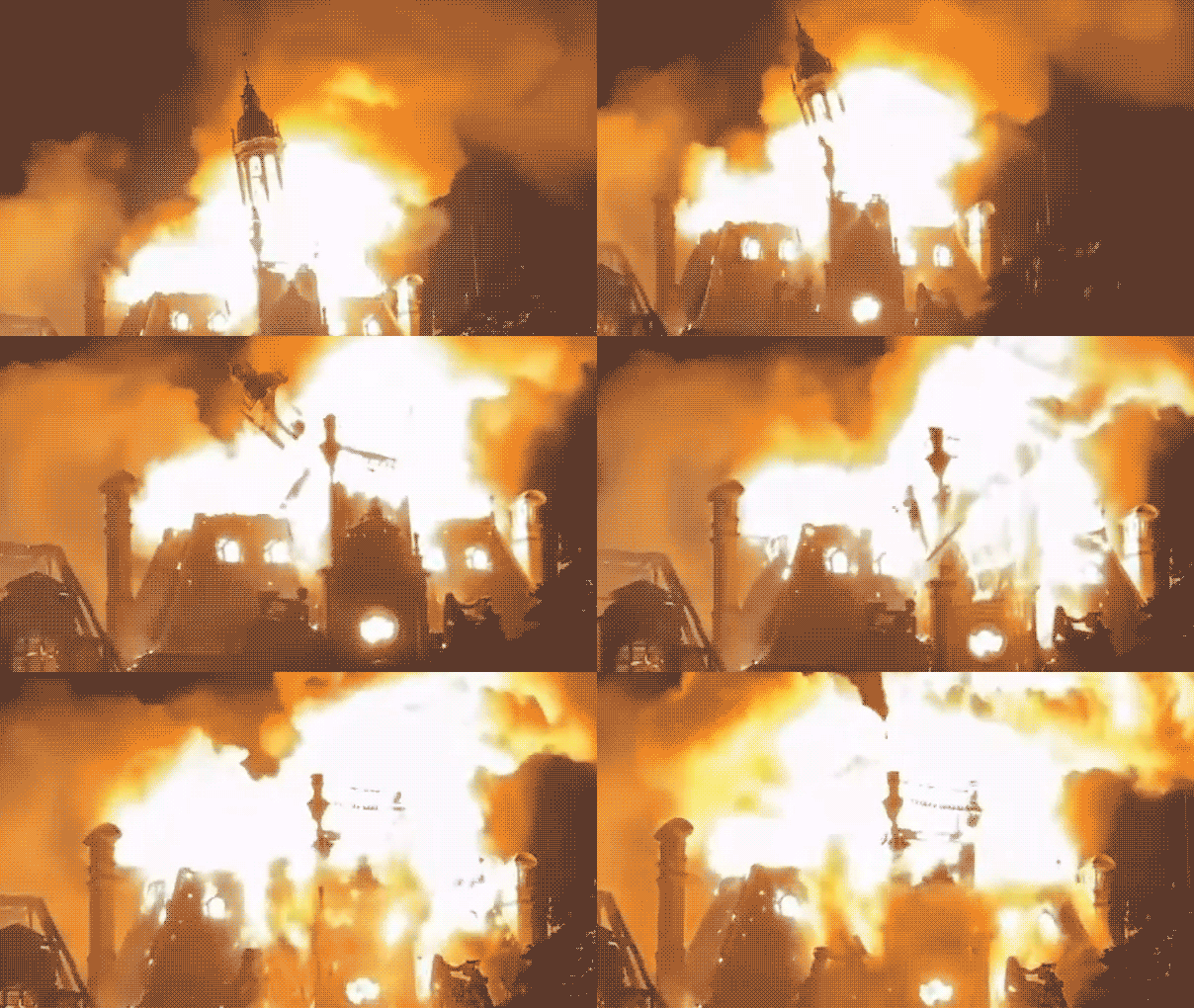
Recent protests in France and across Europe have escalated into violent confrontations and significant property destruction. Demonstrators, largely comprised of far-left activists, are expressing their anger over rising costs of living, leading to clashes with police and the burning of historic buildings. In a particularly devastating incident, the Limoges Town Hall, a historic structure dating back to 1883, was set ablaze, resulting in a substantial loss to cultural heritage. The unrest, which marks the fourth week of protests, has prompted stern warnings from government officials regarding violence and chaos.
| Article Subheadings |
|---|
| 1) Significance of the Limoges Town Hall Fire |
| 2) Scope of the Protests Across France |
| 3) Government Response to the Unrest |
| 4) The Underlying Causes of Discontent |
| 5) Outlook for Future Protests and Stability |
Significance of the Limoges Town Hall Fire
The Limoges Town Hall has been a historical landmark since its construction in 1883, recognized for its architectural value and historical significance. The recent fire, described by the local prefect, Maurice Barate, as “a deliberate act by hooligans,” has led to the building being termed “largely lost.” With two-thirds of its exterior destroyed and the roof collapsing, the incident represents not only a loss of a structure but the erosion of cultural history. Local officials lamented that the incident is a “catastrophe for heritage,” further emphasizing the collective grief over the destruction of a symbol reflective of the town’s identity.
Scope of the Protests Across France
The protests have swept across France, involving more than half a million participants from various backgrounds and cities. According to Interior Minister Laurent Nuñez, approximately 400 arrests took place in a single event on Saturday, with violent clashes reported in multiple cities, including Rennes, Toulouse, and Montpellier. Demonstrators are voicing their frustrations over the rising cost of living, which highlights the economic pressure many citizens are experiencing. While many protests have remained peaceful, a significant faction has resorted to violence, causing fear and instability in affected areas.
Government Response to the Unrest
French officials have responded firmly to the escalating violence and destruction. Outgoing President Emmanuel Macron took to social media to assert that “there is no place for violence in our republic,” emphasizing the need to uphold the rule of law. Government officials indicated that those perpetuating violence—including attacks on businesses and public buildings—will be prosecuted. Moreover, Macron expressed support for law enforcement, labeling them as “guarantors of the right to demonstrate.” He urged unity against those seeking chaos, reinforcing a message aimed at dissociating peaceful demonstrators from violent factions.
The Underlying Causes of Discontent
The ongoing protests are primarily fueled by growing disparities in socio-economic conditions. Rising living costs, particularly in essential sectors like housing, energy, and food, have intensified public dissatisfaction. Activist groups, as well as unions, have played a significant role in mobilizing protestors around these pressing issues. The discontent is exacerbated by perceptions of government inaction or inadequate responses to the challenges faced by ordinary citizens. Analysts suggest that this unrest is reflective of wider global sentiments over economic inequalities and frustrations with governmental policies.
Outlook for Future Protests and Stability
As the situation in France continues to evolve, bystanders are left wondering how sustainable the protests will be in the long run. While there is a strong sentiment among protestors that their voices must be heard, the violent turn of some demonstrations could lead to increased governmental crackdowns, possibly stifling future protests. Analysts believe that if the authorities fail to address the underlying economic issues prompting the unrest, we could see a resurgence of similar or intensified protests in the near future. The societal divide exposed by these events may lead to persistent instability unless constructive dialogue and substantial reforms are enacted.
| No. | Key Points |
|---|---|
| 1 | The Limoges Town Hall, a historic building, has suffered significant damage due to a fire set by rioters. |
| 2 | Over half a million people have participated in protests across France, resulting in over 400 arrests during protests on a single day. |
| 3 | Government officials have condemned the violence and vowed to hold perpetrators accountable. |
| 4 | Economic struggles related to cost of living are primary motivators for ongoing public unrest. |
| 5 | The future of protests in France remains uncertain as the government attempts to address the root causes of discontent. |
Summary
The current unrest in France reflects deeper societal fractures regarding economic inequities and governmental responses. The loss of historic buildings such as the Limoges Town Hall symbolizes a larger crisis facing both heritage and collective citizenry. As protests evolve, the responses from both the public and the government will significantly shape France’s immediate future, revealing the crucial need for dialogue and resolution to the issues at hand.
Frequently Asked Questions
Question: What triggered the current protests in France?
The protests in France were primarily triggered by rising living costs, which have led to widespread dissatisfaction among various socio-economic groups.
Question: How has the French government reacted to the violence?
The French government has condemned the violence, vowing to prosecute those responsible for attacks on public buildings and businesses, while asserting support for peaceful demonstrations.
Question: What is the significance of the Limoges Town Hall?
The Limoges Town Hall is a historic landmark built in 1883, and its destruction signifies a serious loss to the cultural heritage of the region.