
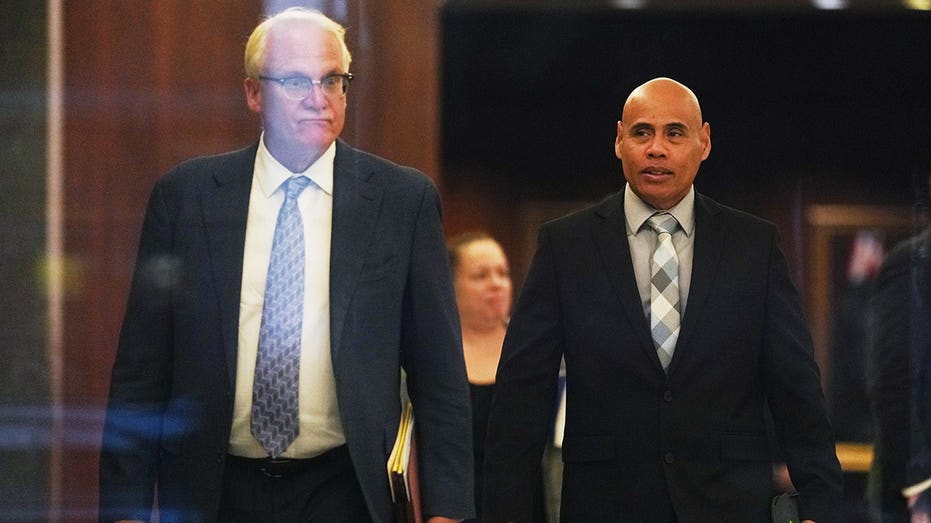
U.S. Immigration and Customs Enforcement officer Christian Castro pleaded not guilty Friday to six federal counts alleging he made materially false statements to the FBI about a January shooting in Minneapolis. Prosecutors accuse Castro of shooting 24-year-old Julio Cesar Sosa-Celis through the front door of a home during an immigration enforcement operation. Castro told investigators he was being attacked with a broom and shovel, but prosecutors said surveillance footage contradicted his account. He was released under monitoring and travel restrictions while facing both federal and state charges.
The case stems from Operation Metro Surge, a Trump administration immigration crackdown that brought thousands of federal agents to Minnesota. The shooting has also become part of a dispute between Minnesota authorities and the federal government over jurisdiction and extradition. Castro had previously spent about 90 days in Texas custody before being released.
| 1) | Federal allegations and Friday’s plea |
| 2) | The January Minneapolis shooting |
| 3) | Release conditions and Texas custody |
| 4) | Dispute over jurisdiction and extradition |
| 5) | Broader context of Operation Metro Surge |
Federal allegations and Friday’s plea
Castro, 52, appeared in federal court in St. Paul on Friday and entered a not-guilty plea to six counts of making materially false statements. The charges concern statements he allegedly made to federal investigators about the circumstances surrounding the shooting. A not-guilty plea preserves Castro’s right to contest the allegations as the federal case proceeds.
Prosecutors contend that Castro gave investigators a false account of what happened before he fired his weapon. Their case is based in part on surveillance footage that they say conflicts with his description of an attack. The allegations have not been resolved at trial, and Castro remains entitled to the presumption of innocence.
The January Minneapolis shooting
The underlying incident occurred in January 2026 in Minneapolis during Operation Metro Surge, an immigration enforcement campaign conducted under the Trump administration. Prosecutors allege that Castro shot Julio Cesar Sosa-Celis, a 24-year-old Venezuelan migrant, in the leg through the front door of a Minneapolis residence.
Castro told investigators that he was being attacked with a broom and a shovel before opening fire. Prosecutors dispute that account and say video evidence shows a different sequence of events. Castro faces separate state charges related to the shooting, alongside the federal false-statement case.
Release conditions and Texas custody
At Friday’s hearing, Castro wore an ankle monitor and was released under conditions set by the judge. He was instructed to travel only between Minnesota and South Texas, where he lives, and to report any altercation with law enforcement within 72 hours.
Castro had been held in Texas custody for about 90 days before his release there. As part of that release, he was required to wear an ankle monitor, surrender his passport and give up his firearms. He was booked in Minnesota last week after leaving Texas and then appeared in federal court in St. Paul.
Dispute over jurisdiction and extradition
The case has produced a conflict between Minnesota authorities and the Trump administration over which government should handle the charges. Federal officials have argued that federal authorities have jurisdiction over the matter, while Minnesota authorities have pursued state charges connected to the shooting.
Texas Gov. Greg Abbott previously declined to sign an extradition warrant that would have sent Castro to Minnesota, contributing to his extended detention in Texas. A federal judge blocked Minnesota’s attempt to extradite him from Texas. The dispute reflects the competing state and federal claims surrounding an incident involving a federal immigration officer.
Broader context of Operation Metro Surge
Operation Metro Surge brought thousands of federal agents to Minnesota as part of a broad immigration crackdown. The operation resulted in sweeping arrests and drew intense political and legal scrutiny, including over shootings involving both migrants and U.S. citizens.
The shooting involving Sosa-Celis is now being examined through separate federal and state proceedings. The federal case focuses on whether Castro knowingly made materially false statements to investigators, while the state case concerns the shooting itself. The evidence, including surveillance footage and the competing accounts of the incident, will be central to determining what happened.
| Number | Key Point |
|---|---|
| 1 | Christian Castro pleaded not guilty to six federal false-statement counts. |
| 2 | Prosecutors accuse him of lying about a January shooting in Minneapolis. |
| 3 | He was released with an ankle monitor, travel limits and reporting requirements. |
| 4 | The case includes both federal and state charges. |
| 5 | Minnesota and federal officials have disputed jurisdiction and extradition. |
Summary
The federal case against Christian Castro centers on whether he lied to investigators after shooting Julio Cesar Sosa-Celis during an immigration enforcement operation in Minneapolis. Castro denies the federal allegations through his not-guilty plea and remains subject to court-ordered monitoring. The separate state charges and the dispute over jurisdiction mean the legal questions surrounding the shooting will continue in both federal and Minnesota proceedings.
Frequently Asked Questions
What charges does Christian Castro face?
He faces six federal counts alleging that he made materially false statements to the FBI. He also faces state charges related to the shooting of Julio Cesar Sosa-Celis.
What happened during the January incident?
Prosecutors allege that Castro shot 24-year-old Julio Cesar Sosa-Celis in the leg through the front door of a Minneapolis home during Operation Metro Surge. Castro said he was being attacked with a broom and shovel, while prosecutors said surveillance footage contradicted that account.
What are the conditions of Castro’s release?
Castro must wear an ankle monitor, travel only between Minnesota and South Texas, and report any altercation with law enforcement within 72 hours. He also surrendered his passport and firearms as part of his release from Texas custody.