
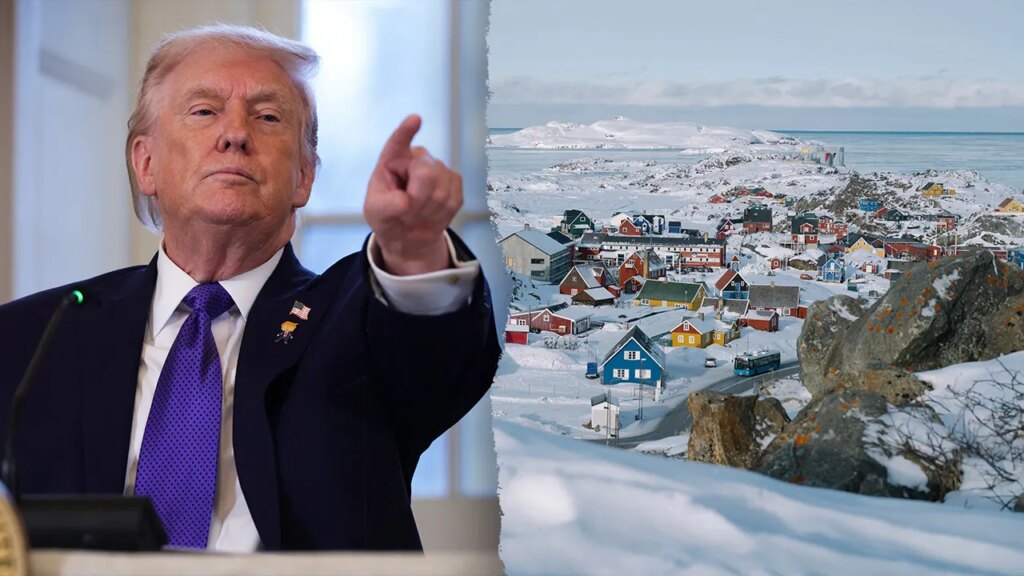
In a significant referendum held on Saturday, Icelanders cast their votes on whether to reopen negotiations for membership in the European Union (EU). This decision comes amid rising concerns regarding the geopolitical implications that President Donald Trump’s interest in Greenland may have on Iceland’s security and international alliances. With 275,000 eligible voters in the fray, the outcome of this nonbinding referendum may signal a pivotal shift in Iceland’s foreign relations and its relationship with the EU.
| Article Subheadings |
|---|
| 1) Background on Iceland’s EU Membership Considerations |
| 2) The Role of U.S. Geopolitical Interests |
| 3) Voter Sentiment and the Implications of the Referendum |
| 4) Iceland’s Political Landscape and the EU Debate |
| 5) The Path Forward: What Happens Next? |
Background on Iceland’s EU Membership Considerations
Iceland’s relationship with the European Union has been a matter of public debate for several years. The Nordic island nation, strategically located in the North Atlantic, has already had a history of applying for EU membership, with attempts dating back to 2009. In each instance, domestic economic issues and public sentiment have posed significant hurdles. Currently, with no standing military force, Iceland relies heavily on NATO and a defense agreement with the United States for its national security. This dependency raises questions about whether aligning more closely with the EU could enhance Iceland’s security dynamics in the context of global geopolitics.
Historically, there have been both proponents and opponents of EU membership in Iceland. Supporters argue that EU membership may offer economic benefits and greater security assurances, while opponents emphasize the importance of preserving national sovereignty and the unique aspects of Icelandic culture and governance. The current referendum has reignited these longstanding debates, directly linking them to contemporary security issues exemplified by global events.
The Role of U.S. Geopolitical Interests
President Donald Trump’s overt interest in acquiring Greenland, which is a self-governing territory of Denmark, has cast a long shadow over the EU membership debate in Iceland. Trump’s administration has been linked to proposals considering various means for securing Greenland, including military options. This has raised alarms among Icelanders who fear the implications of such actions, especially given that Greenland is in close proximity to Iceland, separated by a mere 180 miles of ocean.
The discussion surrounding Greenland also indirectly elevates Iceland’s position in international affairs. As a member of NATO and with historical ties to the U.S., Iceland may find itself in a precarious situation where decisions made by Washington could significantly impact its own geopolitical standing. The Icelandic populace may view increased EU integration as a potential buffer against these external pressures, creating an added layer of security amidst uncertain developments in U.S. foreign policy towards the Arctic region.
Voter Sentiment and the Implications of the Referendum
Approximately 275,000 eligible voters took part in this critical referendum, the results of which were still pending as of Saturday evening. A substantial segment of the electorate appeared divided, with many recognizing the relevance of current geopolitical factors, including Trump’s ambitions for Greenland, in reshaping their views on EU membership. While long-standing domestic issues abound, the current political climate has sharpened the public’s awareness of Iceland’s strategic significance in the North Atlantic.
Prime Minister Kristrún Frostadóttir emphasized the importance of the campaign in elevating discussions about Iceland’s future role in the world. Despite being a nonbinding referendum, Frostadóttir has vowed to respect the results, channeling public sentiment towards potentially resuming formal negotiations with the EU. If the majority favors reopening talks, another referendum would be called to address actual membership; thus, the implications of this vote could be far-reaching and monumental for Iceland’s international relations.
Iceland’s Political Landscape and the EU Debate
The current political landscape in Iceland is shaped by a range of domestic and economic issues. These have been at the forefront of the campaign leading up to the referendum. Political commentary suggests that many Icelanders trace their unease back to experiences during the 2008 financial crisis, which fosters a cautious approach to any major changes affecting the economy, including EU membership. At the same time, the ongoing global challenges highlight the need for nations to reassess their positions and alliances.
Detractors of EU membership often argue that relinquishing some level of sovereignty could lead to unwanted external interferences in domestic affairs. However, others posit that closer ties with the EU could offer economic stability and support, particularly in times of heightened uncertainty linked to external geopolitical factors. The debate is further complicated by external perceptions, particularly as Trump’s comments and ambitions continue to circulate in public discussions, thereby intertwining domestic issues with international aspirations.
The Path Forward: What Happens Next?
Should the referendum conclude in favor of resuming EU negotiations, it would mark a significant milestone in Icelandic politics. The next steps would involve detailed negotiations with EU representatives and another public vote on the final membership terms. The government has promised to handle these discussions transparently, emphasizing the vital role of public opinion in shaping the final outcomes.
Furthermore, the Icelandic government is likely to take into account the heightened concerns regarding U.S. foreign policy in the Arctic region. Depending on how the situation with Greenland unfolds, Iceland’s position may shift dramatically within both NATO and its relations with the EU. Thus, the coming weeks and months could serve as a critical period for Iceland that may redefine it both geopolitically and economically.
| No. | Key Points |
|---|---|
| 1 | Icelanders voted on resuming negotiations for EU membership amid geopolitical concerns. |
| 2 | President Trump’s interest in Greenland has added urgency to Iceland’s EU debate. |
| 3 | The Prime Minister emphasized the importance of public sentiment in determining future steps. |
| 4 | The referendum underscores the balance between national sovereignty and enhanced security through the EU. |
| 5 | Outcome of the referendum could redefine Iceland’s geopolitical role in both NATO and the EU. |
Summary
The ongoing referendum in Iceland regarding EU membership is reflective of broader trends in international relations and security dynamics. Amid rising geopolitical challenges exemplified by the U.S. administration’s interest in Greenland, Icelanders find themselves at a crossroads that could significantly shape their nation’s future. Whether the decision will lead to increased EU integration or further isolation remains to be seen as the electorate makes what could be a transformative choice for the nation.
Frequently Asked Questions
Question: Why is Iceland considering EU membership again?
Iceland is considering EU membership again as a response to both internal and external pressures, particularly regarding economic stability and national security in light of geopolitical changes in the Arctic region.
Question: How does President Trump’s interest in Greenland affect Iceland?
Trump’s interest in Greenland has raised concerns in Iceland about potential threats to its security and sovereignty, prompting many to reconsider the benefits of closer ties with the EU.
Question: What is the significance of the current referendum?
The significance lies in its potential to reshape Iceland’s foreign relations and determine its future role in both Europe and North America, especially concerning alliances that impact national security.