
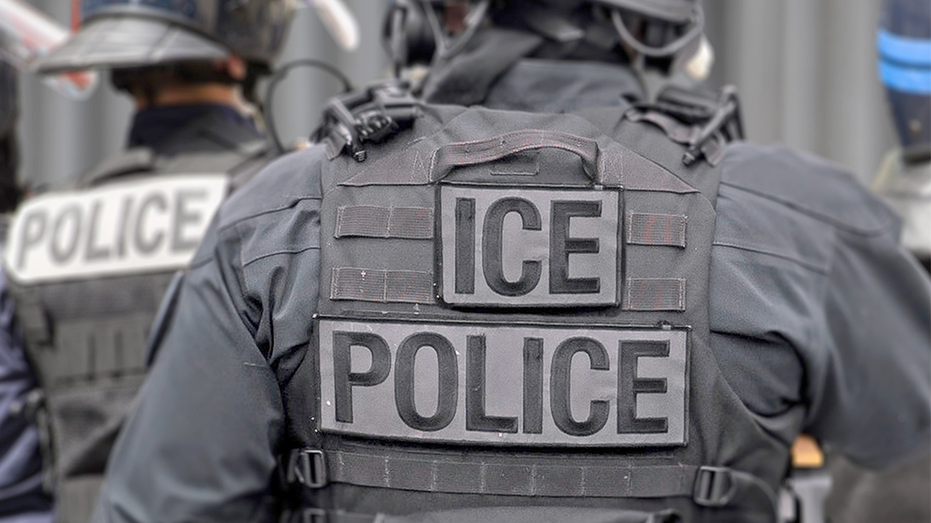
Probation officers in Canyon County, Idaho, compiled information on foreign-born people under supervision and shared it with federal immigration authorities, records show. More than 140 emails exchanged between May and July 2026 also indicate that officers alerted Immigration and Customs Enforcement to some probation appointment times. Critics say the process risked identifying U.S. citizens and legally present immigrants without first verifying their immigration status. County officials said determining legal status and enforcement decisions are the responsibility of federal authorities.
The emails show coordination between the county’s misdemeanor probation department and ICE’s Boise office. In at least one case, officers contacted agents before and during a routine check-in to ask whether they were coming to detain the probationer.
| 1) | How the foreign-born list was assembled |
| 2) | Coordination around probation appointments |
| 3) | Concerns about legal status and due process |
| 4) | County and federal officials defend the practice |
| 5) | Canyon County’s broader immigration record |
How the foreign-born list was assembled
In June, Canyon County misdemeanor probation director Jeff Breach instructed staff to review their caseloads and identify people they believed might be in the country illegally. He said the resulting list was intended for ICE review, not as a county determination of immigration status. However, subsequent emails indicate that at least some officers used foreign birthplace as a screening method.
Officer Brandon Black wrote that he had identified people whose intake forms stated they were not born in the United States. Another officer identified one person based partly on the fact that the individual had presented identification from Mexico during a previous arrest. Foreign birth alone does not establish unlawful status and can include naturalized citizens and lawful permanent residents.
Coordination around probation appointments
The records show officers communicating with ICE agents about when probationers would appear for routine appointments at the county office. On May 13, senior probation officer Norma Naranjo told several agents that a man’s meeting was scheduled for the following morning. When the man arrived, she contacted the agents again to ask whether they were on their way.
“He is here are you guys on your way?” Norma Naranjo wrote in an email.
The heavily redacted records do not establish whether ICE detained that person. They do show that agents appeared at roughly one or two probation appointments per month during the three-month period cited by the department. Officers also asked ICE whether people who missed check-ins were already in federal custody and, in one case, provided a home address and vehicle details.
Concerns about legal status and due process
Immigration attorneys and advocates warned that a list based on foreign birthplace could expose people with lawful status to questioning or detention. U.S. citizens, naturalized citizens, green-card holders and people with pending immigration matters may all appear in records that identify a foreign country of birth. Some noncitizens with lawful status can face removal under federal law after certain convictions, but status and removability require individual review.
Nikki Ramirez-Smith, an immigration attorney in Nampa, described the practice as a privacy invasion. Alycia Moss, another Idaho immigration attorney, said federal agents may sometimes target people they believe are removable even when those people are legally present, adding that immigration authorities can make mistakes.
County and federal officials defend the practice
County officials said ICE has requested comparable information periodically, including under different presidential administrations. Director Jeff Breach said the list can include people whose place of birth is outside the United States as well as individuals already associated with an immigration hold.
“Verifying and determining legal presence or status, along with any related enforcement, is within the purview of federal authorities,” Jeff Breach said.
Breach said local probation officers provide information to law enforcement agencies as part of their safety responsibilities. He also said officers prefer meetings at the probation office because the setting is controlled and is considered safer for probationers, staff and the public. The available records do not show that county officials independently verified the immigration status of everyone included for review.
Canyon County’s broader immigration record
Canyon County has previously faced scrutiny over cooperation with immigration authorities. In 2019, sheriff’s office staff were instructed to notify federal agents about foreign-born people booked into the county jail. The notifications included some U.S. citizens, according to earlier reporting, and the county later faced lawsuits from people who alleged they were held after posting bond because of immigration concerns. At least one case ended in a $13,000 settlement.
The county sheriff’s office also faces an unresolved civil lawsuit concerning allegations that Latino attendees were racially profiled and people were unlawfully detained during an October 2025 ICE operation at a horse-racing venue. The allegations have not been adjudicated. The recent probation emails have renewed debate over how local agencies should share personal information with federal immigration authorities.
| Number | Key Point |
|---|---|
| 1 | Canyon County probation staff compiled names for ICE review in 2026. |
| 2 | Some officers used foreign birthplace to identify people for review. |
| 3 | Emails show ICE was alerted to probation appointment schedules. |
| 4 | Attorneys warned that lawful residents and citizens could be affected. |
Summary
Canyon County’s cooperation with ICE included compiling a list connected to foreign birth and sharing information about probation appointments. County officials maintain that federal authorities are responsible for determining immigration status, while attorneys and advocates argue that relying on birthplace creates a significant risk of mistaken targeting. The records leave unresolved how many people were detained or otherwise affected by the practice.
Frequently Asked Questions
What did Canyon County probation officers share with ICE?
They shared names and related information about people on probation who officers believed might be unlawfully present, with some records indicating that foreign birthplace was used for identification.
Does being foreign-born mean someone is in the country illegally?
No. Foreign-born people can be U.S. citizens, naturalized citizens, lawful permanent residents or others with lawful or pending immigration status.
Did the records confirm that ICE detained probationers?
The emails show officers alerted ICE to appointment times, but redactions prevent a clear determination of whether a particular person was detained at the appointment described.