
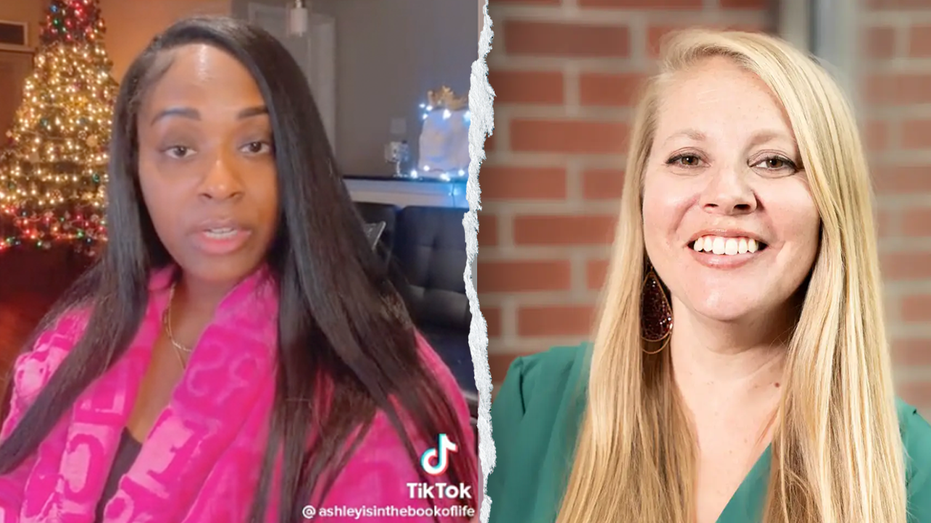
Rebecca Scofield, a University of Idaho historian, says false TikTok accusations linking her to the 2022 murders of four students left her fearful for her children’s safety. The accusations were made by Ashley Guillard, a Texas-based TikTok psychic who provided no evidence and continued posting after police said Scofield was not a suspect. A federal jury awarded Scofield $10 million in a defamation case, which Guillard has appealed. Scofield has also called for greater accountability for social media platforms and possible reforms to Section 230.
The murders occurred in Moscow, Idaho, in November 2022, while the online allegations began less than two weeks later. Scofield said the experience disrupted her work, sleep and family life, while millions of views exposed her to disturbing messages and threats. She argued that algorithm-driven platforms can make unsupported claims appear credible.
| 1) | False accusations and the legal judgment |
| 2) | Effects on Scofield’s family and university work |
| 3) | The Idaho murders and investigation timeline |
| 4) | Section 230 and platform accountability |
| 5) | The appeal and online misinformation |
False accusations and the legal judgment
Rebecca Scofield, 41, is a Harvard-educated historian and history department chair at the University of Idaho. Ashley Guillard, 41, of Houston, repeatedly published videos claiming that Scofield directed the killings and had an extramarital same-sex relationship with one of the victims. The claims involved students Scofield had never met and were not supported by evidence.
Scofield became aware of the videos around Thanksgiving, less than two weeks after the Nov. 13, 2022, attack. Her attorneys sent Guillard a cease-and-desist letter, but the posts continued. A federal jury later awarded Scofield $10 million in her defamation lawsuit. Guillard has appealed the judgment to the U.S. Court of Appeals for the Ninth Circuit.
Effects on Scofield’s family and university work
Scofield said the allegations created an immediate safety concern at home. During testimony, she described spending an entire night sitting at the end of her son’s bed because his room was closest to an entrance. She later said she patrolled the hallway outside her children’s rooms while they slept, struggled with insomnia and felt both sheltered and exposed in her house.
The campaign also affected her professional life. She stopped attending classes in person and taught remotely. According to her account, Guillard’s videos accumulated more than 100 posts and millions of views, generating calls, messages, comments and emails, including material she considered disturbing or threatening. The accusations continued after Moscow police said Scofield was not a suspect and after an arrest was made.
The Idaho murders and investigation timeline
The underlying crime occurred at an off-campus rental house on King Road in Moscow, Idaho. University of Idaho students Madison Mogen, 21, Kaylee Goncalves, 21, Xana Kernodle, 20, and Ethan Chapin, 20, were killed in a stabbing during a home invasion at about 4 a.m. on Nov. 13, 2022.
Madison Mogen, Kaylee Goncalves and Xana Kernodle lived at the house with two other roommates. Ethan Chapin was visiting Xana Kernodle, his girlfriend. Bryan Kohberger later admitted to the killings. In July 2025, he petitioned the court in an attempt to withdraw his plea. He is scheduled for a virtual hearing on a motion seeking the removal of the judge as that process continues.
Section 230 and platform accountability
Scofield argued that social media companies can amplify damaging claims through recommendation systems while receiving broad protection from defamation lawsuits under Section 230. Under the current framework, individuals who create misinformation can be sued, while platforms often have significant immunity for material posted by users.
She said proposed reforms range from creating exceptions for extreme cases to removing platform immunity altogether. Her central question is how users can obtain meaningful recourse when companies profit from systems that distribute harmful material. Scofield said legal action and public testimony are ways to challenge unsupported claims.
The appeal and online misinformation
The defamation award remains subject to Guillard’s appeal. Scofield’s account has also become a warning about how digital platforms shape public understanding before facts are established. She compared modern online communication with earlier technologies such as the printing press and radio, while arguing that algorithm-driven platforms can accelerate the spread of unsupported claims.
She said many content creators research their material carefully, but they are not necessarily bound by professional codes of conduct or formal review. In her view, repeated online claims can overtake the slower process of investigation and historical analysis. Neither Scofield nor a TikTok spokesperson immediately responded to requests for additional comment.
| Number | Key Point |
|---|---|
| 1 | Scofield was falsely accused online of directing the murders of four Idaho students. |
| 2 | A federal jury awarded Scofield $10 million in a defamation case. |
| 3 | She reported threats, sleeplessness and major disruption to her family and work. |
| 4 | Guillard has appealed the judgment to the Ninth Circuit. |
| 5 | Scofield is seeking debate over Section 230 and platform responsibility. |
Summary
The case illustrates the personal consequences that can follow when unsupported allegations are amplified online during a major criminal investigation. Scofield’s jury award addressed the claims made against her, while her public comments focus on the wider role of platforms and users in spreading misinformation. The pending appeal and debate over Section 230 will shape how the dispute develops legally and politically.
Frequently Asked Questions
Who was accused in the TikTok videos?
Rebecca Scofield, a University of Idaho historian, was falsely accused of directing the murders of four students, despite the absence of evidence supporting the claims.
Who made the accusations?
Ashley Guillard, a 41-year-old from Houston, made the allegations in TikTok videos. She has appealed the $10 million defamation judgment entered against her.
What reforms is Scofield seeking?
Scofield is calling for greater accountability for social media companies and has urged consideration of reforms to Section 230, including possible exceptions or limits to platform immunity in extreme cases.