
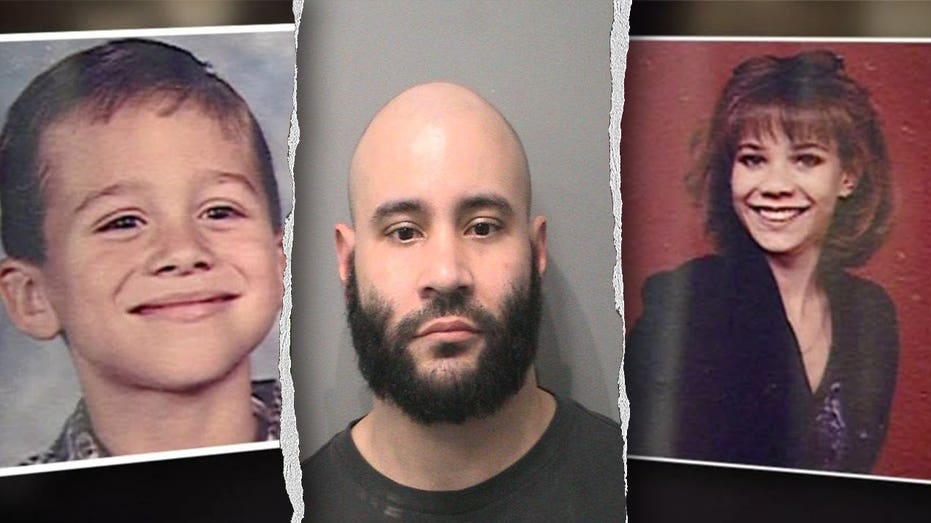
Authorities in Indiana have charged Michael Jerome James in the 2006 killings of 10-year-old Blake Dickus and his 26-year-old stepmother, Chynna Dickus. Investigators identified James as a suspect years ago, but prosecutors said a gap in state law prevented them from bringing charges because he was 14 when the killings occurred. A 2025 statute created what prosecutors say is the legal path needed to pursue the case in adult court. James, now 35, remains jailed while the question of court jurisdiction could still become a central issue.
| Article Subheadings | |
|---|---|
| 1) | Charges follow nearly two decades of investigation |
| 2) | A legal gap delayed prosecution |
| 3) | The 2025 law opened a new route |
| 4) | Investigators revisited the Franklin crime scene |
| 5) | The case now moves toward a jurisdiction fight |
Charges follow nearly two decades of investigation
Michael Jerome James appeared in Johnson Circuit Court in Franklin on Oct. 8 after a grand jury indicted him on four counts of murder. Prosecutors allege that he killed Blake Dickus and Chynna Dickus during a burglary or attempted burglary at their home on Aberdeen Drive in Franklin on July 24, 2006.
James told Judge Andrew Roesener that he did not yet have an attorney but intended to obtain one. The judge gave him until Nov. 2 to retain counsel and scheduled a status hearing for that date. James is being held without bond at the Johnson County Jail.
A legal gap delayed prosecution
The central legal problem arose from James’s age at the time of the alleged killings. Indiana law historically placed jurisdiction over crimes committed by minors in juvenile court. Because investigators did not identify or charge James while he was a juvenile, prosecutors later faced uncertainty over whether an adult court could hear a case involving conduct alleged to have occurred when he was 14.
Lance Hamner, the Johnson County prosecutor, said authorities had identified a suspect but spent years seeking a lawful way to proceed.
“We had a suspect identified. We weren’t able to bring charges for several years because we were trying to get the jurisdictional statute in place.”
The 2025 law opened a new route
Indiana changed its law in 2023 to allow adult courts to handle certain serious cases involving people accused of crimes committed as juveniles. The measure did not apply to every violent offense and depended in part on whether prosecutors could have sought adult treatment while the accused person was still a minor.
An Indiana Court of Appeals case involving child molestation allegations, followed by a decision from the Indiana Supreme Court, rejected use of the 2023 statute in circumstances prosecutors said were relevant to the Dickus case. Prosecutors then returned to lawmakers and helped develop a revised statute. The 2025 law addressed the concerns identified by the Supreme Court and provided the mechanism prosecutors used to charge James.
Mike Cunningham, a criminal defense lawyer, has argued that the law may not permit adult prosecution for conduct alleged to have occurred before the 2023 change. If James’s defense challenges jurisdiction, the courts could determine whether the murder case can proceed.
Investigators revisited the Franklin crime scene
The victims were found inside the family home in the Branigin Woods subdivision. Both suffered multiple stab wounds. Investigators also determined that Blake had blunt-force injuries and signs of smothering, while severe injuries to his hands indicated that he may have tried to defend himself.
Sean Dickus, Blake’s father, discovered the bodies. Blake’s mother, Christina Smith, had planned to collect him that day but arrived after police had surrounded the neighborhood. The family endured years without an arrest, and Sean Dickus faced public suspicion before investigators cleared him.
Detectives examined possible links to break-ins near the home and questioned construction workers who were in the neighborhood around the time of the killings. The investigation produced numerous tips but no publicly identified suspect for years. Authorities have not disclosed what evidence ultimately connected James to the case.
The case now moves toward a jurisdiction fight
The investigation remained unresolved through several stages of Lance Hamner‘s career. He was Johnson County prosecutor when the killings occurred, later became a judge, and learned in 2021 that investigators believed they had made a significant breakthrough. That development influenced his decision to return to the prosecutor’s office.
Franklin Police Capt. Jeff Dawe said James is the first lead in the nearly 20-year investigation supported by forensic evidence, although officials have not described the evidence publicly. The next major step is expected to be James’s Nov. 2 status hearing, followed by a pretrial conference scheduled for Dec. 10. The defense could challenge whether the 2025 statute can constitutionally support prosecution for the 2006 allegations.
| No. | Key Point |
|---|---|
| 1 | James faces four murder counts tied to the 2006 deaths. |
| 2 | He was 14 when the killings allegedly occurred. |
| 3 | A 2025 Indiana law created the prosecution route used in the case. |
| 4 | The defense may contest adult-court jurisdiction. |
Summary
The indictment marks a major development in a case that remained open for nearly 20 years. However, prosecutors must still overcome a likely legal challenge over whether Indiana’s revised juvenile jurisdiction rules can apply to alleged conduct from 2006. The court’s decision on that issue could determine whether the murder prosecution proceeds.
Frequently Asked Questions
Who was killed in the 2006 case?
Ten-year-old Blake Dickus and his 26-year-old stepmother, Chynna Dickus, were killed inside their Franklin, Indiana, home on July 24, 2006.
Who has been charged?
Michael Jerome James, who was 14 at the time of the killings and is now 35, faces four counts of murder.
What happens next?
James is due in court for a status hearing on Nov. 2, with a pretrial conference scheduled for Dec. 10. His defense may challenge whether the adult court has jurisdiction.