
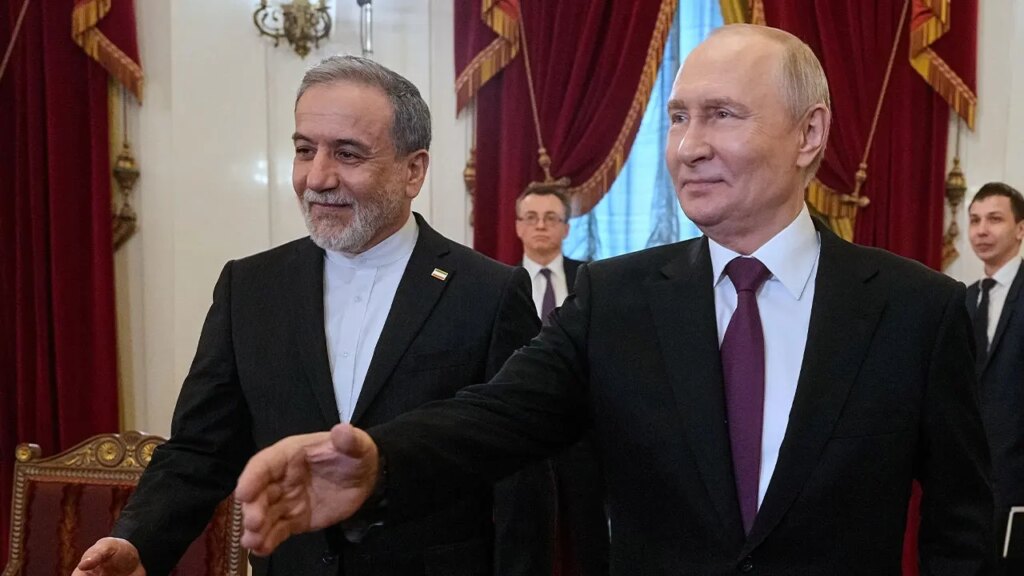
Tehran is enhancing its financial and military alliances with Beijing and Moscow as it seeks to navigate the increasing pressures imposed by the United States. This strategic pivot towards non-Western powers comes at a time when the U.S. is intensifying its sanctions and economic measures, creating significant challenges for Iran. Regional security analysts warn that these developments could redefine power dynamics in the region and further isolate the U.S. from key geopolitical maneuvers.
| Article Subheadings |
|---|
| 1) Iran’s Economic Strategy Amid Sanctions |
| 2) The Role of BRICS and SCO in Iranian Relations |
| 3) The Military Alliance with Russia |
| 4) The Response from the United States |
| 5) Implications for Global Geopolitics |
Iran’s Economic Strategy Amid Sanctions
As the United States continues to ramp up its economic sanctions against Iran, officials in Tehran are adopting a strategy aimed at circumventing U.S. measures. The Iranian government has actively sought partnerships with countries like China and Russia, which have faced their own pressures from Washington. This adaptive approach is essential for Iran’s survival, allowing it to access alternative financial resources and military supplies that might not be subject to the same types of sanctions imposed by the West.
Iran’s financial strategies are increasingly aligned with non-Western blocs, positioning itself as a pivotal player in transnational networks that challenge American influence. These actions reflect a broader adaptation to the reality of diminished access to Western markets and financial systems, aiming instead to establish stronger ties with nations that have similar geopolitical interests.
Recent comments from Iranian leaders underscore this shift; they express confidence in the strength and resilience of Tehran’s alliances. “In light of global changes, we are focused on enhancing our economic independence from Western pressures,” asserts Mohammad Bagher Ghalibaf, the Speaker of the Iranian Parliament, illustrating Tehran’s determination to resist U.S. economic strategies.
The Role of BRICS and SCO in Iranian Relations
Iran’s alignment with organizations such as BRICS (Brazil, Russia, India, China, and South Africa) as well as the Shanghai Cooperation Organization (SCO), is part of its broader strategy to integrate into economic and security networks that could provide support against American sanctions. The BRICS nations have openly stated their commitment to fostering economic cooperation that sidesteps U.S. influence, making it an appealing partnership for Iran.
According to Iranian officials, the potential membership in the New Development Bank, which serves BRICS nations, symbolizes Tehran’s intent to solidify its economic alliances with these countries. Abdolnaser Hemmati, the governor of the Central Bank of Iran, mentioned, “Joining the BRICS-backed New Development Bank will help bolster our financial resilience.”
Furthermore, the SCO, which focuses on regional security and cooperation, provides an avenue for Iran to build diplomatic ties with influential Asian powers. This relationship fosters congruence in political interests, particularly in countering Western hegemony in international affairs.
The Military Alliance with Russia
Iran’s collaboration with Russia extends beyond economic ties to military cooperation, evident in reported arms shipments, including drones and other military equipment. Analysts suggest that these exchanges not only strengthen Iran’s defense capabilities but also signify an emerging alliance aimed at countering U.S. military presence in the region.
Reports indicate that Russia has been supplying Iran with crucial military technology, which Tehran desperately needs to bolster its defense infrastructure amid constant threats from perceived enemies, particularly Israel and the United States. This relationship is seen as a two-way street, with Russia benefiting from Iran’s strategic position in the Middle East, particularly regarding access to regional markets and influence.
As these military ties deepen, Iran is maneuvering to project power in the Persian Gulf and beyond. Both countries share a vested interest in undermining U.S. interests, thus reinforcing their alliance as strategic partners against common adversaries.
The Response from the United States
In reaction to these developments, the United States government has intensified its campaign to isolate Iran economically and politically. This escalated pressure is underscored by recent statements from high-ranking officials, including the President, who described their sanctions as “the most crushing economic operation ever taken against any country.” Such declarations indicate the administration’s determination to disrupt Iran’s growing partnerships with non-Western allies.
U.S. officials have also expressed concerns over Russia’s military support for Iran, fearing that it might enable Tehran to enhance its regional military capabilities. This dynamic complicates U.S. efforts to contain Iran and maintain stability in the Middle East.
The potential consequences of Iran’s enhanced relationships with Russia and China further myraid. Analysts warn that if these allegiances solidify, the U.S. could face an increasingly formidable counterforce in Iran, challenging American geopolitical interests and altering the strategic landscape.
Implications for Global Geopolitics
Iran’s growing engagement with China and Russia could have far-reaching implications for global geopolitics. As Tehran strengthens its ties with these powers, it not only carves out financial and military partnerships but also contributes to the broader narrative of an anti-American bloc. This coalition may potentially reshape alliances in various regions, including Asia and the Middle East, as nations reevaluate their positions concerning U.S. influence.
Moreover, these partnerships could serve to destabilize the current international order, where U.S. influence has been dominant. By integrating more deeply with Iran, China and Russia may solidify their roles as counterweights to U.S. global dominance, signaling a potential shift towards a multipolar world.
The geopolitical landscape is further complicated by Iran’s historical role as a supporter of militant groups in the region. The intersection between state actors and non-state actors, facilitated by Iran’s strengthened alliances, could pose significant challenges for U.S. policy in the Middle East, requiring a reassessment of strategic priorities and tactics to maintain stability.
| No. | Key Points |
|---|---|
| 1 | Tehran is increasingly relying on military and financial support from China and Russia in light of U.S. sanctions. |
| 2 | Iran’s positioning within BRICS and SCO reflects a significant shift towards non-Western alliances. |
| 3 | Military cooperation with Russia is enhancing Iran’s defense capabilities and regional influence. |
| 4 | The U.S. has intensified its campaign to isolate Iran, signaling growing concerns over its alliances. |
| 5 | Iran’s ties with China and Russia could significantly alter global geopolitical dynamics, challenging U.S. influence. |
Summary
Iran’s recent strategic pivot towards China and Russia highlights significant shifts in the global balance of power. As the U.S. exerts intense economic pressure on Tehran, the latter’s deepening relationships with non-Western nations may provide it with crucial support in navigating these challenges. The underlying dynamics could reshape alliances in the political landscape, potentially diminishing U.S. influence in the Middle East and beyond.
Frequently Asked Questions
Question: How is Iran adapting to U.S. sanctions?
Iran is enhancing its relationships with nations like China and Russia to secure financial and military support as a means to navigate and withstand U.S.-imposed sanctions.
Question: What role does BRICS play in Iran’s strategy?
BRICS serves as a significant platform for Iran to strengthen economic ties with emerging economies that have similar interests in countering U.S. influence on the global stage.
Question: What are the implications of Iran’s military cooperation with Russia?
Iran’s military collaboration with Russia is expected to enhance its defense capabilities and strategic position in the region, potentially complicating U.S. efforts to exert control in the Middle East.