
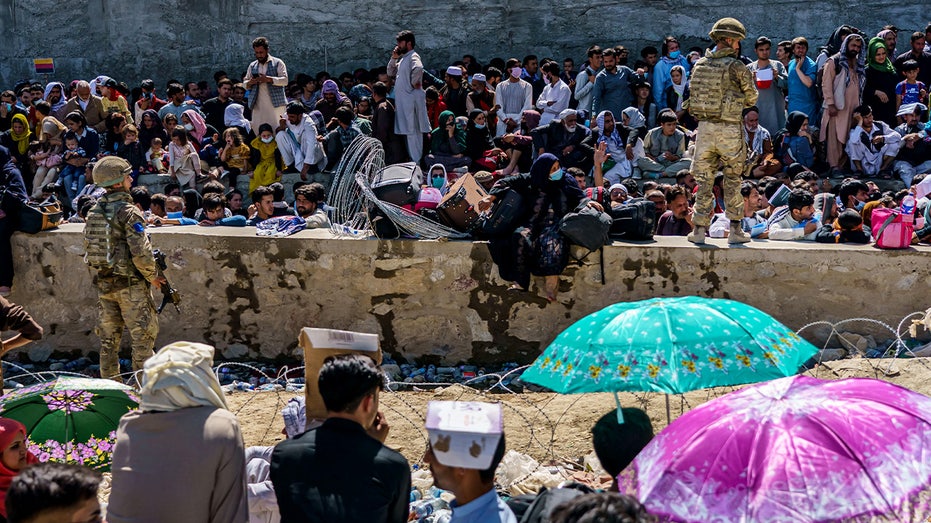
Mohammed Sharifullah, an alleged ISIS-K militant, has been sentenced to 20 years in prison for supporting the suicide bombing at Kabul airport’s Abbey Gate in 2021. The attack killed 13 U.S. service members and more than 160 Afghans during the American withdrawal from Afghanistan. Sharifullah was convicted in April of conspiracy related to the bombing after admitting that he surveilled a possible route for the attacker. A jury did not unanimously determine that deaths resulted from the conspiracy, preventing a potential life sentence.
| 1) | The sentence and conviction |
| 2) | The Abbey Gate attack and its toll |
| 3) | Sharifullah’s role in the operation |
| 4) | The investigation and capture |
| 5) | Reaction from officials and victims’ families |
The sentence and conviction
A federal court sentenced Mohammed Sharifullah to 20 years in prison on September 16, 2026, for providing material support to ISIS-K and conspiring in connection with the Kabul airport bombing. He was convicted in April after prosecutors presented evidence linking him to the attack operation. The sentence reflects the conspiracy conviction, although jurors deadlocked on whether deaths at the airport resulted from that conspiracy. Because the jury did not reach a unanimous finding on that issue, Sharifullah avoided a possible life sentence.
The Abbey Gate attack and its toll
The bombing occurred on August 26, 2021, at Hamid Karzai International Airport in Kabul, where U.S. forces were conducting evacuation operations during the final days of the withdrawal from Afghanistan. A lone suicide bomber detonated an improvised explosive device near Abbey Gate, an entrance used by people seeking to leave the country. More than 160 Afghans and 13 U.S. military service members were killed. The U.S. withdrawal concluded days later as the Taliban returned to control of Afghanistan.
Sharifullah’s role in the operation
Evidence presented at trial showed that Sharifullah helped prepare the attack by scouting a possible route to Abbey Gate for the suicide bomber. During FBI interviews, he admitted checking the route for law enforcement personnel and American or Taliban checkpoints. Prosecutors said ISIS-K members gave him a motorcycle, money for a cellphone, a SIM card and instructions to create a social media account for communication during the operation.
The evidence described Sharifullah’s assignment as surveillance and logistical support rather than the act of detonating the device himself. Prosecutors also introduced evidence concerning other ISIS-K attacks in Afghanistan in which he acknowledged involvement, portraying him as part of the group’s wider campaign of violence against civilians.
The investigation and capture
The case was built through law enforcement interviews and evidence gathered during the investigation into the airport attack. Donald Trump announced Sharifullah’s capture during a March 2025 address to lawmakers, saying the suspect was being brought to the United States to face prosecution. The case ultimately proceeded in an American court, where the April conviction established his criminal responsibility for conspiracy connected to the bombing.
The prosecution focused on the planning and assistance that enabled the attack. The sentence was imposed after the court considered the conviction and the jury’s limited finding on the connection between the conspiracy and the deaths.
Reaction from officials and victims’ families
Assistant Attorney General for National Security John Eisenberg said Sharifullah had supported terrorist attacks for nearly a decade and contributed to the deaths at Abbey Gate. He said the sentence was intended to hold Sharifullah accountable and warned that the United States would continue pursuing people involved in attacks against Americans.
Mark Schmitz, whose son, Marine Lance Cpl. Jared Schmitz, died in the bombing, said the 20-year sentence was not enough for someone involved in the attack. He added that although the bombing took his son physically, it could not erase his legacy. Attorney General Todd Blanche said no sentence could reverse the families’ losses but expressed hope that the judgment would provide some measure of justice.
| Number | Key Point |
|---|---|
| 1 | Sharifullah was sentenced to 20 years in prison. |
| 2 | The August 2021 bombing killed 13 U.S. service members and more than 160 Afghans. |
| 3 | He admitted surveilling a route and checking security checkpoints near Abbey Gate. |
| 4 | Jurors deadlocked on whether deaths resulted from the conspiracy. |
Summary
The 20-year sentence closes a major U.S. prosecution arising from the Abbey Gate bombing, while the families of those killed continue to live with the consequences of the attack. The case established that Sharifullah provided surveillance and logistical assistance to ISIS-K during the evacuation. Officials described the judgment as accountability for his role, even as they acknowledged that no sentence can restore the lives lost.
Frequently Asked Questions
Who was sentenced in the Abbey Gate case?
Mohammed Sharifullah, an alleged ISIS-K militant, was sentenced for conspiracy and material support connected to the 2021 bombing.
When and where did the bombing occur?
The attack occurred on August 26, 2021, near Abbey Gate at Hamid Karzai International Airport in Kabul, Afghanistan.
What was Sharifullah’s reported role?
He admitted surveilling a route for the attacker and checking for law enforcement and American or Taliban checkpoints while also receiving logistical support from ISIS-K.