
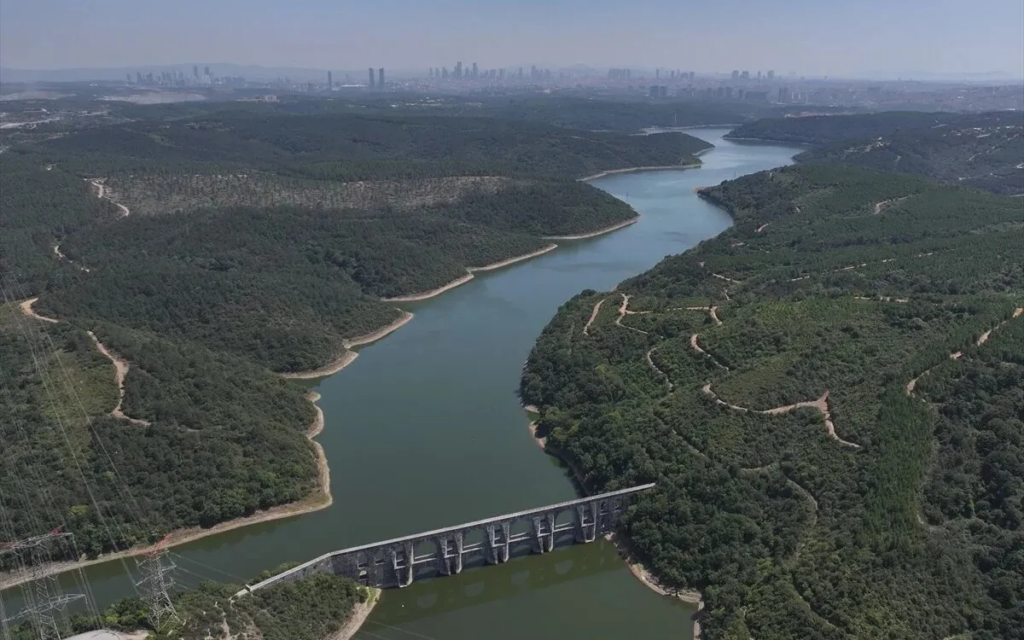
Recent heavy rainfall in İstanbul has resulted in a significant increase in the city’s reservoir levels, surpassing 50% for the first time since 2018. According to data from the İstanbul Water and Sewerage Administration (İSKİ), the average fill rate has risen from 38.06% on October 14 to 52.43% by October 18. However, this welcome development has been overshadowed by tragic flooding incidents that have led to multiple fatalities and missing persons in the region.
| Article Subheadings |
|---|
| 1) Heaviest rainfall in decades |
| 2) Fill rates by dams |
| 3) Reservoir levels over the past 10 years |
| 4) Flooding impact and casualties |
| 5) Future implications for water supply |
Heaviest rainfall in decades
The recent rainfall event in İstanbul is recorded as one of the heaviest in 84 years, marking an extreme meteorological shift for the region. As reported by officials, the peak rainfall occurred in the northern sections of İstanbul. The district of Beykoz experienced an astonishing 277.1 kilograms of rain per square meter, which is the highest amount recorded since 1942. Areas surrounding the Bosphorus, including Sarıyer, Eyüpsultan, and Arnavutköy, predominantly received between 130 and 277 kilograms per square meter.
This surge in precipitation is significant as it stands nearly four times the city’s long-term average for October. The duration and intensity of this rainfall reveal a crucial aspect of changing weather patterns impacting the region, contributing to more frequent and severe weather events.
Fill rates by dams
In the wake of increased rainfall, the reservoir fill rates across İstanbul show substantial variation. The reservoir with the highest fill rate is Elmalı, boasting a remarkable 77.48%, followed closely by Darlık at 75.75% and Alibey at 75.03%. However, some dams such as Pabuçdere and Kazandere remain critically low, at 3.58% and 8.08%, respectively. Overall, these rates reveal the city’s complex water management challenges, exacerbated by historical low levels prior to the rainfall.
Moreover, as of this year, İstanbul has received a total of 572.12 million cubic meters of water from external sources, demonstrating dependency on supplemental water supplies. This includes significant contributions from the Melen and Yeşilçay Rivers. As a backdrop, the city’s drinking water treatment facilities have managed to supply 918.02 million cubic meters of water this year, indicating ongoing strain in meeting the growing needs of the urban population.
Reservoir levels over the past 10 years
A snapshot of the reservoir levels over the past decade highlights the challenges faced by İstanbul in terms of water scarcity and management. On October 18, the fill rate stood at 52.43%, marking the third-highest figure in ten years, following figures recorded in 2017 and 2018. For example, in 2016 the level was at 41.35%, rising slightly in subsequent years but dipping to a concerning 21.29% in 2023. This historical data suggests that while the recent rainfall provides temporary relief, long-term water sustainability may still be a pressing concern.
The fluctuations in water levels indicate severe drought years punctuated by sporadic heavy rain. This pattern raises alarms for future water supply stability and effective infrastructure planning, as officials work to combat both drought and flooding extremes.
Flooding impact and casualties
The recent floods in İstanbul have resulted in tragic consequences, with reported fatalities mounting to at least five individuals. The flooding has also left two individuals missing, leading to rescue operations across various flooded neighborhoods. Neighboring areas such as Kocaeli have experienced similar tragedies, with one death reported in the province.
These unfortunate incidents underscore not only the immediate human cost but also the expansive impact on infrastructure and daily life. The response of local authorities has been critical; rescue operations, road closures, and emergency provisions have been swiftly initiated to assist those affected. Public safety measures are now under scrutiny, prompting discussions about the effectiveness of urban planning amidst such unpredictable weather patterns.
Future implications for water supply
The recent increase in water levels offers a glimmer of hope against the backdrop of a looming water crisis. However, officials warn that the situation remains delicate. Continuous monitoring and a comprehensive approach to water management are essential to leverage the benefits of such heavy rainfall.
Plans are being revisited to incorporate more sustainable practices that can balance the dual pressures of flooding and drought. Enhancing infrastructure, improving reservoir capacities, and promoting water conservation are integral to safeguarding the city’s water supply for future generations. The recent events serve as a reminder of the need for proactive measures and robust environmental policies in the face of climate change.
| No. | Key Points |
|---|---|
| 1 | İstanbul’s reservoir levels have increased to 52.43% due to recent heavy rains. |
| 2 | The city experienced the heaviest rainfall in 84 years, with Beykoz receiving 277.1 kg/m². |
| 3 | Certain reservoirs show critical low levels, pointing to ongoing water management challenges. |
| 4 | The floods have resulted in the deaths of at least five people, with several others missing. |
| 5 | Future water supply plans will focus on enhancement of infrastructure and sustainability. |
Summary
In summary, while recent rainfall has provided much-needed relief to İstanbul’s reservoirs, it has also highlighted the city’s vulnerability to extreme weather events. The increase in water levels, the tragic incidents of flooding, and the looming threat of drought necessitate a comprehensive approach to water management. As officials grapple with these challenges, the focus will undoubtedly shift toward developing sustainable infrastructure and policies that safeguard the city’s water future.
Frequently Asked Questions
Question: What were the rainfall levels recorded during the recent storms in İstanbul?
The rainfall reached as high as 277.1 kilograms per square meter in Beykoz, and many districts received significantly high levels nearing this amount, marking the heaviest rainfall in 84 years.
Question: How have recent rainfall levels affected the reservoir status in İstanbul?
The average fill rate of İstanbul’s reservoirs increased from 38.06% to 52.43%, signaling a critical recovery in water supplies following the recent rains.
Question: What measures are being taken to address the water crisis in İstanbul?
Officials are focusing on enhancing infrastructure, increasing reservoir capacities, and implementing sustainable water management practices to ensure a reliable water supply for the future.