
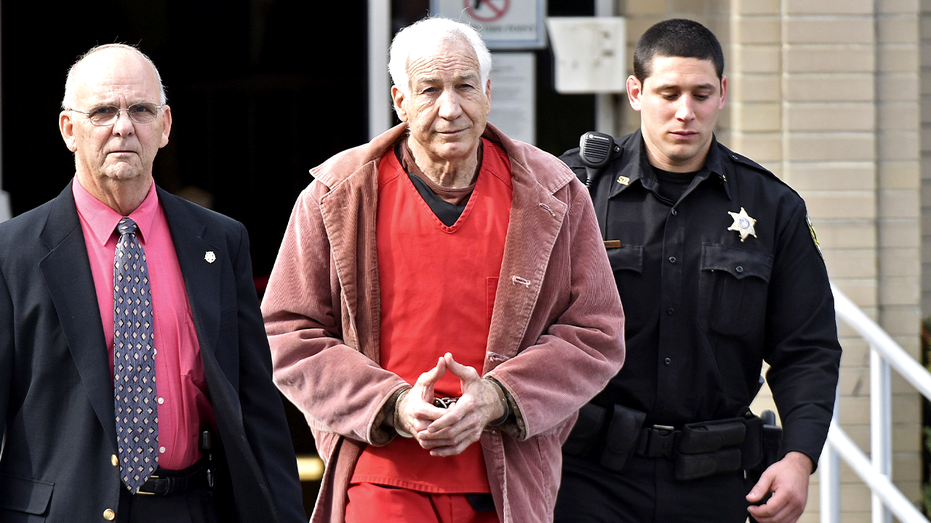
Jerry Sandusky is scheduled to return to a Pennsylvania courtroom in September for an evidentiary hearing after one accuser recanted testimony from his 2012 child sex abuse trial. Sandusky, 82, is serving a 30-to-60-year prison sentence after being convicted on 45 counts. His latest post-conviction petition alleges that authorities influenced witnesses through therapy and suggestive interviews. Prosecutors dispute the relevance and admissibility of some evidence Sandusky’s lawyers want to present.
| 1) | Court schedules hearing after recantation |
| 2) | Sandusky’s amended petition challenges witness influence |
| 3) | Recanting witness describes alleged coaching |
| 4) | Prosecutors seek limits on testimony and scope |
| 5) | Hearing will address post-conviction claims |
Court schedules hearing after recantation
A Pennsylvania judge granted Sandusky an evidentiary hearing after a witness identified as R.R. in court documents recanted allegations made before Sandusky’s trial. The hearing is scheduled for Tuesday, September 8, at 9:30 a.m. at the Centre County Courthouse in Bellefonte.
The proceeding follows a post-conviction relief petition filed by Sandusky in September 2025. A judge initially dismissed the petition, but that decision was vacated because of a procedural error. The court later approved a hearing focused on evidence connected to R.R.’s recantation.
Sandusky’s amended petition challenges witness influence
Sandusky’s lawyers argue that authorities used questionable tactics to shape testimony from accusers. Their amended petition alleges that therapy, suggestive interviewing and undisclosed changes in witness accounts affected the testimony presented against him.
The filing also raises additional claims, including alleged due-process violations and an assertion that Sandusky should receive a new trial because prosecutors influenced another witness and later profited from that person’s allegations. Sandusky has continued to maintain his innocence during more than a decade in prison.
“Affidavits from R.R. and the mother of alleged Victim 9 also establish that the Commonwealth engaged in questionable tactics to influence testimony of its witnesses,” Sandusky’s attorneys wrote.
Recanting witness describes alleged coaching
In an exhibit attached to the petition, R.R. said he was encouraged during the pretrial process to accept details he did not fully remember. The account alleges that discussions about trauma and fragmented memory made it easier for him to affirm information he could not independently recall.
“Throughout the pretrial process, I was told, both directly and indirectly, that trauma may have fragmented my memory, and that I could safely affirm details I did not fully recall. I was assured this was common and even expected,” R.R. is quoted as saying.
Sandusky’s attorneys say R.R. was coached and asked to revisit and reframe his allegations. R.R.’s estranged wife, identified in the filings as Jasmine Rittmeyer, submitted an affidavit and may testify at the hearing.
Prosecutors seek limits on testimony and scope
The Pennsylvania Attorney General’s Office argues that Rittmeyer’s views about events that allegedly occurred when R.R. was 10 are not relevant to Sandusky’s guilt or innocence. Deputy attorneys general Cari Mahler and Jaime Keating asked the court to prevent her from offering opinions about whether R.R. told the truth at trial.
Prosecutors also contend that an investigator, Frank Parlato, contacted R.R. and suggested that recanting testimony would be beneficial. They want the court to keep the hearing focused on the circumstances of R.R.’s recantation rather than reopening every issue from Sandusky’s original prosecution.
“The opinion of R.R.’s estranged spouse thirteen years after defendant’s trial, pondering what she thinks may or may not have really happened to R.R. when he was 10 years old, or any other Sandusky child victim for that matter, is irrelevant and inadmissible,” prosecutors wrote.
Hearing will address post-conviction claims
Sandusky was convicted in June 2012 on 45 counts of child sex abuse and sentenced to 30 to 60 years in prison. Earlier petitions seeking post-conviction relief were denied. The new hearing gives his defense an opportunity to present evidence concerning the recantation and alleged witness influence.
The hearing itself will not automatically overturn Sandusky’s conviction or order a new trial. The court must evaluate the testimony and affidavits, determine what evidence is admissible, and decide whether the claims satisfy the requirements for post-conviction relief.
| Number | Key Point |
|---|---|
| 1 | The evidentiary hearing is scheduled for September 8 in Bellefonte, Pennsylvania. |
| 2 | The hearing follows R.R.’s recantation of testimony connected to Sandusky’s trial. |
| 3 | Sandusky’s lawyers allege authorities influenced witnesses through therapy and interviews. |
| 4 | Prosecutors seek to limit testimony from Jasmine Rittmeyer and narrow the hearing’s scope. |
| 5 | The proceeding could determine whether Sandusky’s post-conviction claims warrant further relief. |
Summary
The upcoming hearing will examine a recanted account and competing claims about how testimony was developed before Sandusky’s conviction. Prosecutors oppose broad testimony about the case, while Sandusky’s defense seeks to use the new evidence to support post-conviction relief. No change to his conviction or sentence has been ordered.
Frequently Asked Questions
Why was Jerry Sandusky granted an evidentiary hearing?
The hearing was granted after an accuser identified as R.R. recanted testimony, and after a prior dismissal of Sandusky’s petition was vacated because of a procedural error.
When and where will the hearing take place?
It is scheduled for 9:30 a.m. on Tuesday, September 8, at the Centre County Courthouse in Bellefonte, Pennsylvania.
Will the hearing automatically give Sandusky a new trial?
No. The court must first assess the recantation, affidavits and other claims before deciding whether any post-conviction relief is warranted.