
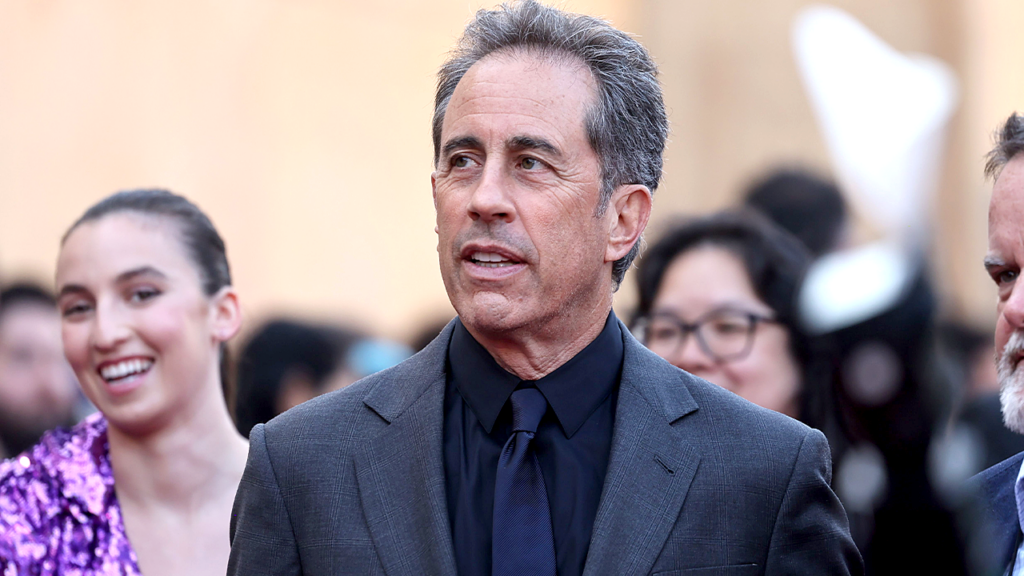
In a recent performance in Chicago, comedian Jerry Seinfeld faced protests from anti-Israel activists who disrupted his show by accusing Israel of genocide. In response, Seinfeld humorously engaged with the hecklers, making light of the situation while security escorted the protesters out of the venue. This incident highlighted the ongoing tensions surrounding Seinfeld’s support for Israel and has raised questions about the intersection of entertainment and political expression.
| Article Subheadings |
|---|
| 1) Overview of the Incident |
| 2) Reaction from Jerry Seinfeld |
| 3) Details of the Protest |
| 4) Context of Seinfeld’s Political Views |
| 5) Broader Implications on Celebrity and Activism |
Overview of the Incident
On a Friday night in Chicago, acclaimed comedian Jerry Seinfeld was performing at the Chicago Theatre when a group of activists attempted to derail his act with shouts accusing Israel of committing “genocide” in Gaza. The heckling began as the audience settled in for a night of humor but soon turned serious as demonstrators raised their voices against what they termed the use of American taxpayer money to fund violence against Palestinians. The original intent of the performance, a space for laughter and entertainment, quickly transformed into a platform for heated political discourse.
Witnesses reported that as Seinfeld addressed the crowd, he was met with aggressive chants blaming the U.S. government for supporting Israeli military actions in Gaza. This unexpected climate of political tension created a unique dynamic in the theater, where the purpose of comedy as an escapist medium clashed with urgent political sentiment being expressed by the protesters.
Reaction from Jerry Seinfeld
Unfazed by the disruptions, Seinfeld chose to embrace the moment with humor. As security personnel began escorting the hecklers out of the theater, he mockingly danced on stage and delivered sarcastic remarks. “
It’s a genocide. I’m into it.
” he quipped, turning the protest into an opportunity for comedy. He added that he would find out how much the demonstrators had paid for their tickets and would send that amount to Israel, illustrating his intent to diffuse the serious allegations with humor.
Audience members had mixed reactions, with some expressing amusement at Seinfeld’s antics while others shouted remarks like, “Rough her up!” illustrating the charged atmosphere. This interaction emphasized Seinfeld’s ability to navigate controversies while drawing substantial attention to his comedic performances.
Details of the Protest
The protest was organized by the Anti-War Committee Chicago and the local branch of the US Palestinian Community Network. In a statement shared on Instagram, the organizers claimed responsibility for their actions, declaring, “Friday’s disruption sent a clear message: Those who defend Israel’s genocide and ethnic cleansing of Palestinians in Gaza are not welcome on Chicago’s stages without opposition.” They aimed to highlight what they perceived as complicity by American entertainers in the political actions of Israel.
As the crowd boomed with mixed reactions, the disruption not only drew the attention of those present in the theater but also those around the country who watched video clips shared online. Protests at comedy shows are relatively rare, making this event all the more noteworthy in the context of American entertainment and contemporary activism.
Context of Seinfeld’s Political Views
Seinfeld’s defense of Israel has become a signature aspect of his public persona, particularly in light of increasing tensions in the Israel-Palestine conflict. Historically, he has faced backlash for his outspoken views—most notably during a commencement speech at Duke University where students protested his presence by walking out. Seinfeld has made it clear that he prefers not to engage in political discussions, as evidenced by statements highlighting his disdain for interruptions to his performances.
In earlier comments, Seinfeld has likened protests against Jewish individuals and the State of Israel to expressions of anti-Semitism. His June 2024 comments comparing the movement to the KKK were particularly controversial; he argued that calls for “Free Palestine” mask deeper biases against Jews. These views have positioned him squarely in the crosshairs of activists but have also cultivated a loyal following of fans who share his perspective on Israel’s right to exist.
Broader Implications on Celebrity and Activism
The confrontation at Seinfeld’s show is not an isolated incident but part of a growing trend where entertainers are increasingly targeted by activist groups for their perceived political stances. Commentators like media analyst Tim Young have suggested that protests at such events are rooted in a desire for visibility and to evoke a response from high-profile figures. Young articulated that activists may be willing to pay hefty ticket prices simply to disrupt a performance, similar to the climate seen at political rallies.
The event raises essential questions about free speech, artistic expression, and the responsibilities of public figures in politically charged climates. While some argue that protesting comedians dilutes the potency of political discourse, others assert that it is a necessary action to confront public figures who promote controversial viewpoints. Seinfeld’s ongoing experiences suggest a critical examination of the relationship between celebrity culture and activism, laying bare the complexities involved when art meets activism.
| No. | Key Points |
|---|---|
| 1 | Jerry Seinfeld faced protests during his performance in Chicago. |
| 2 | Activists accused Israel of genocide and condemned U.S. taxpayer funding. |
| 3 | Seinfeld responded with humor, turning the moment into a comedic exchange. |
| 4 | The protest was organized by anti-war and Palestinian advocacy groups. |
| 5 | The incident reflects a broader trend of activism targeting entertainers over political views. |
Summary
The recent confrontation at Jerry Seinfeld’s Chicago performance illustrates the complexities at the intersection of celebrity culture and political activism. As performers increasingly face backlash for their political affiliations, the incident serves as a reminder of the tensions inherent in public discourse today. Seinfeld’s humorous handling of this disruption highlights his commitment to maintaining the integrity of his craft, albeit in the face of significant controversy, leaving a lasting impact on both his audience and the broader conversation surrounding artistic expression amid social and political tumult.
Frequently Asked Questions
Question: What sparked the protests during Jerry Seinfeld’s Chicago show?
The protests were sparked by demonstrators who accused Israel of genocide and criticized U.S. taxpayer funding of military actions in Gaza, creating a politically charged atmosphere during the performance.
Question: How did Jerry Seinfeld respond to the hecklers during the performance?
Seinfeld engaged with the hecklers humorously, mocking their protests while maintaining his comedic style. He made sarcastic comments about the situation, attempting to turn the disruption into a comedic routine.
Question: What does this incident say about celebrity involvement in political issues?
This incident highlights the growing trend of activists targeting celebrities for their political views, raising important questions about the influence of public figures on social issues and the challenges they face in balancing entertainment with activism.