
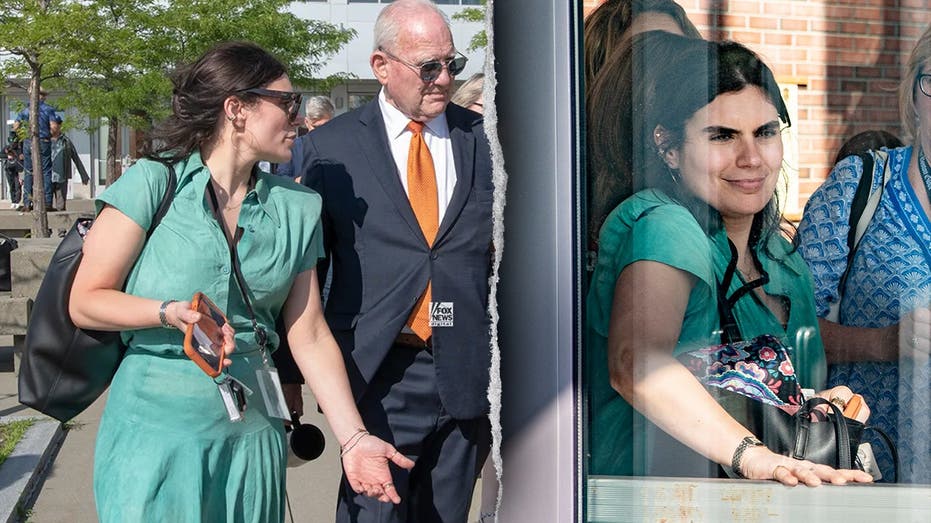
A journalist credentialed to cover the Lindsay Clancy murder trial has been removed from the assignment after a courtroom video of her smiling and winking went viral. Brittany Romano had been expected to write a personal essay about growing up with Clancy, but the magazine involved said it identified clear conflicts with its editorial standards and processes. Romano defended her conduct in a lengthy social media statement, saying she smiles when anxious and uncomfortable. She also said she received threats and abusive messages after the clip spread online.
The incident occurred during proceedings at Plymouth Superior Court in Massachusetts on Monday, August 24, 2026. The trial concerns the deaths of Clancy’s three children and has drawn intense public attention because of the case’s allegations involving postpartum psychosis and maternal mental health.
| 1) | Viral courtroom footage draws criticism |
|---|---|
| 2) | Magazine ends Romano’s trial assignment |
| 3) | Romano explains her courtroom expression |
| 4) | Case coverage centers on mental health |
| 5) | Online backlash intensifies after the clip |
Viral courtroom footage draws criticism
The video was recorded during Monday’s proceedings at Plymouth Superior Court and appeared to show Brittany Romano smiling, posing and winking toward a courtroom camera. The footage was distributed through the trial’s pool camera feed and quickly circulated across social media and news coverage, generating millions of views according to the available report.
Many viewers criticized the behavior as inappropriate because it occurred during a murder trial involving the deaths of three children. The reaction focused on the apparent contrast between the expression captured on camera and the gravity of the proceedings.
Magazine ends Romano’s trial assignment
Romano had been credentialed by a magazine to attend and cover the trial. Her planned work was not intended to be only a standard courtroom report. The publication said it was considering a personal essay about Romano’s experience growing up with Lindsay Clancy, establishing a personal connection between the journalist and the defendant.
After the video and the surrounding controversy, the magazine said it informed Romano on Tuesday that it would not proceed with the essay. It also notified the court that Romano was no longer credentialed by the publication. The statement cited clear conflicts with editorial standards and processes, without providing additional details.
“We were interested in the prospect of a personal essay by Brittany Romano about her experience growing up with Lindsay Clancy. Yesterday, after clear conflicts with our editorial standards and processes, we informed Romano that we were not moving forward with her essay and informed the court that she is no longer credentialed by Vanity Fair.”
Romano explains her courtroom expression
Romano addressed the backlash in a lengthy Instagram statement posted Tuesday. She argued that a smile should not be treated as evidence of indifference and said her expressions were connected to the way she manages anxiety and discomfort.
“I smile through anxiety. I smile when I’m uncomfortable. That is not indifference, it is a nervous system managing strain the only way it knows how.”
She also said the expressions were intended for family members watching the broadcast. Romano rejected calls for an apology and maintained that she had spent two years seeking to cover the case honestly.
Case coverage centers on mental health
In her statement, Romano described the case as involving a mother accused of killing her three children during postpartum psychosis. She said public discussion had shifted between portraying Clancy as a monster and examining what may have happened to her, adding that women’s mental health was central to her interest in the story.
The comments reflect the broader sensitivity surrounding the trial. The proceedings involve serious criminal allegations, while the defense and public discussion have also focused on Clancy’s reported mental health before the deaths. The courtroom incident placed the journalist’s conduct alongside those difficult issues and intensified scrutiny of her role as a credentialed observer.
Online backlash intensifies after the clip
Romano said the online response went beyond criticism of the video. She reported receiving messages telling her to harm herself, threats to kill her while she slept and information about methods of suicide. She used those messages to argue that people defending mental health should not respond by threatening another person’s life.
The public dispute now involves both editorial accountability and the limits of online reaction to courtroom conduct. The magazine’s decision ended Romano’s formal role in the coverage, while her statement sought to explain the incident and condemn the threats directed at her.
| Number | Key Point |
|---|---|
| 1 | A video showed Romano smiling and winking during trial proceedings. |
| 2 | The footage drew widespread criticism online. |
| 3 | A magazine ended Romano’s planned personal essay and withdrew her credentials. |
| 4 | Romano said her expression was a response to anxiety, not indifference. |
| 5 | She reported receiving threats and abusive messages after the backlash. |
Summary
The decision to remove Romano from the trial assignment followed a viral courtroom moment and the publication’s assessment of conflicts with its editorial standards. Romano has defended her conduct, emphasized her interest in mental health and condemned threats against her. The episode underscores the heightened scrutiny surrounding behavior, journalism and public commentary during a high-profile criminal trial.
Frequently Asked Questions
Why was Brittany Romano removed from the trial assignment?
The magazine said it identified clear conflicts with its editorial standards and processes, ended plans for her personal essay and told the court she was no longer credentialed.
What did the viral video show?
The footage appeared to show Romano smiling, posing and winking toward a courtroom camera during proceedings on August 24, 2026.
How did Romano respond?
Romano said she smiles when anxious or uncomfortable, argued that the expression was not indifference and reported receiving threats and abusive messages after the clip spread.