
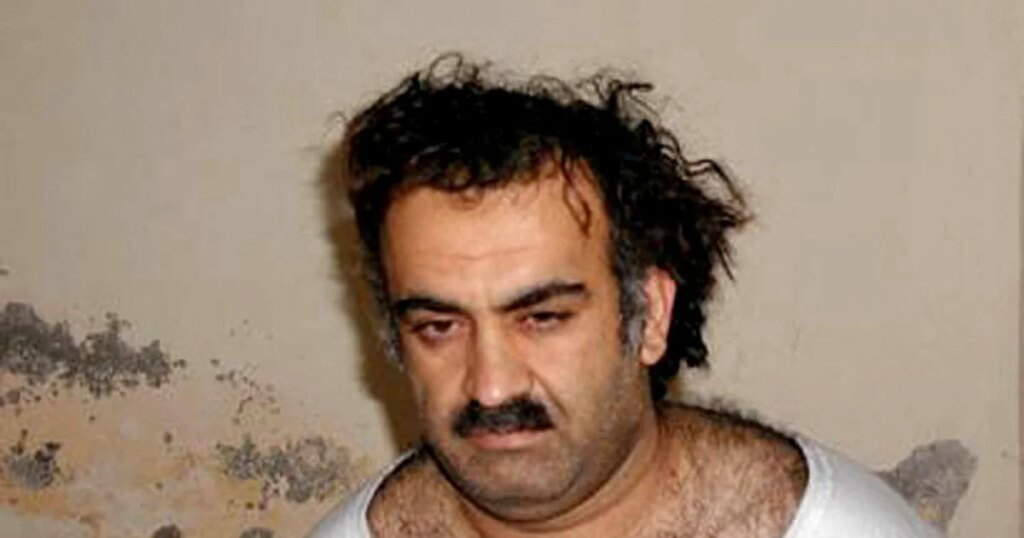
In a significant legal development, a military judge has ruled to dismiss the confession of Khalid Sheikh Mohammed, the alleged mastermind behind the September 11 attacks, on the grounds that it was not given voluntarily. This ruling presents a critical setback for the federal government in its long-standing effort to prosecute Mohammed, who is currently being held at Guantanamo Bay, Cuba, alongside several other defendants. The upcoming trial, which is scheduled for June 2028, raises questions about the implications of this decision for national security and the judicial process surrounding terrorism.
| Article Subheadings |
|---|
| 1) Overview of the Confession Dismissal |
| 2) Background of Khalid Sheikh Mohammed |
| 3) Details of the Military Judge’s Ruling |
| 4) Reactions from Legal Experts |
| 5) Implications for Future Trials |
Overview of the Confession Dismissal
The military judge’s ruling came after a thorough examination of how the FBI handled the interrogation of Khalid Sheikh Mohammed in January 2007 at Guantanamo Bay. The judge determined that the confession obtained during this period was not voluntary due to the coercive tactics previously used by the CIA, which included waterboarding. This ruling has far-reaching consequences for the prosecution’s case against Mohammed, who is alleged to have orchestrated the September 11 attacks that claimed nearly 3,000 lives in 2001.
Background of Khalid Sheikh Mohammed
Born in Kuwait, Khalid Sheikh Mohammed has been labeled one of the most notorious figures in the global landscape of terrorism. He was captured in 2003 and subsequently transferred to a secret CIA detention facility, where he faced harsh interrogation techniques. These experiences have informed his legal battles, as his treatment has raised crucial questions about the admissibility of evidence obtained under coercive conditions. His alleged role in planning the September 11 attacks has made him a central figure in the broader discourse on terrorism and national security.
Details of the Military Judge’s Ruling
Lt. Col. Michael Schrama, the military judge assigned to the case, ruled that the confession Mohammed delivered to the FBI was tainted by the fears instilled in him during his earlier detainment and interrogation by the CIA. According to court documents, Mohammed was not apprised of his rights to remain silent and was misled regarding the possibility of legal counsel. These violations contributed to the perception that his confession was not freely given, leading to the court’s decision to exclude such statements from the upcoming trial.
Reactions from Legal Experts
The legal community has responded with a mix of support and concern regarding the implications of this ruling. Retired FBI agent Frank Pellegrino, who interviewed Mohammed, argued that the confession was ultimately voluntary and challenged the judge’s conclusions. Other legal experts have expressed concern that this decision could set a precedent that impacts future cases involving terrorism and national security. The prosecution team, led by Rear Adm. Aaron C. Rugh, has indicated that they are considering an appeal of this ruling, suggesting potential ongoing legal battles.
Implications for Future Trials
The dismissal of Mohammed’s confession raises critical questions about the future of military commissions and the prosecution of terrorism-related cases in the United States. If appeals go through and the ruling is upheld, it could hinder the government’s ability to present crucial evidence in similar cases in the future. Furthermore, the broader implications of this decision might undermine public confidence in the legal processes surrounding national security and counter-terrorism efforts. The trial for Mohammed and other defendants scheduled in June 2028 will be closely watched, with both legal and public interest at peak levels.
| No. | Key Points |
|---|---|
| 1 | Khalid Sheikh Mohammed’s confession was dismissed by a military judge due to it being deemed involuntary. |
| 2 | The judge cited coercive interrogation techniques used by the CIA during Mohammed’s detention. |
| 3 | Legal experts are divided on the implications of the court’s decision for future terrorism cases. |
| 4 | The ruling presents a setback for the federal government’s long-delayed prosecution of Mohammed. |
| 5 | The trial is set for June 2028, and the government is contemplating an appeal of the ruling. |
Summary
The dismissal of Khalid Sheikh Mohammed‘s confession has significant implications for the U.S. legal system, particularly in cases relating to national security and terrorism. As legal proceedings move forward, the outcome will determine how evidence is weighted in future cases against terror suspects. The judicial process surrounding Mohammed’s trial will be crucial not only for ensuring justice for the September 11 victims but also for shaping the future handling of similar cases.
Frequently Asked Questions
Question: What led to the dismissal of Khalid Sheikh Mohammed’s confession?
The dismissal resulted from the military judge’s finding that the confession was not voluntary due to prior coercive interrogation techniques employed by the CIA, including waterboarding and intimidation tactics.
Question: What are the potential consequences for Mohammed now that his confession has been dismissed?
The dismissal of his confession could complicate the government’s prosecution efforts, potentially leading to a weaker case against him and prolonging the judicial process.
Question: When is Khalid Sheikh Mohammed’s trial scheduled to take place?
The trial is currently scheduled for June 2028, following the recent court decision regarding the dismissal of his confession.