
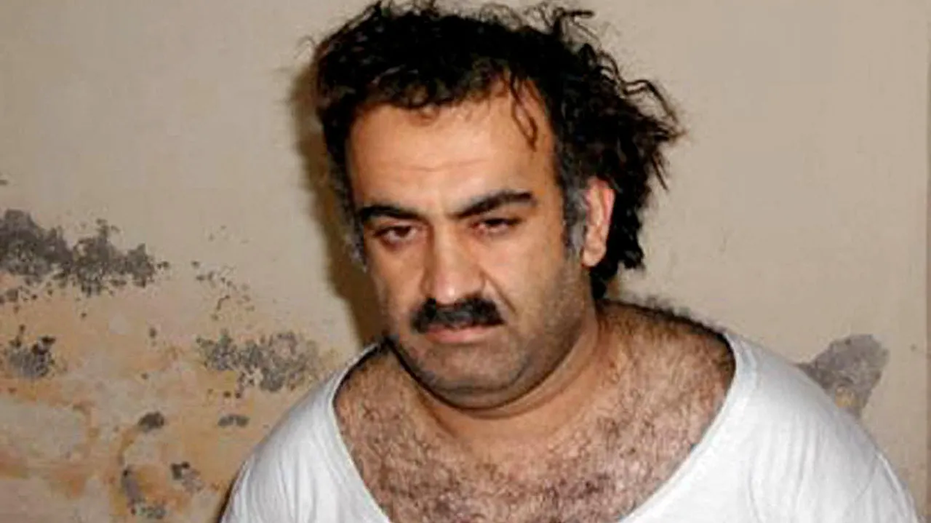
A military judge has excluded statements that Khalid Sheikh Mohammed made to investigators in 2007, ruling that the alleged 9/11 mastermind did not provide them voluntarily. The decision removes a significant piece of evidence from the prosecution’s case and adds another complication to a proceeding delayed for decades. The judge has set June 2028 as the trial date for Mohammed and three co-defendants at the U.S. military base at Guantanamo Bay, Cuba. The ruling comes as the case continues to face disputes over evidence, plea agreements and pretrial litigation.
| 1) | Judge excludes 2007 statements |
|---|---|
| 2) | Trial date set for June 2028 |
| 3) | Case faces further procedural delays |
| 4) | Earlier plea agreements were withdrawn |
| 5) | Families remain central to the proceedings |
Judge excludes 2007 statements
Military judge Lt. Col. Michael Schrama ruled Friday that statements made by Khalid Sheikh Mohammed to investigators in 2007 were not voluntary. The ruling excludes those confessions from the case against Mohammed, who is accused of masterminding the September 11, 2001, terrorist attacks. The decision was not initially made public, but people familiar with its contents disclosed its effect. It directly addresses whether evidence obtained during the long-running investigation can be used at trial.
Trial date set for June 2028
Earlier in the week, Schrama scheduled a June 2028 trial for Mohammed and three co-defendants: Walid Muhammad Salih Mubarak bin ‘Atash, Mustafa Ahmed Adam al Hawsawi and Ali Abdul Aziz Ali. The defendants are being held at the U.S. military base at Guantanamo Bay, Cuba. The date was set days before the 25th anniversary of the attacks, which killed nearly 3,000 people. Prosecutors had sought a January 2027 start, but the judge rejected that request.
Case faces further procedural delays
Schrama said a January 2027 trial would leave too little time to resolve pretrial evidentiary disputes and compliance motions. The exclusion of Mohammed’s statements could require prosecutors to reassess how they will present the case and may generate additional litigation. The proceedings have already been marked by postponements and unsuccessful efforts to move the defendants toward a final resolution. The latest ruling therefore threatens to extend a legal process that has continued for decades without a trial.
Earlier plea agreements were withdrawn
In 2024, Mohammed, bin ‘Atash and al Hawsawi agreed to acknowledge their roles in the attacks in exchange for life sentences and protection from the death penalty. The agreement also required the men to answer questions from victims’ families. The Biden administration later withdrew the deal after criticism from some families, leading to further litigation. The breakdown of the agreement returned the case to contested pretrial proceedings and left the death penalty issue unresolved.
Families remain central to the proceedings
The attacks and the extended legal process continue to affect the families of those killed. Some relatives criticized the proposed plea agreements, while an advocacy group representing 9/11 families declined to comment on the latest ruling. The planned proceedings are expected to involve continued arguments over evidence, the defendants’ statements and the conditions of any eventual resolution. The judge’s timetable reflects the court’s effort to complete those matters before a trial begins.
| Number | Key Point |
|---|---|
| 1 | The judge ruled that Mohammed’s 2007 statements were involuntary. |
| 2 | The trial for four defendants is scheduled for June 2028. |
| 3 | A proposed January 2027 trial was rejected because of pending motions. |
| 4 | A 2024 plea agreement was withdrawn after criticism from victims’ families. |
Summary
The ruling removes Mohammed’s 2007 confessions from the prosecution’s evidence and adds uncertainty to an already protracted case. With trial scheduled for June 2028, prosecutors and defense attorneys must continue litigating evidentiary and procedural issues. The fate of the case remains tied to those disputes and to the unresolved consequences of the withdrawn plea agreements.
Frequently Asked Questions
What did the judge rule?
Lt. Col. Michael Schrama ruled that statements Khalid Sheikh Mohammed made to investigators in 2007 were not voluntary and excluded them from the case.
When is the trial scheduled?
The trial for Mohammed and three co-defendants is scheduled to begin in June 2028 at the Guantanamo Bay military base.
Why was the earlier plea agreement withdrawn?
The 2024 agreement drew criticism from some victims’ families, and the Biden administration later withdrew it, prompting additional litigation.