
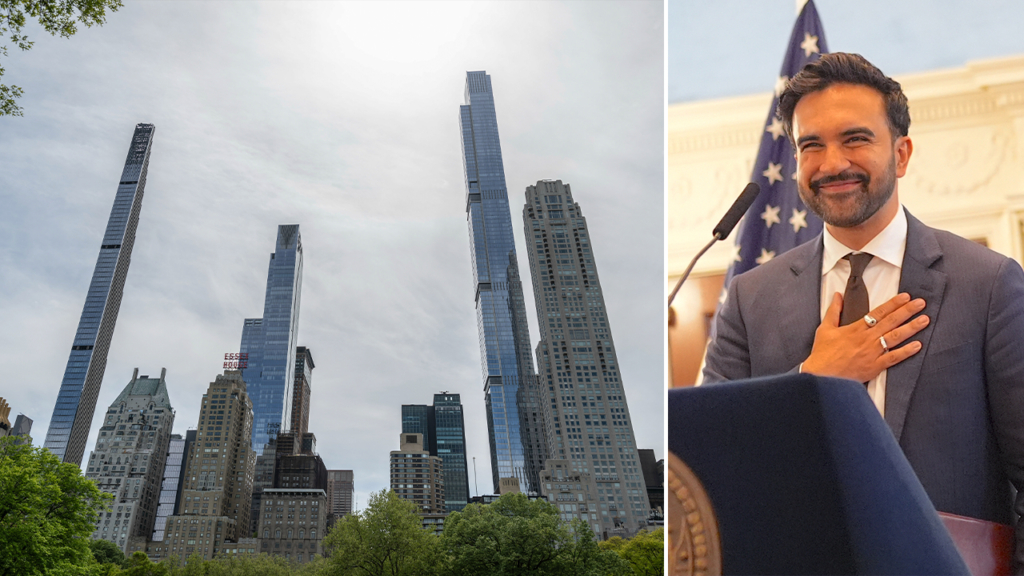
A New York judge has temporarily halted the implementation of a new tax on luxury second homes, affecting City Hall’s efforts to roll out a surcharge targeting properties valued at over $5 million. The ruling came in response to criticisms of the tax’s rollout, particularly regarding the list of over 900,000 property owners that was publicly disclosed. Legal representatives argue that the city failed to properly assess properties before sending notifications that left many homeowners confused and concerned about their tax obligations.
| Article Subheadings |
|---|
| 1) Judge’s Ruling on the Luxury Home Tax |
| 2) Legal Arguments Against the Rollout |
| 3) Public and Political Reactions |
| 4) Implications for NYC Homeowners |
| 5) Next Steps for the Mamdani Administration |
Judge’s Ruling on the Luxury Home Tax
On Monday, Judge Wayne Ozzi issued a temporary restraining order against the Mamdani administration, effectively blocking the city from proceeding with its controversial luxury second home tax. This order was prompted by concerns over due process, as it revealed serious failings in how the city communicated and processed tax obligations. The judge’s ruling prevents officials from imposing, assessing, or collecting the surcharge until individualized determinations have been made and proper notices are given according to state law.
The court’s intervention underscores the complexities surrounding the implementation of new tax policies, especially those that target affluent property owners. As mentioned in the court proceedings, the disclosure of a comprehensive list of homeowners—including their names, addresses, and property values—has led to intense scrutiny and backlash from the public. Judge Ozzi indicated that the city had not conducted adequate due diligence, thereby exposing homeowners to potential financial penalties without sufficient justification.
Legal Arguments Against the Rollout
During the court hearings, attorney Randy Mastro criticized the Mamdani administration for what he described as a botched implementation of the new tax. He argued that the city should have first determined whether the properties truly qualified as non-primary residences before sending out notices that put the burden on homeowners to prove their residency status. Mastro emphasized that the flawed rollout had thrown many homeowners into turmoil, requiring them to scramble for evidence that their homes were their primary residences.
Mastro contended that the city failed to utilize existing data that could have clarified the ownership status of properties before publishing the vast supplemental property roll. He remarked, “The city screwed this up… got it wrong… stop the train and make them do it over,” indicating the need for a comprehensive reevaluation of the methodology used to identify liable properties. By failing to conduct adequate vetting, the administration not only created widespread confusion but potentially compromised the financial security of many New Yorkers.
Public and Political Reactions
Reactions to the judge’s decision have been mixed. While many homeowners have expressed relief at the temporary halt, some city officials view the ruling as an impediment to crucial revenue generation that could support city services. Supporters of the new tax argue that it is designed to ensure that wealthy property owners contribute their fair share to the city. Matt Rauschenbach, a spokesperson for Mayor Mamdani, stated, “This surcharge asks those who own second homes valued at $5 million or more to contribute their fair share to the city they benefit from.”
Despite opposition from some quarters, many progressives highlight the importance of securing equitable tax revenues, particularly as the city grapples with a range of socio-economic issues exacerbated by the pandemic. However, criticisms persist that the administration’s approach to the tax rollout was inadequately planned, sparking fears that affluent individuals may leave the city rather than comply with new financial obligations.
Implications for NYC Homeowners
The landscape for New York City homeowners is slowly shifting as a result of the legal battle surrounding the pied-à-terre tax. The ruling has implications for approximately 17,000 homeowners across a city with a population of 8.5 million. Homeowners are now at a crossroads, having been caught off guard by what many perceived as unclear communication from the city regarding tax liabilities.
For property owners who may have unwittingly been categorized as subject to the surcharge, the ruling offers both respite and uncertainty. Mastro’s statements in court made it clear that the city’s previous communications were perceived as threatening by residents. As homeowners navigate this complicated tax landscape, the potential for financial repercussions looms, igniting discussions around the fairness of such a tax in a city already fraught with economic disparities.
Next Steps for the Mamdani Administration
In response to the court’s ruling, the Mamdani administration plans to appeal the decision while maintaining its commitment to implementing the tax. Rauschenbach confirmed that the Law Department would file an appeal, stating that they believe the surcharge remains legally valid and necessary for the city’s financial health. As the legal proceedings unfold, the administration faces increasing pressure to clarify its measures and address the criticisms leveled at the rollout.
As the city prepares for next steps, the administration has until August 31 to present their case, and the outcome of the appeal process could dictate not only the future of the luxury home tax but also how New York City navigates similar fiscal policies in the future. The political stakes are high, as City Hall aims to balance the demands of revenue generation with the protection of resident rights and public perception, particularly as they face ongoing scrutiny over more progressive tax strategies.
| No. | Key Points |
|---|---|
| 1 | A judge has temporarily blocked NYC’s luxury second home tax. |
| 2 | The rollout faced criticism for failing to assess properties adequately. |
| 3 | Homeowners expressed confusion and alarm at the city’s communications. |
| 4 | City officials are keen to continue enforcing tax measures for revenue purposes. |
| 5 | The legal battle will influence future tax policy in NYC. |
Summary
The temporary restraining order against New York City’s luxury second home tax highlights the critical need for transparency and due diligence in the implementation of fiscal policies. As homeowners grapple with the fallout from the court’s decision, the Mamdani administration must navigate public sentiment while preparing for an immediate appeal. The outcome of this legal situation will not only impact the financial obligations of affluent property owners but also set a precedent for how the city approaches similar tax initiatives in the future.
Frequently Asked Questions
Question: What is the luxury second home tax in NYC?
The luxury second home tax targets properties valued at over $5 million, requiring owners to pay a surcharge to contribute to city revenue.
Question: Why was the implementation of the tax halted?
A judge issued a restraining order due to insufficient procedures being followed in notifying homeowners and assessing properties.
Question: What are the implications for affected homeowners?
Homeowners may face confusion regarding their tax obligations and financial repercussions as the legal situation unfolds, particularly if their properties were incorrectly categorized.