
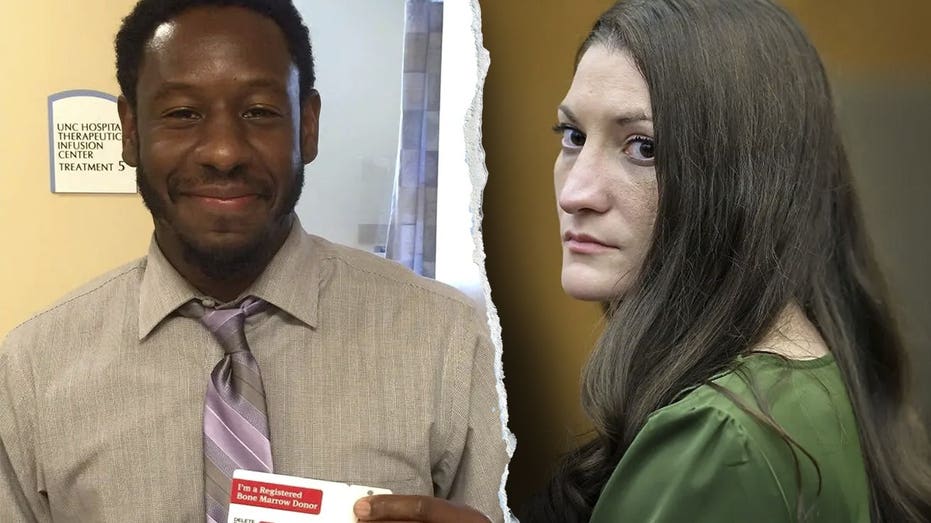
Lindsay Clancy’s lone holdout juror will not have his phone examined or face an evidentiary inquiry, a Massachusetts judge ruled Wednesday. Judge William Sullivan rejected a defense motion seeking further investigation into the juror’s conduct and questionnaire responses. The decision follows an 11-1 deadlock that ended the trial in a mistrial. Kevin Reddington, Clancy’s attorney, had argued that records involving the juror could provide grounds for challenging the mistrial.
| Article Subheadings | |
|---|---|
| 1) | Judge blocks phone examination |
| 2) | Why the evidentiary hearing was denied |
| 3) | Juror’s position in the mistrial |
| 4) | Defense requests for jury records |
| 5) | Next steps in the case |
Judge blocks phone examination
Judge William Sullivan ruled on Wednesday, October 22, 2026, that the holdout juror, identified in court documents as Juror Doe and understood to be Michael Desronvil, would not be subjected to a phone examination. The defense had sought records from the juror’s device for the hours of 8:30 a.m. to 4:30 p.m. on each day of deliberations. The request focused on whether the juror used a cellphone improperly while the panel was considering the case.
The ruling applies to the specific inquiry requested by the defense. It does not alter the fact that the jury failed to reach a unanimous verdict after nearly 40 hours of deliberations, resulting in a mistrial in the Plymouth, Massachusetts, trial.
Why the evidentiary hearing was denied
The judge said the information potentially affecting the juror’s impartiality became known only after the mistrial had already been declared. The concerns originated in media reports rather than an issue raised before the mistrial, and the defense did not previously argue that the juror had lied on his questionnaire or improperly used his phone.
Sullivan concluded that post-trial information could not be used to challenge the finding that a mistrial was necessary. He also emphasized that courts generally may not investigate a juror’s private reasoning, view of the evidence, or deliberative process after a verdict-related proceeding has concluded.
Because post-trial information potentially affecting Juror Doe’s impartiality cannot be used to attack the determination that a mistrial was manifestly necessary, Clancy is not entitled to an evidentiary hearing on that issue.
Juror’s position in the mistrial
Michael Desronvil was the only juror who favored convicting Lindsay Clancy of murder in connection with the strangling deaths of her three children. The other 11 jurors supported a finding that she was not criminally responsible because of postpartum psychosis, according to the account presented in court and afterward.
In a recent interview, Desronvil said he continued to stand by his decision and rejected accusations that he ignored reasonable doubts. He also denied lying on his questionnaire. He said the jurors used their phones only during breaks, not while deliberations were underway.
Everybody had their cellphones and our cell phone was used when we had a break. So not during deliberation.
Desronvil has referred to the children as “The Three Angels.” They were Cora Clancy, 5, Dawson Clancy, 3, and Callan Clancy, 8 months, who were killed at the family’s Duxbury, Massachusetts, home in January 2023.
Defense requests for jury records
Kevin Reddington has asked the court to preserve records involving all 12 jurors and six alternate jurors. The requested materials include juror questionnaires, surveillance video from a courthouse hallway outside the deliberation room, and cellphone sign-in sheets.
The defense’s more targeted request concerned Desronvil’s phone and sought to determine whether activity during deliberation hours contradicted his account. Sullivan’s order prevents that specific phone examination and bars the requested inquiry into the juror’s subjective deliberative conduct.
Next steps in the case
Lindsay Clancy is scheduled to return to court on November 2, 2026. The judge’s decision leaves the mistrial intact and does not resolve the underlying criminal allegations. It instead addresses whether the defense may investigate the holdout juror after the jury failed to reach a verdict.
The ruling also reinforces the court’s limit on post-mistrial inquiries into jury deliberations. Any future proceedings will continue against the background of the unresolved charges and the disagreement that divided the panel eleven to one.
| Number | Key Point |
|---|---|
| 1 | The judge denied the defense request for an evidentiary hearing. |
| 2 | The holdout juror will not have his phone examined. |
| 3 | The 11-1 disagreement produced a mistrial, with a court appearance set for November 2. |
Summary
The ruling prevents further examination of the holdout juror’s phone and rejects a defense effort to investigate alleged questionnaire and cellphone issues after the mistrial. Judge Sullivan said the concerns surfaced too late and that the court could not intrude into the jury’s deliberative process. The case remains unresolved ahead of Lindsay Clancy’s scheduled November 2 court appearance.
Frequently Asked Questions
Why did the jury reach a mistrial?
The jury could not reach a unanimous decision after nearly 40 hours of deliberations. Eleven jurors favored a finding that Lindsay Clancy was not criminally responsible, while Michael Desronvil favored conviction.
What did the defense want to examine?
The defense sought an examination of Desronvil’s phone activity during deliberation hours and requested preservation of records involving the full jury panel and alternates.
What happens next?
The mistrial remains in place, and Lindsay Clancy is scheduled to return to court on November 2, 2026. The judge’s ruling does not resolve the underlying criminal case.