
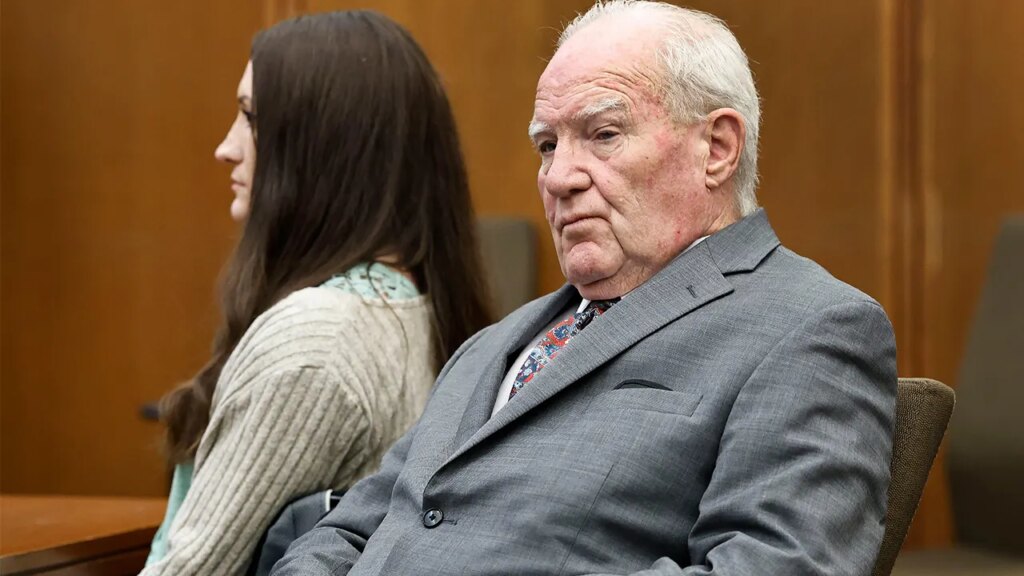
The murder trial of Lindsay Clancy has captivated public attention as jurors approach their sixth day of deliberations after failing to reach a unanimous verdict twice. Charged with the tragic deaths of her three children, Clancy’s case has drawn comparisons to that of another defendant, Karen Read, both of whom are professional women facing severe criminal charges with public scrutiny. With intense media coverage and conflicting opinions from legal experts, the deliberations have become a complex narrative that interweaves justice, mental health, and societal expectations.
| Article Subheadings |
|---|
| 1) Overview of the Charges Against Lindsay Clancy |
| 2) The Role of the Defense Attorney |
| 3) Historical Context of Similar Cases |
| 4) Reactions from Legal Experts and Public |
| 5) Next Steps in the Trial Process |
Overview of the Charges Against Lindsay Clancy
Late in January 2023, police were summoned to the home of Lindsay Clancy in Duxbury, Massachusetts, only to discover an unthinkable tragedy. Clancy is charged with three counts of murder in the deaths of her children: Cora, aged 5; Dawson, aged 3; and Callan, who was merely 8 months old at the time. Following her arrest, Clancy’s case has unfolded in the public eye, heavily laden with emotion and horror.
The prosecution is tasked with demonstrating that Clancy’s actions amounted to murder, which could result in either first- or second-degree murder charges or manslaughter if jurors decide that the circumstances warrant a lesser charge. Clancy has invoked an insanity defense, leading to complex deliberations regarding her mental state at the time of the incidents.
Given the severity of the charges, the roots of this tragedy, and the fraught emotional landscape surrounding the case, many have been engaged in understanding how the justice system will respond to such distressing facts. Additionally, the possibility of a not criminally responsible verdict hinged on her defense has kept the court and the public in suspense.
The Role of the Defense Attorney
The defense attorney representing Lindsay Clancy, Kevin Reddington, has faced an uphill battle throughout the trial. As jurors entered their sixth day of deliberations, Reddington expressed confidence in his presentation but was acutely aware of the stress that comes with having someone’s fate in the jury’s hands. He has worked to navigate the complexities of an emotional case while countering the prosecution’s lengthy narrative of grief and tragedy.
Reddington’s dedication was acknowledged by former defense attorney David Yannetti, who has pointed out the significant burden placed on attorneys during such trials. “It immediately brings back the stress and the pressure that comes from having somebody’s life in your hands,” Yannetti noted about the moments leading up to jurors making a decision. Reddington’s strategy has included focusing on unveiling the nuances of Clancy’s mental health, emphasizing the times of her mental instability when the alleged events transpired.
Despite the heavy odds against him, Reddington has aimed to highlight Clancy’s humanity, inviting jurors to ponder over factors beyond the surface of the courtroom display. The pivotal role of a defense attorney emerges as critical, especially in scenarios where elements of mental health and emotional distress intertwine with legal culpability.
Historical Context of Similar Cases
The Clancy case stands in contrast to other high-profile trials, such as that of Karen Read, which further complicates societal perceptions of women accused of heinous acts. Read was acquitted after two trials revolving around the death of a man, illustrating the differing but often similar dynamics at play amid public sentiment and juror deliberations.
Legal experts compare the two cases, noting that they both entail professional women with no prior criminal records facing grave accusations. As both cases progress, many draw parallels between the societal expectations of women and the judgment they face in legal scenarios. The unique burden that women may carry under public scrutiny becomes a theme, posing questions about how gender influences the judicial process.
As these cases unfold, they serve to highlight issues of mental health within high-pressure legal situations and the complexities of navigating accusatory narratives where mental health is in question. The hope for a fair trial remains vital in these larger conversations, with each case offering insight into society’s understanding of female defendants.
Reactions from Legal Experts and Public
The public and legal communities have closely monitored the trial and the corresponding deliberations of the jury. Responses from judges, such as Judge William Sullivan, emphasize the importance of the jury’s burden of proof, reiterating the necessity of reaching a verdict based on “beyond a reasonable doubt.” Opinions from retired judges have surfaced, suggesting that the complexity of jury dynamics may add further layers to reaching a verdict.
With the prevalence of social media, discussions have flourished beyond the courtroom. Numerous online platforms, particularly forums and TikTok channels, have engaged in deep-diving into the details of the case, shaping public perceptions and dialogues around Clancy’s mental health narrative and the implications of maternal roles. Some commentators have framed the prosecution as “tone-deaf,” regarding the sensitivity required in such emotional trials.
As jury deliberations drag into their sixth day, speculation runs rampant. Advocates conclude that if jurors are unable to agree on a verdict, alternatives could lead to further delays and possibly retrials. The societal appetite for justice is high, but equally pressing is the understanding of mental anguish and the potential for asymmetric outcomes. Public sentiment swings, oscillating between the cries for justice and the harsh realities surrounding mental health struggles.
Next Steps in the Trial Process
Following lengthy deliberations, the jury returned to the courtroom under the watchful eye of the legal community. Discussions of next steps now flood legal platforms and news cycles. Should the jury come to an impasse, Judge Sullivan has the authority to declare a mistrial, potentially leading to retrials and further media spectacles.
The complexities of this case raise significant implications for future cases involving individuals experiencing mental health crises. Experts stress that the outcomes can have long-term effects on the legal framework surrounding mental illness and criminal behavior, potentially influencing legislative change. Observers have noted that the handling of the Clancy case might set a precedent for similar future cases.
As the proceedings continue, it is critical for the legal system to adapt, taking into account the evolving conversation around mental health and societal expectations. Regardless of the eventual verdict, the ongoing dialogue will persist, underscoring the intersections of gender, mental health, and justice as they transform within legal institutions.
| No. | Key Points |
|---|---|
| 1 | Lindsay Clancy faces three counts of murder for the deaths of her children. |
| 2 | Defense attorney Kevin Reddington has emphasized Clancy’s mental health as a crucial element of the case. |
| 3 | Historical comparisons have been made to similar high-profile cases, particularly involving women. |
| 4 | Legal experts and the public are closely watching jury deliberations, indicating widespread societal interest. |
| 5 | Next steps could lead to potential mistrials or retrials depending on the jury’s verdict. |
Summary
As the Lindsay Clancy trial continues to draw extensive public scrutiny, the implications surrounding mental health and justice are undergoing significant examination. The evolving narrative emphasizes the difficult balance between legal culpability and societal understanding of mental crises. With jurors struggling to reach a verdict, the call for justice sits amid ongoing debates on societal expectations and legal processes that may shape the future of such cases.
Frequently Asked Questions
Question: What are the charges against Lindsay Clancy?
Lindsay Clancy is charged with three counts of murder for allegedly killing her three young children in their home in January 2023.
Question: What defense has Lindsay Clancy presented?
Clancy’s defense centers on the claim of insanity, arguing that her mental health challenges during the time of the tragic events impact her culpability.
Question: How has public opinion influenced this case?
The public has shown intense interest in the case, particularly regarding issues of gender, mental health, and the societal expectations placed upon women, which has sparked extensive media coverage and online discussion.