
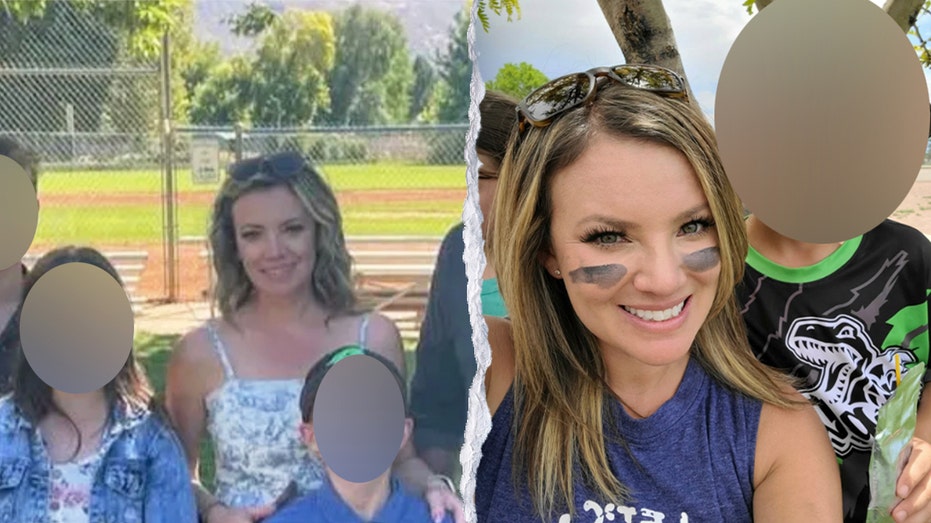
Britagne Miller, a Kansas mother of four, is recovering at home after a suspected spider bite led to surgery, serious infections and an extended hospital stay. Miller said several spiders crawled on her while she was sitting with her family around a campfire at Cheney Lake on May 28. Her condition was complicated by blood-clotting disorders, liver problems and medication allergies, and doctors later diagnosed end-stage liver failure. She was discharged on July 11 but continues to need home health care, physical therapy and specialist appointments.
| 1) | Campfire encounter at Cheney Lake |
| 2) | Pain and swelling prompt medical care |
| 3) | Hospital treatment and serious complications |
| 4) | Recovery at home and transplant hopes |
| 5) | Spider identification remains unconfirmed |
Campfire encounter at Cheney Lake
Britagne Miller of Goddard, Kansas, was spending time with her husband, Jake Miller, and their children at Cheney Lake on May 28 when she said several spiders crawled on her and apparently bit her. Goddard is about 14 miles west of Wichita. The specific circumstances of the bites and the identity of the spider have not been confirmed by doctors.
Miller later described the incident as the beginning of a rapidly worsening medical problem. The family initially believed the bites had caused localized injuries, but the symptoms intensified over the following days.
Pain and swelling prompt medical care
Four days after the campfire outing, the area around one bite on Miller’s calf became increasingly swollen and painful. She sought medical attention after the discomfort began extending down her leg toward her foot.
“This one kept swelling and swelling, and it was like, you know, a fire stir that’s metal. It was like shooting down my leg into my foot, and it felt like it was being stabbed,” Miller said.
The progression of swelling and severe pain led to hospital treatment. The reported symptoms were associated with the suspected bite, although no medical confirmation has identified the spider responsible.
Hospital treatment and serious complications
Miller was admitted to Wesley Hospital in Wichita on June 4 and underwent surgery. Her treatment was made more difficult by existing blood-clotting disorders, liver problems and allergies to some medications. She later developed infections during her hospitalization.
Doctors also determined that Miller had end-stage liver failure and warned her family that her condition could be fatal. She chose to continue treatment rather than enter hospice care. Miller said she remembers little of her time in intensive care, reflecting the severity and length of her illness.
Recovery at home and transplant hopes
Miller was released from the hospital on July 11 and is continuing her recovery at home. She now requires home health care, physical therapy and regular visits with specialists as she rebuilds her strength and manages the effects of the hospitalization.
She also hopes to receive a liver transplant. However, she is not yet eligible to be placed on the transplant list. A fundraising appeal organized by Jake Miller said the family expects a long recovery while remaining hopeful that she can return to the activities she values, including caring for her children.
Spider identification remains unconfirmed
Doctors have not confirmed which spider, if any, caused Miller’s injuries. Raymond Cloyd, a horticultural entomologist at Kansas State University, said the brown recluse and black widow are among the venomous spiders commonly found in Kansas.
Cloyd advised residents to seal cracks and use caution when handling boxes, shoes and other items that have remained undisturbed. Those precautions can reduce the chance of unexpected contact, but they do not establish what caused Miller’s medical complications.
| Number | Key Point |
|---|---|
| 1 | Miller said spiders crawled on her and apparently bit her at Cheney Lake on May 28. |
| 2 | She was hospitalized on June 4 and underwent surgery after swelling and severe pain developed. |
| 3 | Her complications included infections and end-stage liver failure. |
| 4 | She was discharged July 11 and continues treatment at home. |
Summary
Miller’s case underscores the uncertainty that can follow a suspected spider bite when the species is not identified and a patient has serious underlying health conditions. Her recovery remains ongoing, with home-based care and specialist monitoring required. Medical professionals have not confirmed that a particular spider caused the full range of complications, and the family continues to hope for improved health and future transplant eligibility.
Frequently Asked Questions
When did the suspected bites occur?
Miller said the suspected bites occurred on May 28 while she was with her family around a campfire at Cheney Lake in Kansas.
How long was Miller hospitalized?
She was admitted on June 4 and released on July 11, after surgery, infections and treatment for other serious complications.
Has the spider been identified?
No. Doctors have not confirmed what type of spider was involved. Brown recluse and black widow spiders are among the venomous species commonly found in Kansas.