
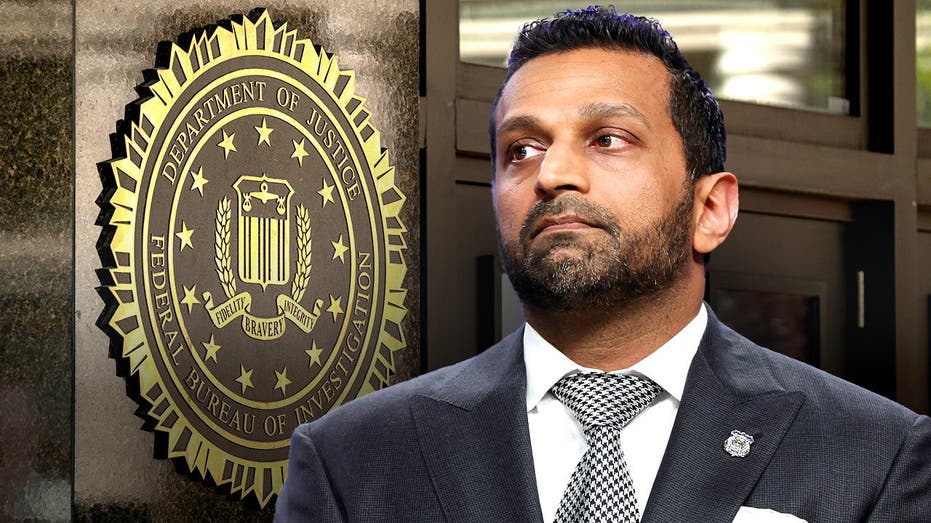
Kash Patel defended the FBI’s Most Wanted fugitive statistics after reports questioned whether some suspects were added shortly before their arrests. The FBI director said career personnel, rather than political leaders, manage the list and select targets based on investigative priorities. Patel also highlighted Operation Summer Heat 2.0, a nationwide enforcement effort that produced more than 8,900 arrests and sharp increases in weapons and fentanyl seizures. He attributed the results to a permanent shift toward field-based policing and expanded coordination with local authorities.
| 1) | Patel rejects claims of manipulation in the Most Wanted list |
| 2) | Summer Heat 2.0 records thousands of arrests |
| 3) | Weapons and fentanyl seizures rise sharply |
| 4) | FBI shifts personnel and resources into the field |
| 5) | Officials link the operation to broader crime reduction efforts |
Patel rejects claims of manipulation in the Most Wanted list
The dispute centers on the FBI’s announcement that all 10 members of its Most Wanted list had been apprehended during President Donald Trump‘s second term. Reports resurfaced alleging that the bureau had placed some fugitives on the list when their arrests were already imminent.
Patel rejected that characterization and said the list has been administered by career FBI staff for at least 75 years. He said those personnel determine which fugitives represent significant targets and which cases offer investigative opportunities, while political leadership does not control the selections.
“The career staff at the bureau manage that list. They look and say, ‘Who’s the target of opportunity? Who can we get? Who’s the worst perpetrator who’s been on the run?’ and then they announce it. I literally don’t have anything to do with it.”
Summer Heat 2.0 records thousands of arrests
Operation Summer Heat 2.0 was conducted from June through August as the second version of a nationwide federal enforcement initiative launched in 2025. FBI agents worked with local authorities in metropolitan areas to target violent offenders, street gangs, drug traffickers and related criminal networks.
Authorities reported more than 8,900 arrests during the 95-day operation. That total was 3% higher than the figure recorded during the previous summer’s initiative. Patel described the effort as a move away from temporary crime surges and toward sustained enforcement throughout the year.
Weapons and fentanyl seizures rise sharply
The operation produced 5,013 weapons seizures, a 120% increase compared with the prior year’s Summer Heat effort. Authorities also conducted 687 fentanyl seizures, representing a 63% increase, according to FBI figures.
Officials additionally reported identifying or locating more than 1,400 children, a 34% increase from the previous operation. The figures were presented as evidence that the expanded federal and local approach reached several areas of public safety beyond arrests alone.
FBI shifts personnel and resources into the field
Patel attributed the results to an organizational restructuring that moved nearly 2,000 FBI personnel to field offices around the country and reduced the bureau’s Washington-based bureaucracy. The reorganization was intended to place more agents, technology and operational resources closer to local crime problems.
He said the agency’s strategy is now field-centric and focused on proactive enforcement. The approach relies on interagency cooperation and a permanent presence in communities rather than short-term deployments that end when a particular operation concludes.
“You have to talk to the American people. You have to show up in the field, and you have to drive resources and permanently place people and technology in the field.”
Officials link the operation to broader crime reduction efforts
Patel said Summer Heat 2.0 expanded on the 2025 initiative by adding personnel and strengthening cooperation among federal, state and local agencies. He characterized the shift as moving from a defensive posture to an offensive effort against violent crime and threats to public safety.
He also cited a reported reduction of 1.1 million violent aggravated assaults, rapes, robberies and homicides nationwide during the previous year. Patel attributed that figure to the combined work of the federal government, the FBI and law enforcement partners, although the operation’s published results cover the June-through-August enforcement period.
| Number | Key Point |
|---|---|
| 1 | More than 8,900 arrests were reported during Summer Heat 2.0. |
| 2 | Authorities seized 5,013 weapons, up 120% from the prior operation. |
| 3 | Fentanyl seizures reached 687, a 63% increase. |
| 4 | Nearly 2,000 FBI personnel were relocated to field offices. |
| 5 | Patel said career staff, not political leaders, manage the Most Wanted list. |
Summary
Patel presented the FBI’s fugitive arrests and Summer Heat 2.0 results as evidence of a broader operational overhaul. The agency reported increased arrests, weapons seizures and fentanyl seizures after moving more personnel and resources into field offices. The Most Wanted list controversy remains focused on how fugitives are selected and timed for inclusion, while Patel maintains that career staff independently oversee the process.
Frequently Asked Questions
What was Operation Summer Heat 2.0?
It was a 95-day nationwide law enforcement operation conducted from June through August that targeted violent crime, street gangs, drug trafficking networks and other suspected criminals.
How many arrests and seizures were reported?
Authorities reported more than 8,900 arrests, 5,013 weapons seizures and 687 fentanyl seizures.
Who manages the FBI’s Most Wanted list?
Patel said career FBI personnel manage the list and decide which fugitives should be included, rather than political leadership.