
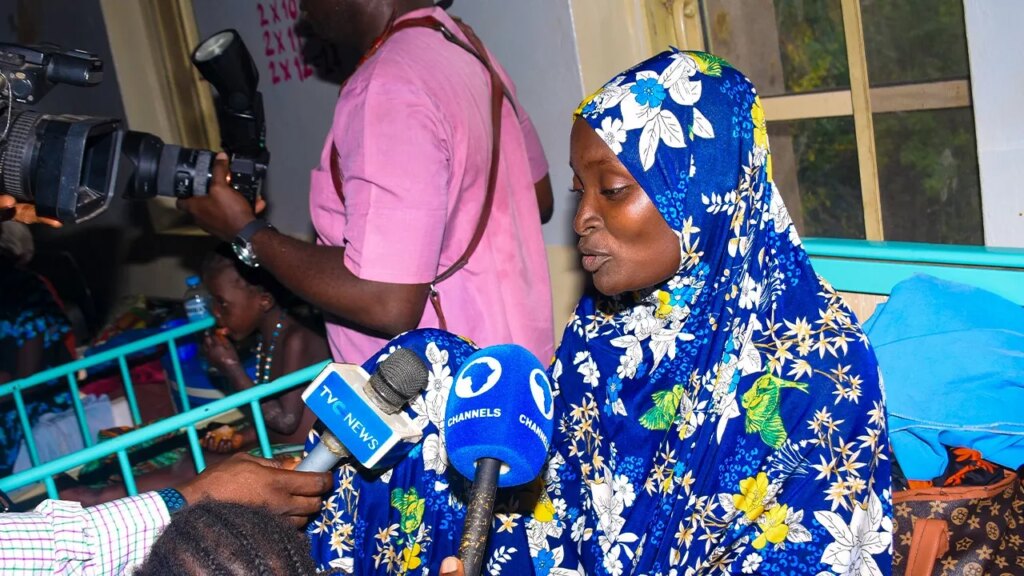
In a groundbreaking rescue operation, Nigerian forces successfully liberated over 300 hostages held by jihadi kidnappers. The operation is noted as the largest of its kind in Nigeria’s history, coming in the wake of a violent abduction in February that claimed numerous lives. Survivors of this harrowing ordeal recounted the unimaginable conditions they faced during their six months of captivity, emphasizing the brutality and fear they endured, as well as their prayers for freedom.
| Article Subheadings |
|---|
| 1) Overview of the Rescue Operation |
| 2) Testimonies from the Victims |
| 3) Challenges Faced During Captivity |
| 4) Reaction from Local Officials |
| 5) The Broader Context of Insecurity in Nigeria |
Overview of the Rescue Operation
Nigerian forces embarked on a significant rescue mission over the past week that resulted in the liberation of at least 308 individuals from the grip of militant kidnappers. This ambitious operation is being hailed as the largest rescue effort in Nigeria’s history, highlighting both the persistence and skill of the rescue teams involved. The majority of the freed victims were from the Woro community in Kwara State, where a violent raid occurred on February 3, leading to the abduction. It is reported that during this raid, the kidnappers brutally murdered around 160 individuals in the village, which underscores the gravity of the situation that the Nigerian forces were confronting.
Testimonies from the Victims
The moment of liberation has provided a platform for victims to recount their harrowing experiences. Among the voices is that of Hauwa Saliu, who articulated the fears and struggles she faced during her captivity. She communicated that the captors often interrogated the victims, asking whether they had accepted the ideology of jihad. This psychological manipulation was part of the captors’ strategy to instill fear and obedience. Victims like Amira Saliu, a nurse among the captives, shared her experience of helping women give birth in dire conditions, lacking any medical assistance. Her story exemplifies the physical and emotional toll inflicted on the captives.
Challenges Faced During Captivity
The testimonies reveal that life in captivity was marked by extreme hardship. Victims endured lengthy periods without food, often subsisting on meager rations that included only a fraction of what they needed for survival. Mary Ishaya, another victim, described days when food was scarce, leading to tragic scenarios where they had to bury fellow captives who succumbed to starvation or illness. Survivors shared that a significant part of their experience was a conscious awareness of the threat of death lurking in every moment, as they witnessed suffering on a daily basis.
Reaction from Local Officials
The governor of Kwara State, AbdulRahman AbdulRasaq, addressed the media shortly after the rescue, expressing his sorrow over the condition of the victims. The local health facilities are currently supporting the rescued individuals, with around 46 people receiving immediate medical attention. His comments reflect not only a commitment to the welfare of the victims but also the broader implications such incidents have on community security and stability. “This is indeed a very sad situation,” he remarked, highlighting the urgent needs that must be addressed as the community processes the impacts of the kidnapping.
The Broader Context of Insecurity in Nigeria
This incident underscores a significant trend in Nigeria concerning the ongoing violence perpetrated by militant groups, specifically those associated with Islamic extremism. Nigeria’s northern region has seen a surge in kidnappings, killings, and other forms of violence, exacerbating existing tensions between various religious and ethnic communities within the nation. Approximately 45% of Nigeria’s population identifies as Christian, creating a deep-seated religious and cultural divide that the insurgency has exploited. In light of recent events, the national and international community is examining how these incidents will shape future strategies in combating terrorism and protecting citizens.
| No. | Key Points |
|---|---|
| 1 | Nigerian forces rescued over 300 hostages in a large-scale operation. |
| 2 | Survivors described brutal conditions and psychological manipulation from captors. |
| 3 | Victims faced severe food shortages and witnessed the deaths of fellow captives. |
| 4 | Local officials express distress over the situation and the needs of the rescued individuals. |
| 5 | The incident highlights ongoing issues with militant groups in northern Nigeria. |
Summary
The recent rescue operation in Nigeria serves as both a beacon of hope and a stark reminder of the ongoing struggle against militant violence. The testimonies of the survivors illustrate the resilience of the human spirit amid unimaginable hardship. As Nigeria grapples with the implications of such incidents, it becomes evident that comprehensive strategies are needed to address both immediate humanitarian concerns and the underlying issues contributing to the rise of extremist groups. The international community’s attention to Nigeria’s challenges may foster a collaborative approach to addressing the multifaceted layers of insecurity.
Frequently Asked Questions
Question: What led to the mass kidnapping in Nigeria?
The mass kidnapping was orchestrated by jihadi militants who raided the Woro community in Kwara State, a violent attack that resulted in numerous fatalities and the abduction of hundreds of individuals.
Question: How did the Nigerian forces manage to rescue the victims?
Nigerian forces conducted a well-coordinated rescue operation that involved strategic planning and execution, culminating in the liberation of more than 300 hostages across multiple locations.
Question: What kind of support is being provided to the rescued victims?
Local health facilities are currently providing medical attention and support to the rescued individuals, with local officials addressing immediate health concerns and psychological support needs.